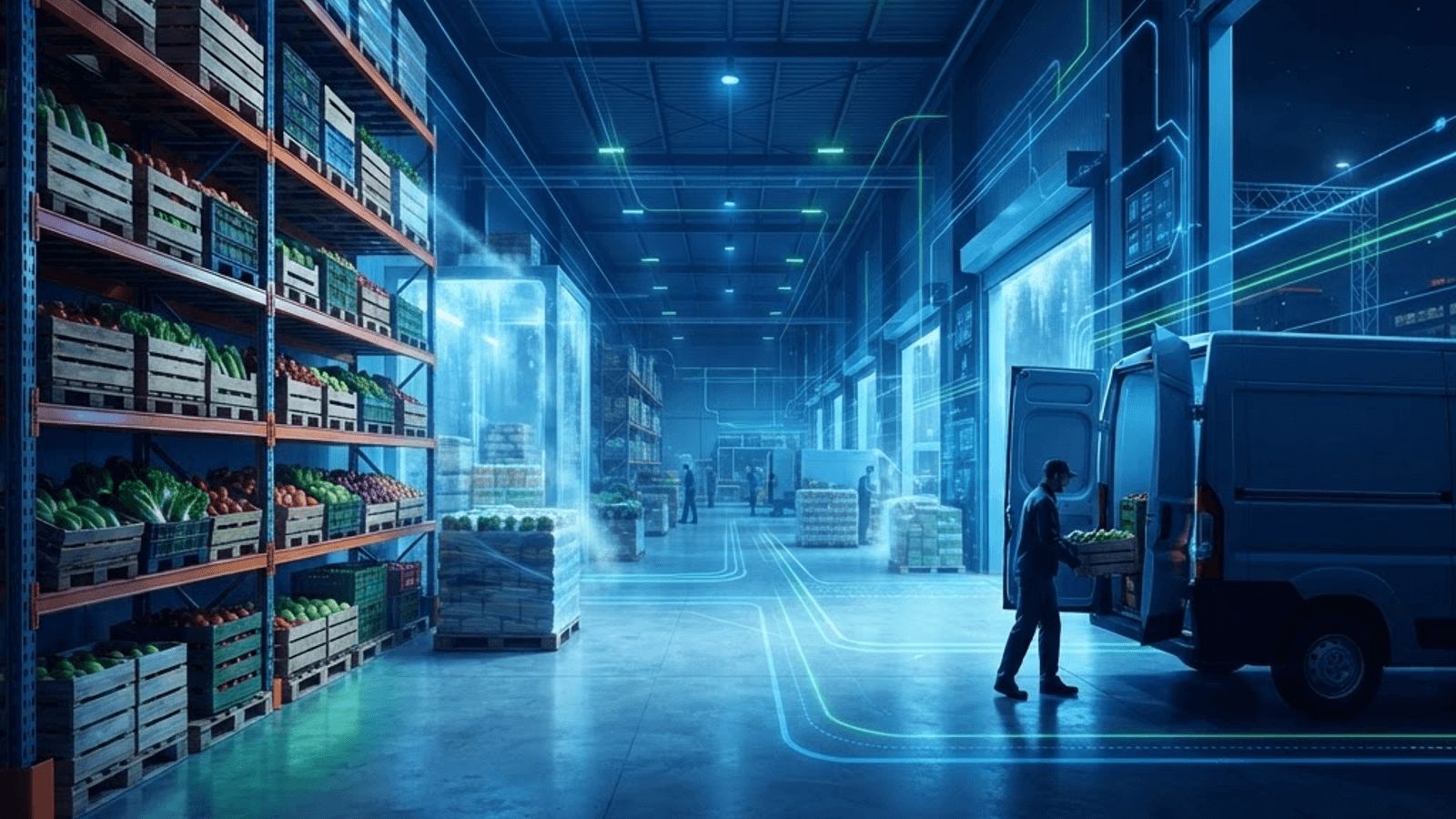
Norfolk Produce and the Broadland Wholesale Network
Broadland sits in the middle of one of the most productive agricultural regions in the United Kingdom. Cereals, sugar beet, potatoes, brassicas, soft fruit, poultry, pork and freshwater and coastal seafood are all produced within a short drive. Food wholesalers in the district are the mechanism that turns that abundance into something usable by a village pub, a school kitchen, a care home or a Broads holiday park.
The customer base is unusually varied for a rural district. Tourism along the Broads creates strong seasonal demand from pubs, restaurants, cafés and self-catering operators. Year-round demand comes from schools, care homes, hospitals and workplace canteens. Independent retailers, farm shops and delicatessens add a third strand, often seeking exactly the local provenance that national suppliers struggle to provide.
The Main Categories of Food Wholesaler
Broadline foodservice wholesalers are the workhorses of the sector, supplying ambient, chilled and frozen goods in a single delivery. Their appeal is convenience: one order, one invoice, one lorry. For a small kitchen with limited storage and no dedicated purchasing staff, that simplicity is worth a great deal.
Fresh produce wholesalers form the second category, handling fruit and vegetables with daily or near-daily delivery cycles. Many have direct relationships with Norfolk growers, which shortens the chain and improves shelf life noticeably compared with produce routed through distant regional depots.
Meat and poultry wholesalers operate the third segment. Butchery capability is the differentiator here, with the best suppliers cutting to a chef's specification, providing consistent portion control and carrying full traceability back to the farm. Norfolk's poultry and pork production gives local wholesalers a genuine provenance story.
Seafood wholesalers supply both coastal catch and freshwater species, along with imported lines. Cold chain discipline is absolutely critical in this category, and reputable suppliers can evidence temperature control from landing to delivery.
Dairy and chilled distributors form a fifth category, delivering milk, cream, butter, cheese and yoghurt, often daily. Bakery wholesalers supply bread, morning goods and patisserie, frequently baking overnight for early delivery. Other categories include frozen food specialists, drinks and beverage wholesalers serving the busy pub trade, catering disposables and janitorial suppliers who typically ride alongside food deliveries, and speciality or fine food importers serving delicatessens and premium kitchens.
Food Safety, Traceability and Compliance
Food wholesale is a heavily regulated activity and buyers should treat compliance as non-negotiable. Registration with the local authority, documented Hazard Analysis and Critical Control Point systems, and allergen management procedures are the legal minimum. Beyond that, third-party certification such as BRCGS Storage and Distribution or SALSA for smaller producers provides independent assurance of standards.
Traceability is the practical test. A competent wholesaler can identify, within minutes, which customers received a specific batch of a specific product. That capability turns a potential public health incident into a contained, manageable recall. Buyers should ask directly how traceability is recorded and request a demonstration.
Allergen accuracy deserves particular attention. Following the tightening of prepacked-for-direct-sale labelling rules, caterers depend heavily on accurate supplier specification data. Wholesalers providing complete, up-to-date allergen and nutritional information in a downloadable format save their customers substantial risk and administrative effort.
Cold Chain and Logistics
Temperature control defines the quality of a food wholesale operation. Multi-temperature vehicles carrying ambient, chilled and frozen compartments allow a single delivery without compromising any product. Data loggers recording temperature throughout the journey provide evidence rather than assurance, and increasingly customers expect that data on request.
Route density matters commercially. A wholesaler with many customers in the Broadland and Norwich area can deliver more frequently and more economically than one making occasional long journeys from a distant depot. For perishable goods, that frequency directly improves shelf life on the customer's side, reducing waste.
Order cut-off times and delivery windows are a practical consideration often overlooked during supplier selection. A kitchen that receives deliveries during service loses productive time, so agreeing an early morning slot is worth negotiating for explicitly.
Local Sourcing and Provenance
Provenance has become a genuine commercial asset in Norfolk hospitality. Menus naming the farm or the village resonate strongly with visitors to the Broads, and wholesalers who can supply and document local origin help their customers tell that story credibly.
The practical challenge is consistency. Local supply is seasonal and weather-dependent, so the best wholesalers blend local sourcing with reliable national lines, being transparent about which is which. Buyers should be wary of vague provenance claims and ask for named producers where local origin is being used as a selling point.
Seasonality also offers real cost advantages. Building menus around what Norfolk is producing at any given moment reduces cost, improves quality and shortens transport. Good wholesalers actively advise chefs on what is at its best and best value each week.
Managing Cost and Waste
Food cost pressure has been severe, and wholesalers have become important partners in managing it. Practical levers include switching specification where quality permits, buying larger pack sizes where storage allows, using whole carcass or whole vegetable approaches to reduce trim waste, and taking advantage of surplus or short-dated offers where menu flexibility exists.
Waste reduction is increasingly a shared project. Smaller, more frequent deliveries reduce spoilage. Accurate forecasting supported by the wholesaler's sales data helps caterers order more precisely. Returnable crates and bulk packaging cut disposal costs. Several Norfolk operators also work with surplus redistribution schemes to divert edible food from waste.
Choosing the Right Food Wholesaler
Begin by mapping your actual requirement across categories, volumes and delivery frequency. Many kitchens find the best result comes from a broadline supplier for the bulk of the order plus two or three specialists for produce, meat and bakery where quality differences are most visible to the customer.
Trial before committing. Order a representative basket and assess product quality, packaging condition, temperature on arrival, order accuracy and driver conduct. Order accuracy in particular is a strong predictor of long-term satisfaction, because substitutions and shortages cause disproportionate disruption in a kitchen.
Scrutinise pricing structures. Fixed-term pricing on core lines provides budget certainty, while market-priced produce fluctuates. Understand which is which, and ask how price increases are communicated and with what notice.
Finally, assess the relationship. The most valuable wholesalers behave as advisers, flagging supply issues before they bite, suggesting alternatives during shortages and helping with menu costing. In Broadland's tightly connected hospitality community, those suppliers are quickly and widely recommended.
Want your brand featured in front of decision-makers? Publish a guest post or get a link insertion in our guides through AAMAX's guest post and link insertion service.
Helpful Links
 SponsoredAAMAX — Full-Service Digital Agency
Write for Us
Share your expertise with our readers. We welcome guest contributions from industry specialists.
Pitch your idea