
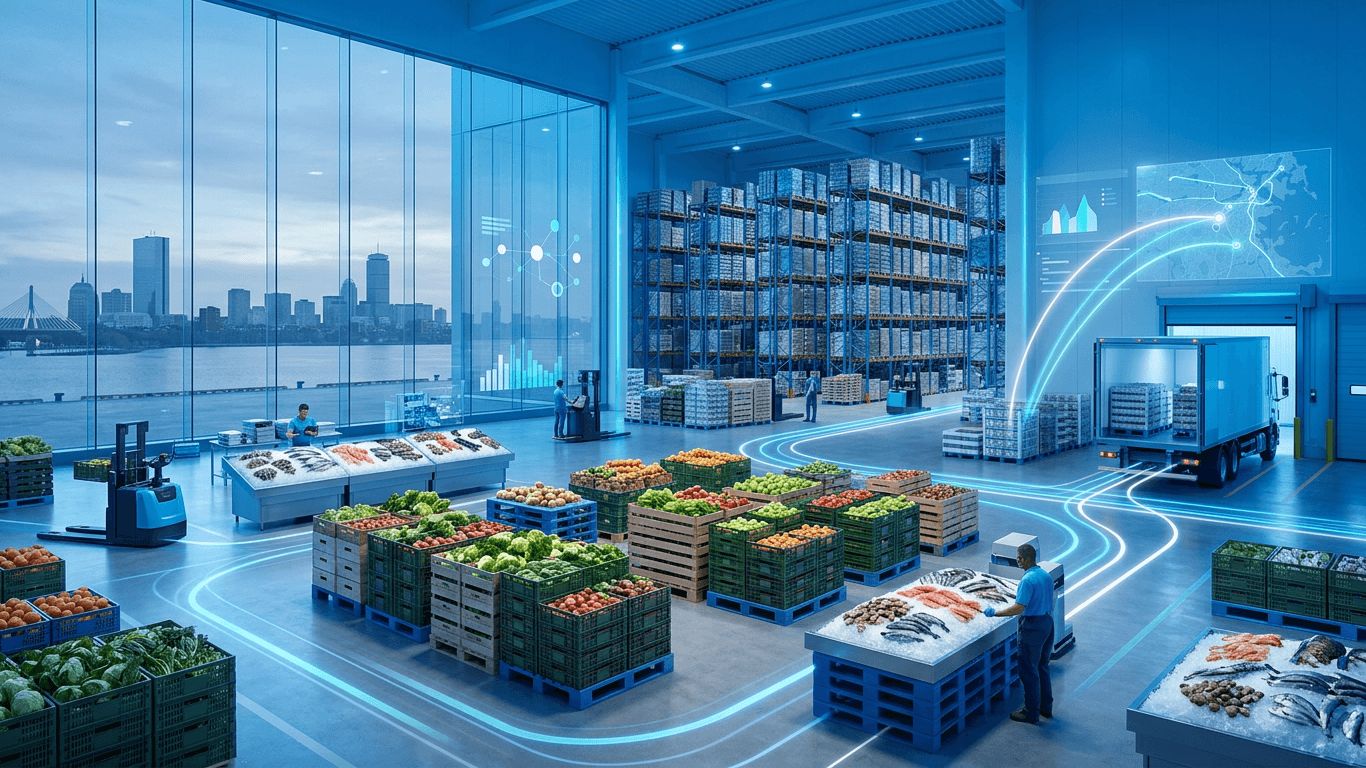
The Backbone of Boston's Food Scene
Boston's dining scene has grown into one of the most exciting in the country, from North End trattorias and Chinatown dim sum houses to Seaport seafood spots and suburban farm-to-table restaurants. Behind every great meal is a supply chain of wholesalers delivering fresh produce, meat, dairy, dry goods, and specialty items. Many of these distributors are clustered around the New England Produce Center in Chelsea and the industrial areas surrounding the city.
Choosing the right food wholesaler affects quality, cost, and consistency. The ten companies below are among the most trusted partners for Boston's food businesses.
1. Sysco Boston
Sysco is the largest foodservice distributor in North America, and its Boston operation serves restaurants, healthcare facilities, schools, and hotels across eastern Massachusetts. Its broad catalog, private-label brands, and business tools make it a one-stop shop for many operators.
2. US Foods
US Foods offers a wide range of foodservice products along with digital ordering tools and menu support. Its regional distribution centers serve independent restaurants and multi-location chains throughout New England, and its CHEF'STORE format gives smaller operators convenient access to supplies.
3. C and S Wholesale Grocers
C and S Wholesale Grocers, rooted in New England, is one of the largest grocery wholesalers in the United States. It supplies independent supermarkets and grocery chains with a full range of products, and its logistics expertise supports retailers across the region.
4. Baldor Boston
Baldor Specialty Foods expanded into Boston with a facility in Chelsea and quickly became a favorite of chefs. It specializes in premium produce, specialty foods, dairy, and prepared ingredients, with a strong emphasis on freshness and local sourcing.
5. Costa Fruit and Produce
Costa Fruit and Produce has served Boston's restaurants and institutions for decades. Known for high-quality fruits, vegetables, and specialty items, it offers reliable daily delivery and works closely with local farms during the growing season.
6. Katsiroubas Bros.
Katsiroubas Bros. is a family-owned produce wholesaler based in Boston. It supplies restaurants, universities, hospitals, and grocers with fresh produce and value-added processed items such as cut vegetables, emphasizing food safety and service.
7. Dole and Bailey
Dole and Bailey, located in Woburn, is one of New England's oldest meat and poultry purveyors. It provides custom-cut beef, pork, lamb, poultry, and seafood to fine dining restaurants, clubs, and hotels that demand consistent quality.
8. Chex Finer Foods
Chex Finer Foods, based in Attleboro, distributes specialty and gourmet foods, including cheeses, imported goods, and natural and organic products. Independent grocers and specialty retailers rely on Chex for unique items that set their shelves apart.
9. Kayem Foods
Kayem Foods, headquartered in Chelsea, is a family-owned producer of hot dogs, sausages, and deli meats. Its products, including the Fenway Franks associated with Boston baseball, are distributed to grocers, ballparks, and foodservice operators throughout New England.
10. New England Produce Center Merchants
The New England Produce Center in Chelsea is home to dozens of independent wholesale merchants. Together they form one of the largest produce terminal markets in the country, giving buyers access to a vast variety of fruits and vegetables from local farms and global growers.
Trends in Food Wholesale
Local sourcing remains a strong trend, with restaurants seeking New England produce, seafood, and dairy. Digital ordering, real-time inventory, and route optimization are improving efficiency. Wholesalers are also expanding plant-based options, prepared ingredients that reduce kitchen labor, and sustainability programs that reduce food waste and packaging.
How to Choose a Food Wholesaler
Evaluate product quality, delivery reliability, minimum orders, pricing transparency, and customer service. Consider food safety certifications and traceability. Many Boston operators use a combination of broadline distributors for staples and specialty purveyors for produce, meat, and unique ingredients.
Seasonality and Local Sourcing
New England's growing season is short but productive. Summer and early fall bring sweet corn, tomatoes, apples, berries, and squash from Massachusetts farms, and many wholesalers highlight these products for restaurants that design seasonal menus. During winter, distributors rely on greenhouse growers and national suppliers to keep kitchens stocked with consistent quality.
Frequently Asked Questions
Can small restaurants work with large broadline distributors?
Yes. Broadline distributors serve independent restaurants of all sizes, though minimum order requirements and delivery schedules vary by account.
What should I look for in a produce supplier?
Look for consistent quality, transparent pricing, food safety certifications, flexible delivery windows, and responsive service when products are substituted or delayed.
Serving Boston's Institutional Kitchens
Beyond restaurants, Boston's hospitals, universities, and corporate cafeterias feed thousands of people every day. These institutional kitchens require consistent product specifications, nutritional documentation, allergen controls, and contract pricing. Wholesalers that can meet these demands while still offering fresh, local, and diverse options play a critical role in the region's food ecosystem.
Final Thoughts
Boston's culinary excellence depends on the wholesalers who keep kitchens stocked every day. These ten companies represent the best of the region's food distribution network, combining quality, reliability, and a deep understanding of local tastes.
Want your brand featured in front of decision-makers? Publish a guest post or get a link insertion in our guides through AAMAX's guest post and link insertion service.
Helpful Links
 SponsoredAAMAX — Full-Service Digital Agency
Write for Us
Share your expertise with our readers. We welcome guest contributions from industry specialists.
Pitch your idea