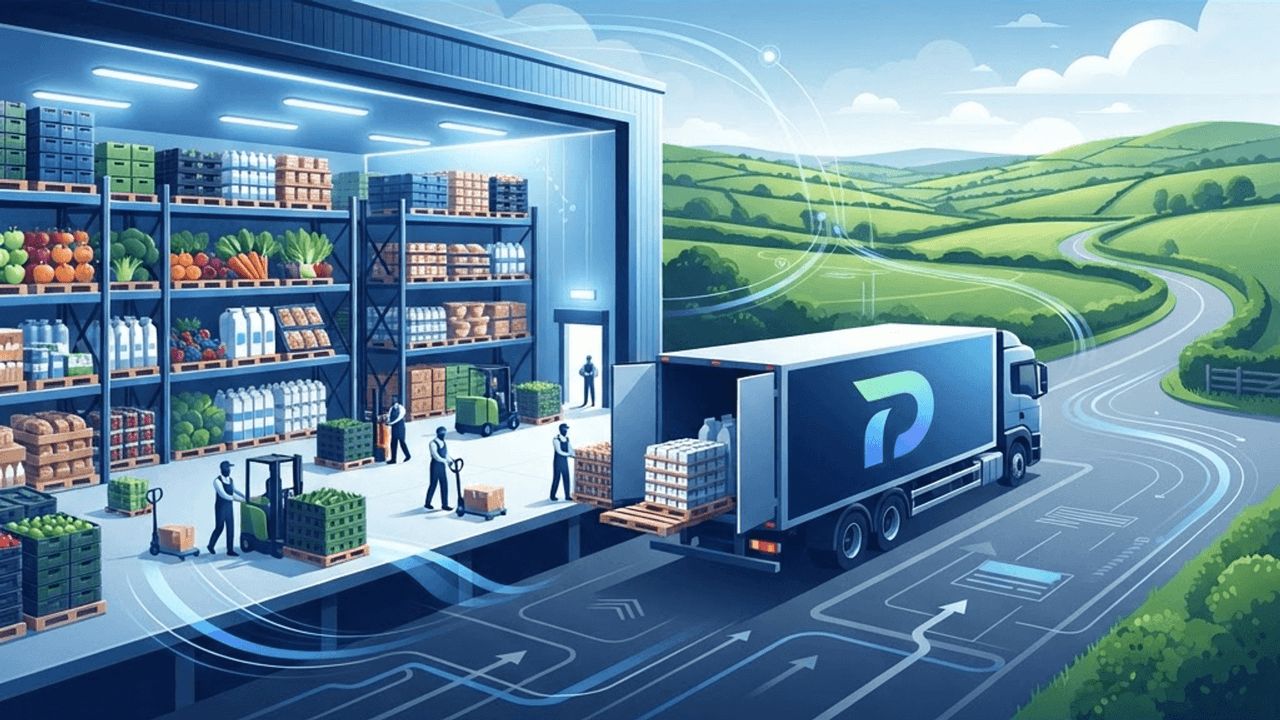
Understanding Food Delivery in a Rural District
Food delivery technology was built for dense urban areas where a courier can complete several orders an hour within a small radius. West Oxfordshire presents almost the opposite conditions: a dispersed population, long distances between settlements, and towns separated by open countryside. Understanding this reality is the key to using delivery services successfully here.
In practice, the district divides into three zones. Witney and Carterton have sufficient population density to support the major national platforms with reasonable restaurant choice. Woodstock, Eynsham and Chipping Norton have partial coverage, usually concentrated around a handful of local restaurants. The villages beyond rely largely on direct restaurant delivery, pub takeaway services and supermarket slots booked in advance.
The Best Delivery Apps and Services
1. Deliveroo. Generally the strongest performer in Witney, with a solid roster of local independents alongside national chains. Its rider network in the town has matured considerably, and delivery estimates have become notably more accurate. Coverage thins quickly outside the town boundary.
2. Uber Eats. Competes closely with Deliveroo across the district's larger towns and frequently offers a slightly wider grocery and convenience selection. Its scheduling function is particularly useful in rural areas where immediate delivery may not be available.
3. Just Eat. The most broadly available platform across West Oxfordshire, largely because many participating restaurants use their own drivers rather than relying on a platform courier fleet. This model works well in rural settings and means Just Eat often reaches villages the others cannot serve.
4. Tesco Online. With substantial store presence serving the district, Tesco's grocery delivery remains the backbone of household food logistics for many residents. Slot availability into outlying villages is generally reliable when booked in advance.
5. Sainsbury's Groceries. A strong alternative for grocery delivery with good coverage across the Witney and Carterton area. Its Chop Chop rapid service is available in parts of the county and provides a useful option for smaller, urgent orders.
6. Ocado. Frequently praised by rural Oxfordshire customers for reliability, substitution quality and long delivery ranges. For households outside the main towns, it is often the most dependable full grocery option available.
7. Waitrose delivery. Popular across the Cotswold villages, reflecting local shopping preferences. Its range of premium and regional products suits customers who want quality rather than the lowest basket price.
8. Farmdrop-style local produce delivery services. A number of regional operators deliver boxes of local meat, vegetables, dairy and bakery items directly from Oxfordshire producers. These are typically weekly subscription models and represent the most sustainable way to eat well without driving to multiple farm shops.
9. Direct restaurant and pub ordering systems. Many of the district's best establishments now operate their own online ordering, often through white-label systems. Ordering directly usually means lower prices, since the restaurant avoids platform commission, and it frequently extends delivery to villages the apps exclude.
10. Milk and doorstep delivery rounds. An enduring feature of rural Oxfordshire life. Modern doorstep rounds deliver far more than milk, including bread, eggs, juice and local dairy products in returnable glass. For many village households this remains the most reliable regular food delivery available.
How Coverage and Cost Actually Work
Delivery fees in the district are typically higher than in cities, reflecting the distances involved. Many platforms apply distance-based pricing, so an order from a Witney restaurant to a village five miles away can carry a substantially higher fee than the same order within the town.
Minimum order values are common outside the main towns, and service fees are usually applied on top of delivery charges. Menu prices on third-party platforms are also frequently higher than in-restaurant prices, as establishments offset commission rates that can be considerable.
Subscription schemes offered by the major platforms can make sense for frequent users, typically removing delivery fees above a minimum spend. For occasional users in rural postcodes, they rarely pay for themselves.
Trends Shaping Local Delivery
The most significant recent shift is the growth of direct ordering. Restaurants across Oxfordshire have actively encouraged customers away from third-party platforms, using loyalty incentives and lower prices. For the customer this usually means better value, and for the restaurant it means a sustainable margin.
Grocery and convenience delivery has expanded faster than restaurant delivery. Rapid convenience services attached to supermarkets now handle a growing share of small top-up shops.
Sustainability is increasingly visible, with more recyclable packaging, fewer unnecessary condiments and a general shift toward consolidated delivery rounds rather than individual journeys.
Finally, scheduling has become standard. Rural customers have learned that pre-booking a delivery window is far more reliable than expecting immediate service, and platforms have responded by making scheduled ordering more prominent.
Practical Tips for Ordering in West Oxfordshire
Check your postcode coverage before building a basket. Coverage varies by platform and can change with rider availability, particularly on weekday evenings.
Order earlier than you would in a city. Peak demand between seven and eight in the evening stretches limited rider capacity, and delivery times extend considerably.
Provide detailed address guidance. Rural properties frequently confuse satellite navigation, and a brief note describing the approach, gate or landmark prevents the most common delivery failures.
Compare direct ordering against the app. For a family-sized order, the difference in menu pricing and fees can be substantial.
Consider weather and season. Village deliveries can be affected by flooding on low-lying roads in winter and by heavy visitor traffic in summer, and building in extra time avoids disappointment.
Final Thoughts
Food delivery in West Oxfordshire is genuinely workable, provided expectations match rural reality. Residents of Witney and Carterton enjoy near-urban choice, while those in surrounding villages are often better served by direct restaurant ordering, scheduled grocery delivery and local produce boxes. Used thoughtfully, the combination of national platforms and local services covers most needs, and supporting direct ordering keeps more value with the district's own food businesses.
Want your brand featured in front of decision-makers? Publish a guest post or get a link insertion in our guides through AAMAX's guest post and link insertion service.
Helpful Links
 SponsoredAAMAX — Full-Service Digital Agency
Write for Us
Share your expertise with our readers. We welcome guest contributions from industry specialists.
Pitch your idea