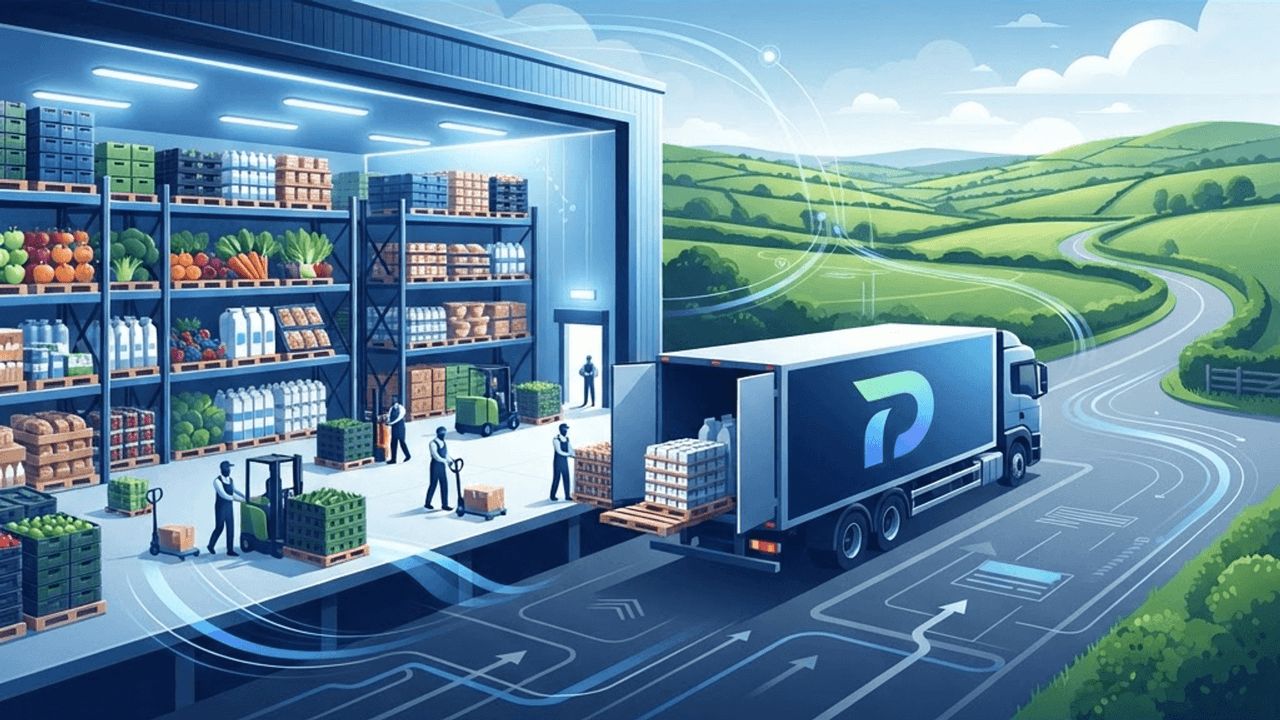
Delivery in a Semi-Rural District
Food delivery apps were built for dense urban areas where a rider can reach a dozen restaurants within a few minutes. South Derbyshire is not that. Swadlincote has reasonable density, but a substantial share of the district's population lives in villages and hamlets where the nearest takeaway may be several miles away and rider availability is limited.
The practical consequence is that coverage here is patchy and highly location-dependent. A household in central Swadlincote may have dozens of options within half an hour; a household a few miles out may have three, all of which operate their own delivery rather than appearing on a national platform. Understanding this landscape, rather than assuming a single app covers everything, is the key to eating well.
The Different Models Available
Three distinct models operate in the district. National aggregator platforms list many restaurants and, in some cases, supply the delivery riders. Direct ordering systems allow individual takeaways to take online orders and deliver with their own drivers, usually at lower cost because no platform commission applies. Grocery and meal delivery services handle scheduled rather than immediate delivery, covering supermarket shops, recipe boxes and prepared meals, and these reach rural addresses far more reliably than on-demand food.
Ten Delivery Options in South Derbyshire
1. Swadlincote Eats. A locally focused ordering platform aggregating takeaways across the town and immediate surroundings. Commission rates are lower than national alternatives, which local restaurants appreciate, and the coverage within the town is strong.
2. Trentside Local Delivery. A regional delivery service that partners with village pubs, farm shops and independent kitchens, specifically targeting addresses that larger platforms do not serve. Delivery windows are scheduled rather than immediate.
3. Melbourne Village Orders. A small community-oriented platform serving Melbourne and surrounding settlements, listing independent cafes, delicatessens and restaurants with an emphasis on local producers.
4. Hilton Takeaway Direct. A direct-ordering system used by a cluster of takeaways around Hilton and Etwall, allowing customers to order online from individual businesses that deliver with their own drivers.
5. Repton Fresh Boxes. A scheduled delivery service for recipe boxes and prepared meals, sourcing from regional producers. Well suited to households wanting to cook but short of time for shopping.
6. Willington Pub Kitchen Delivery. A service built around the district's pub kitchens, delivering full meals from village pubs that would otherwise be dine-in only. A genuinely useful addition to the local options.
7. Hatton Grocery Run. A grocery and essentials delivery service covering rural postcodes on fixed days, filling the gap left by supermarket delivery slots that are frequently unavailable in outlying areas.
8. Woodville Curry Express. A specialist platform focused on the district's Indian and South Asian restaurants, with detailed spice level and allergen information that general platforms often handle poorly.
9. Aston Cliff Meal Prep Delivery. A subscription service delivering prepared, nutritionally balanced meals weekly, popular with shift workers and those managing specific dietary goals.
10. Overseal Community Delivery. A volunteer-supported service delivering hot meals and shopping to elderly and housebound residents, operating on a cost basis rather than commercially. A valuable part of the district's food infrastructure.
Trends in Food Delivery
Commission pressure has reshaped the market. Restaurants operating on thin margins have found platform fees difficult to absorb, and many now actively encourage direct ordering, sometimes with a discount. Customers who order directly usually pay less and the restaurant keeps considerably more.
Subscription delivery passes have become widespread, offering free or reduced delivery for a monthly fee. These pay off for frequent users and cost money for occasional ones, so the arithmetic is worth doing honestly.
Grocery and convenience delivery has grown faster than restaurant delivery in semi-rural areas, simply because scheduled delivery works where on-demand does not.
Sustainability has begun to influence the sector, with recyclable packaging, cutlery opt-outs and batched deliveries reducing both waste and cost.
Getting Better Value
Compare the total cost rather than the headline price. Platform menus are frequently priced above the in-restaurant menu to absorb commission, and once delivery fees and service charges are added, the difference against ordering directly can be substantial.
Order earlier in the evening where possible. Peak periods on Friday and Saturday stretch both kitchens and rider availability, and quality suffers when food sits waiting for a driver.
Check minimum order values and delivery radius before browsing, particularly in village postcodes, to avoid assembling a basket that cannot be delivered.
Provide clear directions for rural addresses. Many delivery problems in the district come down to properties that mapping software locates incorrectly, and a short note about the approach saves considerable frustration.
Supporting Local Food Businesses
The restaurants, pubs and takeaways of South Derbyshire operate on narrow margins, and how you order affects whether they remain viable. Where a business offers direct ordering, using it returns significantly more revenue to the kitchen than the same order placed through a national platform. Tipping the driver in cash likewise reaches them more reliably. Convenience and supporting local trade are not in conflict here; they simply require choosing the right channel.
Want your brand featured in front of decision-makers? Publish a guest post or get a link insertion in our guides through AAMAX's guest post and link insertion service.
Helpful Links
 SponsoredAAMAX — Full-Service Digital Agency
Write for Us
Share your expertise with our readers. We welcome guest contributions from industry specialists.
Pitch your idea