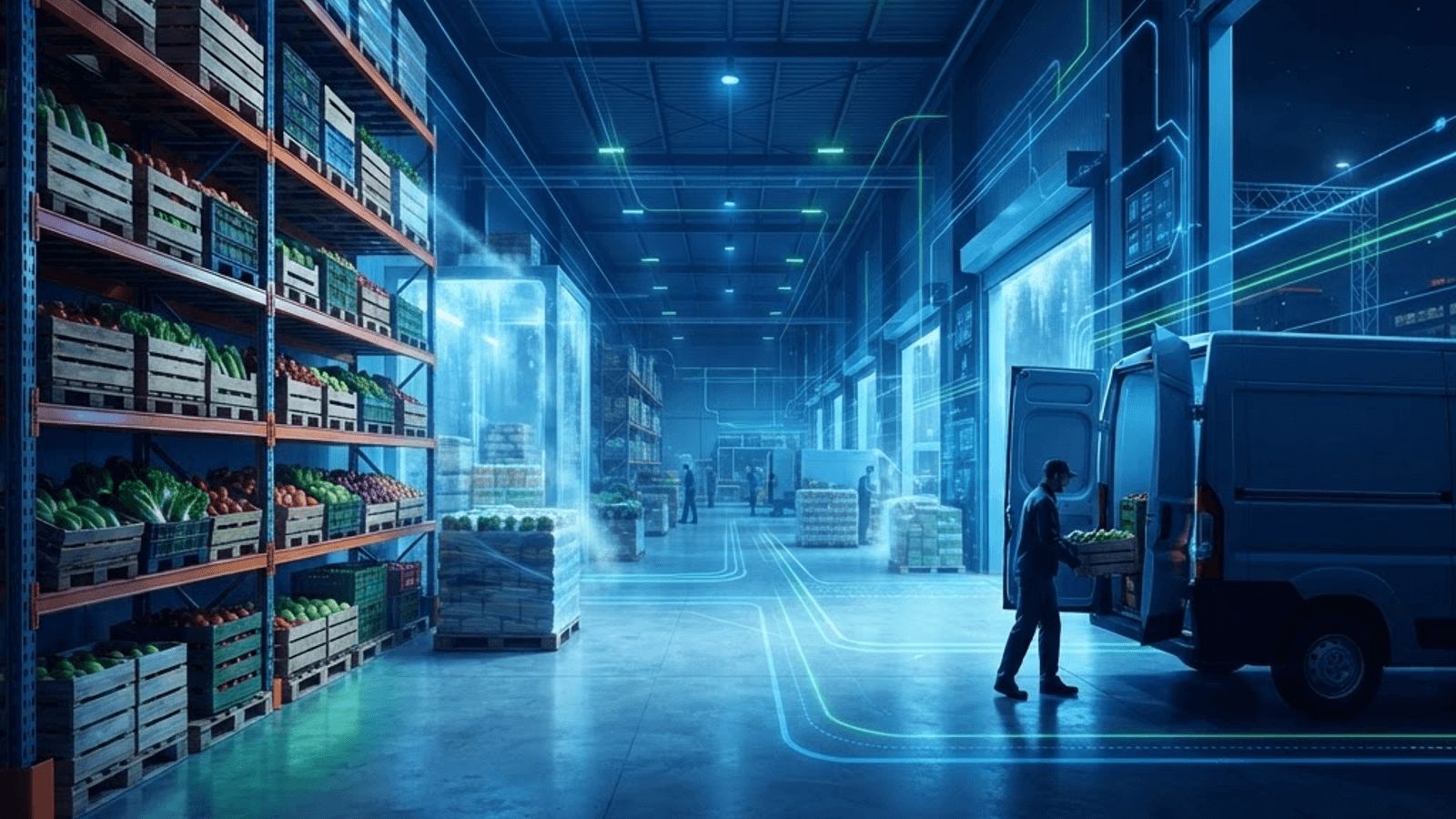
How Delivery Changed Eating Habits in Eastleigh
Eastleigh is unusually well suited to food delivery. The area combines high population density, narrow but navigable streets, a huge concentration of restaurants within a small radius, and long commercial trading hours. Short delivery distances mean food arrives hot, and riders can complete far more trips per shift than in sprawling suburbs. The result is a delivery ecosystem that is faster and cheaper than in many larger districts.
The customer base is also diverse. Office workers order lunch in tight windows, families order large shared meals in the evening, students look for budget options, and shop owners who cannot leave their premises depend on delivery throughout the day. Each platform has adapted differently to these patterns.
What Makes a Delivery App Genuinely Good
Speed is the obvious metric, but reliability matters more. A platform that consistently delivers in thirty-five minutes is more useful than one that averages twenty-five with frequent hour-long failures. Order accuracy is equally important, particularly for customers with dietary requirements.
Restaurant coverage determines usefulness. An app with an elegant interface but few local partners offers little practical value. Payment flexibility is another differentiator, especially support for mobile money and cash on delivery alongside cards. Finally, customer service quality, particularly how refunds and missing items are handled, separates mature platforms from newer entrants.
The Ten Best Food Delivery Apps Serving Eastleigh
Swift Plate leads on restaurant coverage in the area, listing everything from established grill houses to small family kitchens. Its live tracking is accurate, and its scheduling feature lets users pre-order for a specific time, which office teams use heavily for group lunches.
Mandeeq Eats focuses specifically on regional and halal cuisine. It is the strongest option for customers seeking traditional dishes, and its filtering by cuisine type is more granular than most competitors offer.
QuickBite Express competes on speed with a tightly curated restaurant list. By limiting partners to kitchens that can consistently prepare orders quickly, it maintains some of the shortest average delivery times in the neighbourhood.
HomeChef Connect operates a different model, connecting customers with home-based cooks rather than commercial restaurants. Meals are typically prepared to order in smaller batches, and the platform appeals to customers who prefer home-style cooking to restaurant portions.
Urban Tray targets the corporate segment with bulk ordering, invoicing and scheduled recurring deliveries. Businesses running staff meal programmes tend to use it for its administrative features rather than its consumer experience.
Nomad Delivery distinguishes itself with late-night coverage, operating well past the point where most platforms close. For shift workers and late diners, it is often the only functional option.
Tasty Route emphasises value with frequent discount campaigns, bundled family meals and a loyalty programme. It is popular among students and budget-conscious households, though its delivery windows can be wider during peak hours.
Baraka Grocer and Grub blends restaurant delivery with grocery and convenience items, allowing customers to add household essentials to a food order. This hybrid approach has proven efficient for families consolidating errands.
Rapid Rider functions primarily as a logistics layer, allowing customers to request pickup from any restaurant rather than only listed partners. Flexibility is its main advantage, though pricing varies with distance.
Feast Hub offers a polished interface with detailed menu photography, dietary tags and review systems. It appeals particularly to users who want to research before ordering rather than reorder from familiar places.
Trends Shaping Local Food Delivery
Consolidation of orders is a growing behaviour. Customers increasingly place larger, less frequent orders to avoid repeated delivery fees, which has pushed platforms toward family bundles and group ordering features.
Rider welfare and logistics efficiency have also become competitive issues. Platforms that manage rider allocation intelligently, batching nearby orders without letting food go cold, achieve better economics and better service simultaneously. Electric and low-emission delivery vehicles are beginning to appear as fuel costs and congestion pressure margins.
Transparency in pricing is another shift. Users have become sensitive to service charges appearing at checkout, and platforms that display full costs upfront tend to retain customers better despite appearing more expensive initially.
Tips for Getting the Best Delivery Experience
Order slightly before peak hours where possible, as kitchen backlog rather than travel time causes most delays. Save precise delivery notes, including building descriptions and floor numbers, since Eastleigh addressing can be ambiguous and clear instructions materially reduce delivery time.
Compare the same restaurant across two platforms before ordering, as menu pricing frequently differs. Keep records of order issues, since most platforms resolve complaints faster when the customer can reference specific items and timings.
Understanding Delivery Pricing
Delivery pricing in Eastleigh is built from several layers, and understanding them helps customers judge value accurately. The base delivery fee reflects distance and rider availability, and it rises sharply during rain, late evenings and peak weekend hours when demand exceeds rider supply. Service fees, usually calculated as a percentage of the order, fund platform operations. Some restaurants also apply slightly higher menu prices on delivery platforms to offset commission, which is why the same dish can cost more through an app than at the counter.
Minimum order thresholds are worth attention too. Platforms frequently waive delivery fees above a certain order value, which encourages larger consolidated orders. For households ordering regularly, subscription plans offering unlimited free delivery for a monthly fee can produce meaningful savings, though only for genuinely frequent users. Comparing the total checkout figure rather than the headline delivery fee is the only reliable way to identify the cheaper option on any given order.
Final Thoughts
Food delivery in Eastleigh has matured into a competitive, genuinely useful service layer rather than a convenience novelty. The ten platforms above cover distinct needs, from late-night dining and home-cooked meals to corporate catering logistics. Choosing the right one depends less on brand recognition and more on matching the platform to your specific pattern of ordering.
Want your brand featured in front of decision-makers? Publish a guest post or get a link insertion in our guides through AAMAX's guest post and link insertion service.
Helpful Links
 SponsoredAAMAX — Full-Service Digital Agency
Write for Us
Share your expertise with our readers. We welcome guest contributions from industry specialists.
Pitch your idea