How Delivery Became Central to Bracknell Forest Life
Bracknell Forest is close to ideal territory for food delivery. It has a compact urban core with a high concentration of restaurants around the Lexicon and Bracknell town centre, surrounded by dense residential areas in Great Hollands, Easthampstead, Birch Hill, Warfield and Binfield, all within short driving distance. Add a large professional population working hybrid schedules, strong broadband coverage and a young family demographic, and you have consistent order volume across both weekday evenings and weekends.
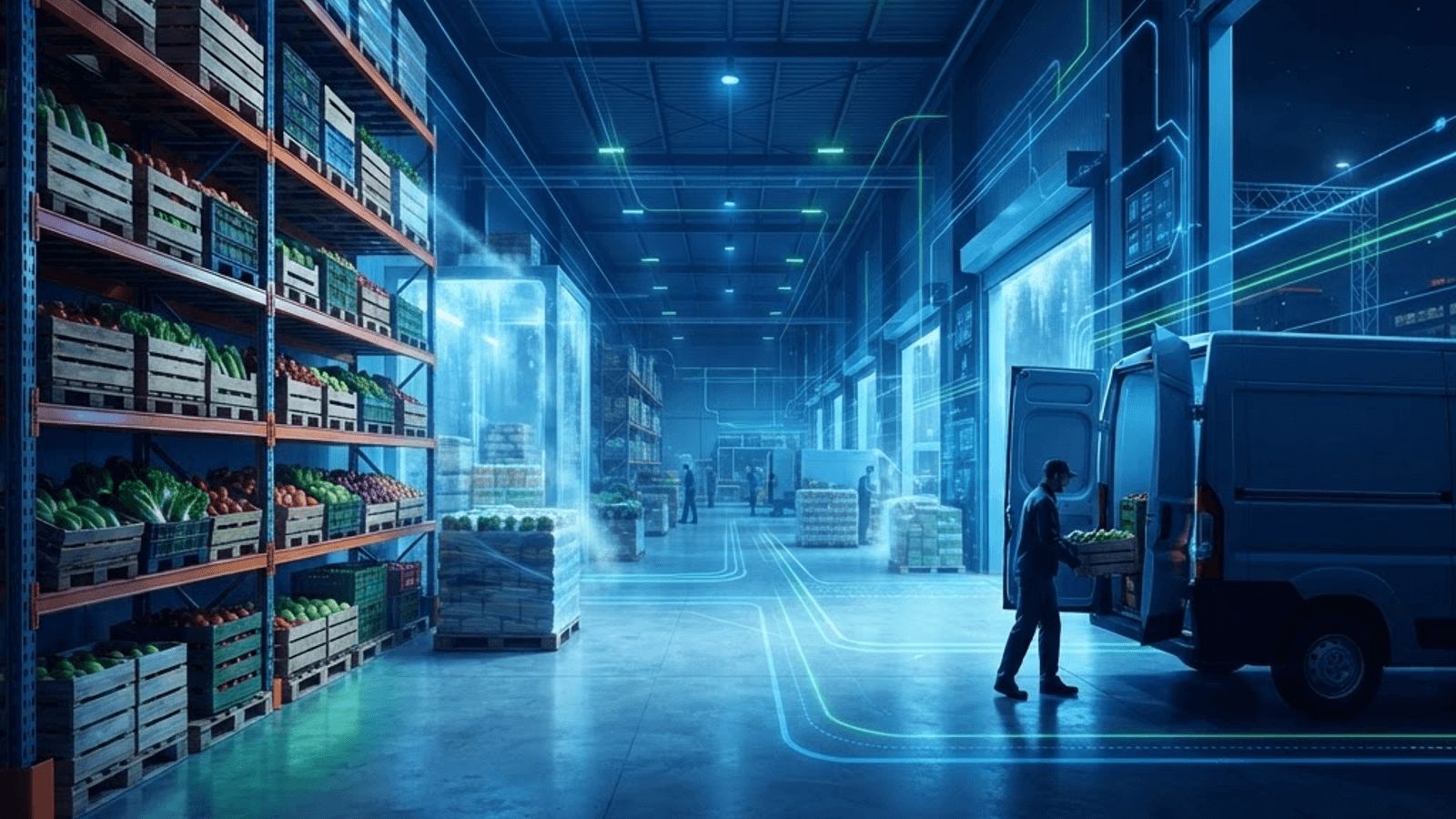
The category has also matured. Delivery is no longer only about takeaway on a Friday night. Residents now use apps for weekly grocery shops, rapid convenience top-ups, meal kits, restaurant-quality dining at home and speciality items such as artisan bakery goods or fresh fish. Understanding which type of platform suits which need is the single biggest factor in getting good value.
1. Major Restaurant Aggregator Platforms
The largest aggregators dominate the borough and offer the broadest restaurant choice, from national chains to independent curry houses, pizzerias and Chinese takeaways. Their advantages are scale and convenience: live order tracking, extensive filtering, saved addresses and reliable customer service when something goes wrong. Their drawbacks are service fees, small order charges and menu prices often marked up above in-store rates. Subscription programmes that waive delivery fees generally pay for themselves if you order more than three or four times a month.
2. Courier-Network Delivery Apps
A second model uses a large independent courier network and partners with restaurants, supermarkets and retailers simultaneously. These apps often deliver faster on short distances and are particularly strong in Bracknell's central postcodes. They have also expanded well beyond food into pharmacy items, pet supplies and electronics, making them useful for urgent non-food needs.
3. Direct Restaurant Ordering Apps
Many established local takeaways in Bracknell Forest operate their own ordering apps or websites. Ordering direct is almost always cheaper because the restaurant avoids commission of roughly a quarter to a third of the order value. Loyalty schemes, exclusive discount codes and larger portion consistency are common benefits. The trade-off is fragmentation, since you need separate accounts, and delivery tracking is usually less sophisticated. For a regular weekly order from a favourite venue, direct ordering is comfortably the best value.
4. Rapid Grocery Delivery Services
Ultra-fast grocery apps promise essentials within roughly fifteen to thirty minutes. They stock a curated range of around two to three thousand lines covering fresh produce, dairy, snacks, household basics and alcohol. In Bracknell Forest they work best in the denser central areas. Pricing sits above supermarket levels, so they suit genuine top-ups and forgotten ingredients rather than main shops.
5. Full Supermarket Delivery Platforms
The major supermarket apps remain the workhorse of household food logistics. They offer complete ranges, multi-buy promotions, own-label value tiers and scheduled slots up to three weeks ahead. Features such as saved favourites, repeat-order baskets and substitution preferences save considerable time. Delivery passes covering unlimited slots for a monthly fee are excellent value for weekly shoppers, and midweek daytime slots are consistently cheapest.
6. Meal Kit Subscription Services
Meal kits deliver pre-portioned ingredients with recipe cards, typically on a fixed weekly schedule. They appeal strongly to busy Bracknell Forest households wanting to cook properly without meal planning or food waste. Per-portion costs generally sit between supermarket cooking and takeaway. The key considerations are packaging volume, the commitment of a recurring subscription and whether the recipe difficulty genuinely matches your available time.
7. Ready Meal and Chilled Food Subscriptions
Distinct from meal kits, these services deliver fully prepared chilled or frozen meals requiring only heating. They serve a valuable role for older residents, people recovering from illness, shift workers and anyone prioritising portion-controlled nutrition. Many offer calorie-counted, high-protein or dietary-specific ranges, and the better providers use genuine chef-developed recipes rather than industrial formulations.
8. Speciality and Artisan Food Delivery
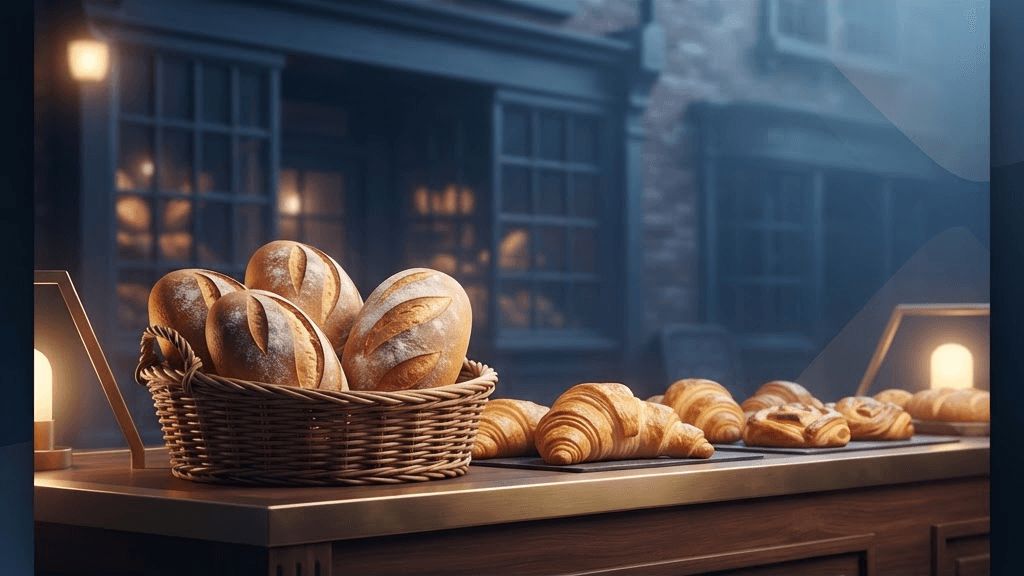
A growing set of platforms connect customers with butchers, fishmongers, bakeries, cheesemongers and farm producers. For Bracknell Forest residents who value provenance, these services deliver dry-aged beef, day-boat fish, sourdough and unpasteurised cheese directly. Orders are typically less frequent but higher value, and the quality gap against standard supermarket equivalents is often substantial.
9. Alcohol and Drinks Delivery Apps
Dedicated drinks platforms deliver wine, craft beer, spirits and mixers, often within the hour in central areas. They range from curated wine subscription clubs offering tasting notes and producer stories to rapid convenience services for last-minute entertaining. All operate strict age verification at the doorstep.
10. Surplus Food and Discount Apps
Waste-reduction apps let users buy unsold food from local bakeries, cafés, supermarkets and restaurants at heavily reduced prices near closing time. Participation across Bracknell Forest has grown steadily. The model involves collecting a surprise bag rather than home delivery, but the savings are significant and the environmental benefit is real, diverting edible food from disposal.
Getting the Best Value
A few habits make a considerable difference. Compare the same restaurant across two platforms and its own site before ordering, as price gaps of twenty per cent are common. Group orders with colleagues or neighbours to clear minimum spend thresholds and split delivery costs. Schedule orders outside peak windows of roughly seven to nine in the evening for faster delivery and lower surge pricing. Use subscription fee waivers only if your genuine ordering frequency justifies them, and review them quarterly.
Trends to Watch
Several developments are reshaping delivery locally. Sustainable packaging is becoming a competitive point, with more providers switching to recyclable or compostable containers. Virtual kitchens producing delivery-only brands from shared premises continue to expand choice. Artificial intelligence is improving delivery time estimates and personalised recommendations. Finally, transparency regulation is pushing platforms to show clearer total costs upfront rather than revealing fees at checkout.
Final Thoughts
Bracknell Forest is well served across every delivery category, from instant convenience to carefully sourced speciality produce. The most effective approach is not loyalty to a single app but matching the platform to the purpose: aggregators for variety, direct ordering for regular favourites, supermarket apps for the weekly shop and surplus apps for value. Used thoughtfully, delivery can genuinely improve both convenience and the quality of what you eat.
Want your brand featured in front of decision-makers? Publish a guest post or get a link insertion in our guides through AAMAX's guest post and link insertion service.
Helpful Links
 SponsoredAAMAX — Full-Service Digital Agency
Write for Us
Share your expertise with our readers. We welcome guest contributions from industry specialists.
Pitch your idea