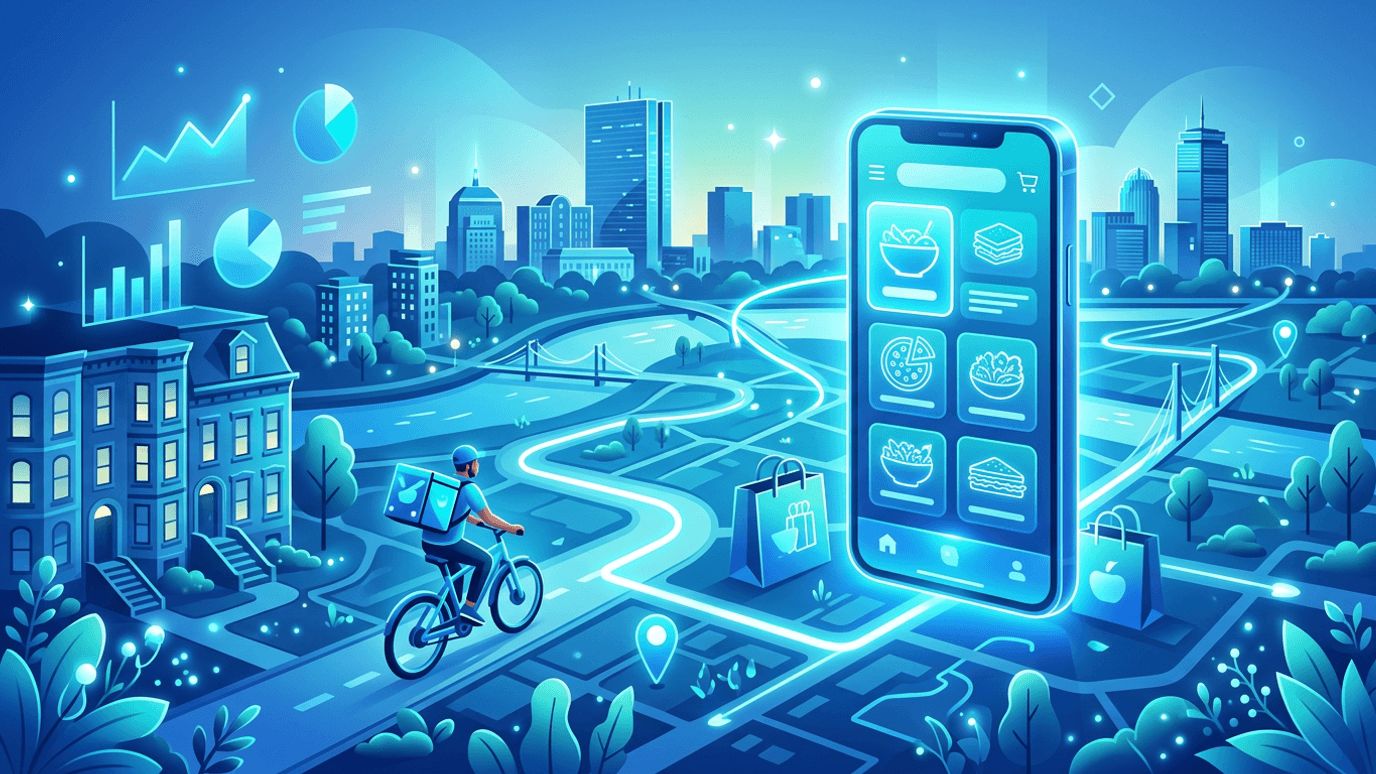
Food Delivery in a Busy, Walkable City
Boston might be one of America's most walkable cities, but that has not slowed demand for food delivery. Harsh winters, packed schedules, and a population that includes hundreds of thousands of students and young professionals have made delivery a daily habit for many households. The city also has a special connection to the industry, as Boston is home to restaurant technology company Toast and was an early adopter of online ordering platforms.
Today, residents can choose from restaurant delivery marketplaces, grocery services, convenience apps, and direct-ordering tools that help local restaurants keep more of their revenue. We evaluated the leading options based on restaurant selection, delivery speed, pricing transparency, subscription value, user experience, and how well they serve Boston neighborhoods from Dorchester to Charlestown.
1. DoorDash
DoorDash has the largest overall restaurant selection in the Boston area, covering everything from national chains to neighborhood favorites. Its DashPass subscription reduces delivery fees on eligible orders, and the app also offers grocery, convenience, and retail delivery. Reliable tracking, frequent promotions, and broad coverage across Greater Boston make DoorDash the default choice for many residents.
2. Uber Eats
Uber Eats integrates seamlessly with the Uber ecosystem, allowing riders to use one account for transportation and food. Its Uber One membership bundles discounts on rides and deliveries. The platform has a strong selection of restaurants in Back Bay, the Seaport, and Cambridge, plus grocery and alcohol delivery where permitted.
3. Grubhub
Grubhub has deep roots in Boston, especially among college students, thanks to partnerships with universities and campus dining programs. Its Grubhub+ membership offers free delivery on eligible orders, and many users appreciate its straightforward interface. The platform remains a solid option for both independent restaurants and familiar chains.
4. Instacart
For grocery delivery, Instacart is the leading choice in Boston. It partners with major grocers such as Wegmans, Star Market, Stop and Shop, and Costco, along with specialty retailers. Personal shoppers handle substitutions in real time, and same-day delivery windows make it convenient for busy families and professionals.
5. Caviar
Caviar, owned by DoorDash, focuses on curated, higher-end restaurants. It is especially useful for diners looking for chef-driven spots and popular local restaurants that may not appear on every marketplace. Caviar's curated approach makes it a favorite for special-occasion takeout and discovering standout neighborhood dining.
6. Gopuff
Gopuff specializes in rapid delivery of snacks, drinks, household essentials, and convenience items from its own micro-fulfillment centers. It is popular among students and late-night customers who need quick access to everyday items. Fast delivery times and a predictable product range distinguish it from restaurant-focused apps.
7. Amazon Fresh
Amazon Fresh offers grocery delivery to Prime members across much of Greater Boston, with scheduled delivery windows and competitive pricing. Its integration with the broader Amazon ecosystem, including Whole Foods Market options, makes it attractive for households that already rely on Amazon for other purchases.
8. Toast Local
Toast, headquartered in Boston, powers point-of-sale and online ordering for thousands of restaurants. Its consumer ordering experience allows diners to order directly from local restaurants that use Toast, often with lower fees for the restaurant. Ordering this way is an excellent way to support independent Boston businesses while still enjoying convenience.
9. ChowNow
ChowNow provides commission-free online ordering for independent restaurants. Its consumer app helps diners find nearby local eateries and order pickup or delivery directly. For Bostonians who want to keep more money in the pockets of neighborhood restaurant owners, ChowNow is a thoughtful alternative to large marketplaces.
10. Stop and Shop Delivery
Stop and Shop, which absorbed the long-running Peapod service, offers grocery delivery and pickup through its own app. It is a familiar option for New England households who prefer shopping directly with a regional grocer, earning loyalty points and accessing store-specific promotions.
Trends in Boston Food Delivery
Several important trends are shaping delivery in Boston. Subscription memberships have become central to how consumers save on fees. Direct ordering is gaining traction as restaurants encourage customers to bypass third-party commissions. Grocery and convenience delivery continue to grow, blurring the line between restaurant marketplaces and retail services.
Sustainability and labor issues are also front of mind. Massachusetts has seen active policy discussions about gig worker pay and protections, and many consumers want to understand how drivers are compensated. E-bike couriers are increasingly common in dense neighborhoods, reducing congestion and emissions.
How to Choose the Right App
Consider what you order most often. If you mostly order restaurant meals, DoorDash, Uber Eats, or Grubhub will likely meet your needs, and a subscription may pay for itself. For weekly groceries, Instacart, Amazon Fresh, or Stop and Shop Delivery are better fits. If supporting local restaurants matters to you, use direct ordering through Toast or ChowNow whenever possible. Compare fees, tip settings, and promotions before placing larger orders.
Final Thoughts
Boston's food delivery market offers more choice than ever. By understanding the strengths of each platform, you can save money, eat better, and support the local businesses that make the city's food scene so vibrant.
Want your brand featured in front of decision-makers? Publish a guest post or get a link insertion in our guides through AAMAX's guest post and link insertion service.
Helpful Links
 SponsoredAAMAX — Full-Service Digital Agency
Write for Us
Share your expertise with our readers. We welcome guest contributions from industry specialists.
Pitch your idea