Fisheries in a Landscape of Lakes, Ponds and Streams
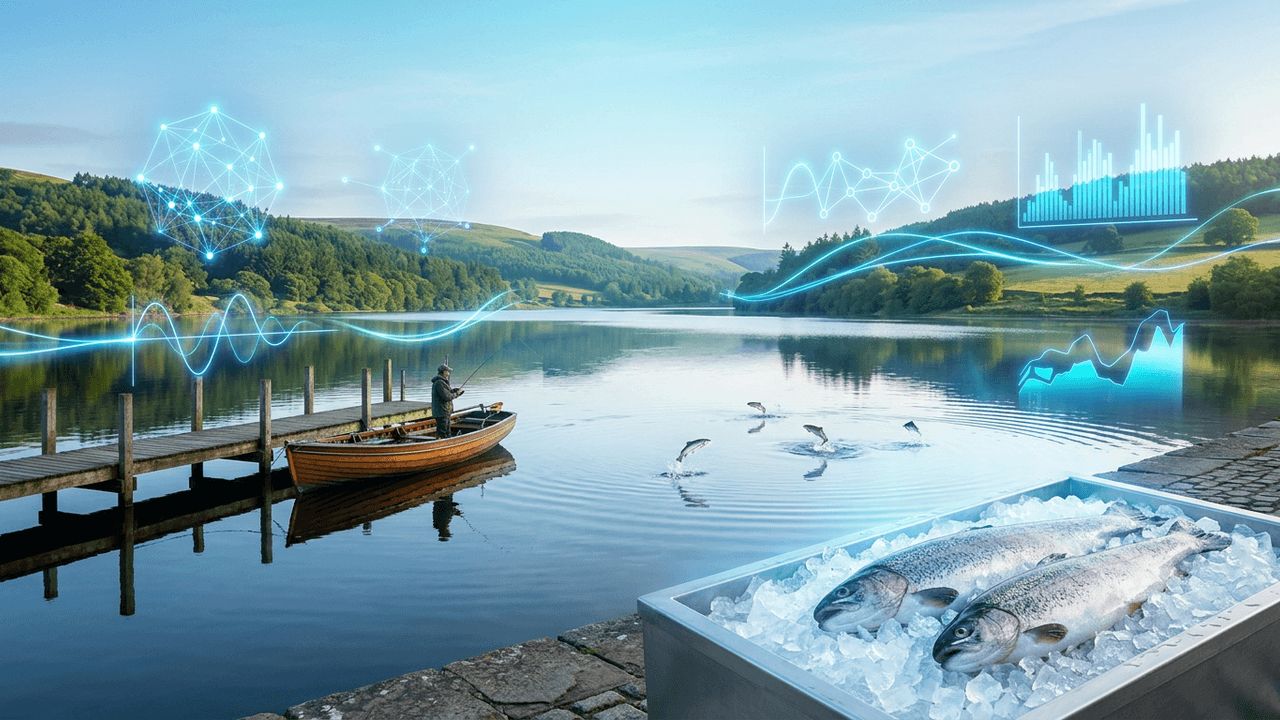
Wealden's landscape is unusually rich in water. Centuries of iron working left a legacy of hammer ponds, and the district's clay geology holds water well, producing hundreds of ponds, lakes and small reservoirs alongside the headwater streams of the Rother, Cuckmere and Medway systems. That combination has supported a distinctive freshwater fishery sector.
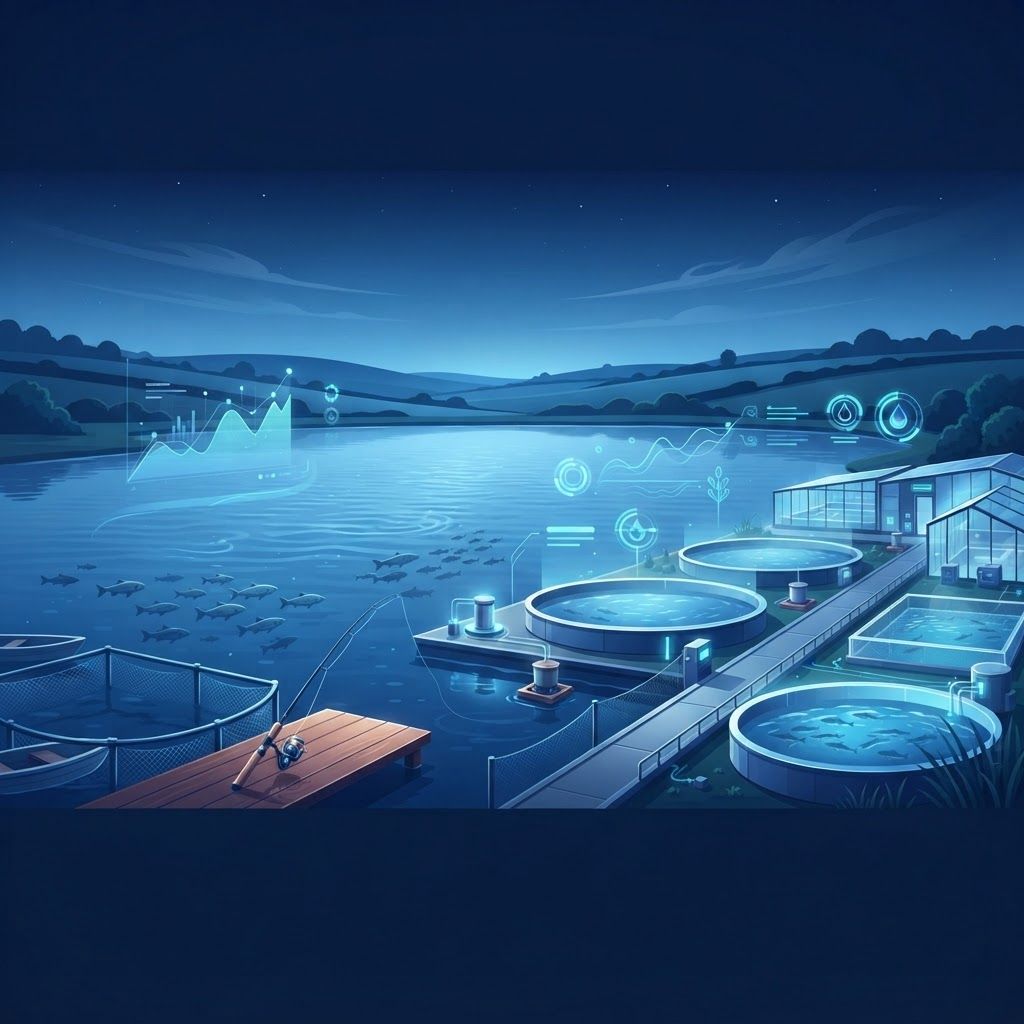
The sector covers several activities. Trout farms raise fish for the table and for stocking. Coarse fisheries manage lakes for angling. Hatcheries supply fry and fingerlings. Consultancies survey and restore aquatic habitat. Aquaponics and recirculating systems represent a newer, technology-led strand. Together these businesses support both food production and a substantial rural leisure economy.
The Top 10 Fishery Companies in Wealden
1. Wealden Fisheries
Wealden Fisheries is the district's most established freshwater operation, combining trout production with stocking supply to lakes and syndicates across the South East. Its reputation rests on fish condition and disease-free health status, supported by consistent water quality management. Advice on stocking density and species mix helps fishery owners avoid overloading their waters.
2. Heathfield Trout Farm
Heathfield Trout Farm raises rainbow and brown trout in spring-fed raceways, supplying restaurants, farm shops and smokehouses as well as offering on-site sales. Cool, well-oxygenated water and low stocking densities produce firm-fleshed fish with reliable quality. On-site gutting and smoking add value and shorten the route to the customer.
3. Uckfield Angling Lakes
Uckfield Angling Lakes manages coarse fisheries stocked with carp, tench, roach, bream and perch, with well-maintained pegs and disabled-accessible platforms. Its fish welfare protocols, including unhooking mats, barbless rules and treatment provision, protect stock quality over the long term. Day tickets and season permits support a broad local angling community.
4. Sussex Aquaculture
Sussex Aquaculture operates recirculating aquaculture systems, producing fish with tightly controlled water quality and minimal discharge. Biofiltration and monitoring technology allow year-round production largely independent of weather. Its research collaborations have helped refine feed conversion and welfare practice in land-based systems.
5. Crowborough Coarse Fishery
Crowborough Coarse Fishery runs match and pleasure lakes designed for competitive angling, with even peg quality and reliable form. Habitat features such as marginal planting, gravel bars and reed beds support natural food and spawning. Junior coaching sessions and club matches make it a hub for the local sport.
6. Hailsham Fish Hatchery
Hailsham Fish Hatchery specialises in breeding and rearing fry and fingerlings for fisheries, conservation stocking and ornamental supply. Genetic diversity management and biosecurity are central to its operation, reducing disease risk downstream. Traceable stock records support customers' own health certification requirements.
7. Polegate Fish Suppliers
Polegate Fish Suppliers distributes fresh and frozen fish and shellfish to restaurants, pubs and retailers, combining locally farmed freshwater fish with coastal landings from nearby Sussex ports. Cold chain discipline and early-morning delivery give kitchens genuinely fresh product. Sustainability guidance on species choice helps venues write responsible menus.
8. Mayfield Aquatic Management
Mayfield Aquatic Management provides consultancy and practical works: fishery surveys, netting, weed and algae control, silt management, dam and sluice repair and habitat improvement. Estates, farms and angling clubs use it to restore neglected hammer ponds. Its ecological approach favours long-term habitat balance over repeated chemical intervention.
9. Wadhurst Fly Fishing Estate
Wadhurst Fly Fishing Estate offers managed still-water and stream fly fishing for trout in a well-kept landscape setting, with tuition and equipment hire available. Careful stocking and catch-and-release zones maintain sport quality across the season. Its instruction programme has introduced many newcomers to the sport locally.
10. Forest Row Sustainable Aquaponics
Forest Row Sustainable Aquaponics integrates fish rearing with hydroponic crop production, using nutrient-rich water to grow salads and herbs. The closed-loop model reduces water use and eliminates most nutrient discharge. Educational visits and produce supply to local outlets make it a visible example of low-impact food production.
Trends in the Freshwater Fishery Sector
Water quality regulation and public attention to river health have raised standards across the sector. Discharge consents, nutrient management and abstraction licensing are scrutinised more closely, and well-run fisheries increasingly monitor dissolved oxygen, temperature and nutrient levels continuously rather than periodically.
Biosecurity has also become central, with strict controls on fish movement to limit disease and invasive species spread. Climate variability presents a growing challenge: warmer summers reduce oxygen availability and stress cold-water species, prompting investment in aeration, shading and deeper refuge areas. On the demand side, angling participation remains healthy, and interest in low-carbon protein has supported freshwater aquaculture.
How to Choose a Fishery Partner
For stocking, health status is paramount. Ask for health certification, movement documentation and evidence of disease screening, since introducing infected fish can devastate an established water. Confirm that species and sizes suit your lake's productivity and existing population.
For food supply, examine cold chain handling, harvest-to-delivery timing and traceability back to the rearing unit. Feed sourcing and stocking density affect both welfare and eating quality, so suppliers should be willing to discuss them openly.
For management works, look at ecological competence rather than machinery alone. Netting, weed control and silt removal all carry risks to habitat and protected species, so proper survey work, permissions and timing restrictions should be part of any proposal. Documented results on comparable waters are the best evidence of capability.
Final Thoughts
Wealden's fishery companies span trout production, angling lake management, hatchery supply, aquatic consultancy and integrated aquaponics. Whether you are stocking a hammer pond, buying fish for a restaurant or restoring a neglected lake, judging operators on health certification, water quality management and ecological expertise will deliver results that last well beyond a single season.
Want your brand featured in front of decision-makers? Publish a guest post or get a link insertion in our guides through AAMAX's guest post and link insertion service.
Helpful Links
 SponsoredAAMAX — Full-Service Digital Agency
Write for Us
Share your expertise with our readers. We welcome guest contributions from industry specialists.
Pitch your idea