Swansea Bay and a Living Fishing Tradition
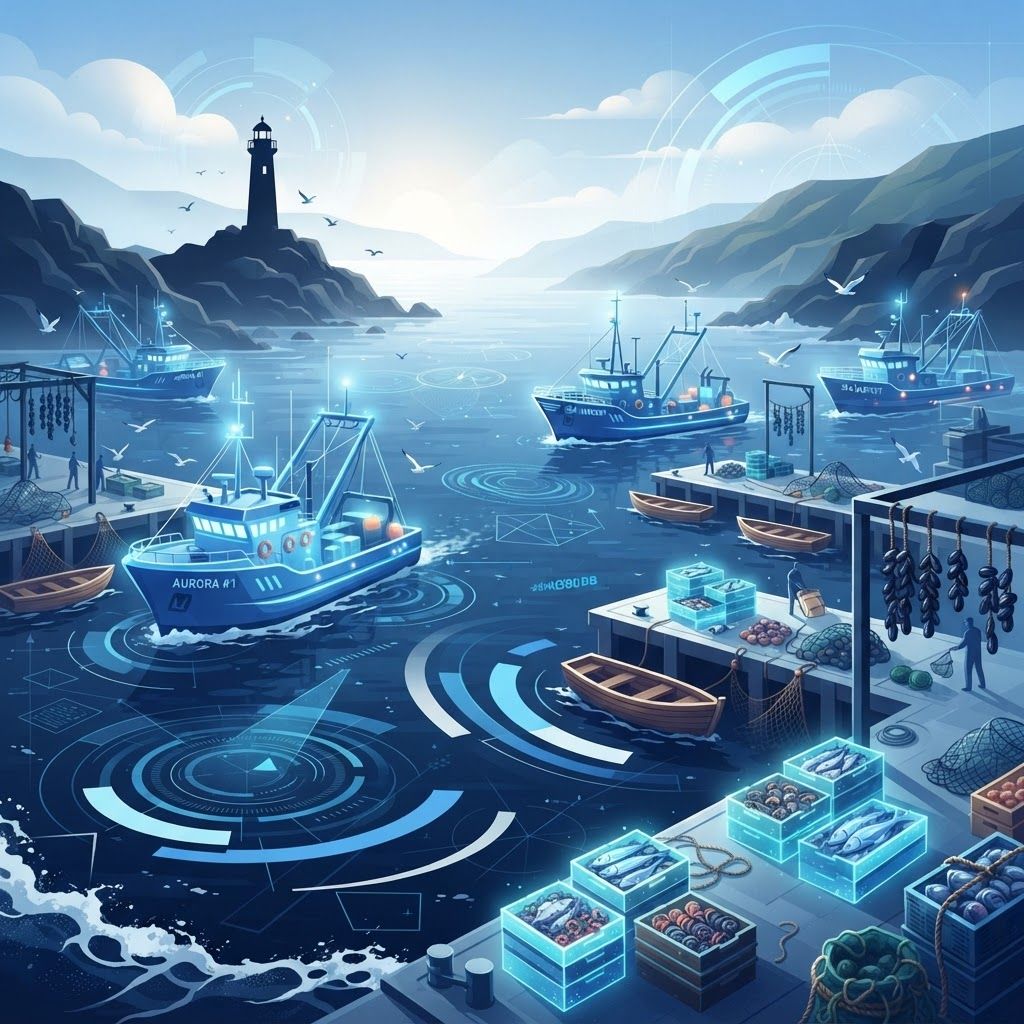
Swansea's relationship with the sea runs deeper than its docks. For generations, families around Penclawdd and the Loughor estuary have gathered cockles from the sands, a tradition that remains one of the most recognisable elements of Welsh coastal food culture. Beyond the estuary, boats working out of Swansea and Mumbles land shellfish and mixed white fish from the Bristol Channel and waters off the Gower Peninsula.
Modern Swansea seafood businesses operate across the whole chain: catching, gathering, processing, wholesale distribution, retail fishmongering and supply to restaurants. The city's hospitality sector, along with strong demand from London and European markets for Welsh shellfish, sustains a small but resilient industry that punches above its weight in quality terms.
How the Local Fishery Sector Works
Fishing here is dominated by shellfish. Cockles from the Burry Inlet, mussels, lobster, crab and whelk make up a significant share of value, alongside seasonal white fish such as bass, plaice, sole and skate. Much of this activity is small-scale and inshore, using day boats and hand-gathering methods that have a comparatively low environmental footprint.
Regulation is central to the sector. Shellfish beds are managed through permits, quotas and hygiene classification, with harvesting areas monitored for water quality and toxins. Purification and processing requirements apply before many shellfish can be sold for consumption. Reputable businesses treat this framework as a foundation of quality rather than an obstacle, because it underpins consumer confidence and export access.
Cold chain integrity is the other defining factor. Seafood quality degrades quickly, so ice management, rapid chilling, insulated transport and tight delivery scheduling determine whether a premium catch reaches the customer in premium condition. The best local suppliers are obsessive about this.
Top 10 Best Fishery Companies in Swansea
1. Penclawdd Cockle Gatherers — Representing the estuary's most famous tradition, these gatherers hand-harvest cockles from the Loughor sands under managed permits. Their product has strong recognition in Welsh food culture and continues to supply both local markets and export buyers.
2. Burry Inlet Shellfish Company — A processor and wholesaler handling cockles, mussels and other estuary shellfish, with purification, cooking and packing facilities. Their strength lies in maintaining hygiene standards and traceability required by demanding buyers.
3. Mumbles Bay Fisheries — Operating day boats from the Mumbles area, landing lobster, crab and seasonal fish. Short trips and rapid landing mean exceptional freshness for local restaurants and fishmongers along the bay.
4. Swansea Harbour Seafood Wholesale — A distribution business supplying restaurants, hotels, chip shops and caterers across South Wales. Daily deliveries, filleting to specification and consolidated ordering make them a practical partner for busy kitchens.
5. Gower Coast Lobster & Crab — Specialists in potting for crustaceans around the Gower coastline, with holding tanks that allow live supply to premium buyers. Careful stock handling and size-selective potting support long-term sustainability.
6. Loughor Estuary Mussel Producers — Cultivating and harvesting mussels in estuary waters, combining traditional knowledge with modern water-quality monitoring. Their production supports both domestic sales and European shellfish demand.
7. Swansea Bay Fish Processing — Handles filleting, portioning, freezing and packing for wholesale and retail customers. Value-added processing helps stabilise income across seasonal landings and reduces waste from whole-fish supply.
8. Oystermouth Heritage Oysters — Reviving the area's historic oyster association, this venture focuses on cultivation and careful bed management. Oyster restoration also carries genuine environmental benefits through water filtration and habitat creation.
9. Marina Fresh Fish Retail & Trade — A fishmonger operating both counter retail and trade supply, offering advice on species selection, seasonality and preparation. Their dual model keeps them close to consumer trends while serving professional kitchens.
10. Welsh Coast Aquaculture Ventures — Focused on farmed shellfish and seaweed cultivation, an emerging sector in Welsh waters. Seaweed in particular is attracting interest for food, feed and biomaterial applications, alongside its carbon and nutrient benefits.
Trends in the Seafood Industry
Sustainability certification and traceability have become commercial necessities rather than marketing choices. Buyers increasingly want to know the vessel, gathering area, method and date of harvest, and digital traceability systems are spreading through the supply chain to provide it.
Low-impact aquaculture is one of the sector's clearest growth areas. Shellfish farming requires no feed inputs, filters water and can improve local habitat when well sited. Seaweed cultivation is developing quickly, with applications ranging from food and supplements to packaging alternatives and agricultural inputs.
Consumer habits are also shifting. Interest in under-utilised species is rising as shoppers and chefs look beyond the handful of familiar fish, easing pressure on popular stocks and improving value. At the same time, demand for ready-prepared and portioned seafood continues to grow as home cooks seek convenience without losing quality.
Climate change is influencing species distribution in the Bristol Channel and Irish Sea, requiring flexibility from fishers and processors as availability patterns change over time.
Buying Seafood Well in Swansea
Buy seasonally and stay flexible. Menus and retail ranges written around what is landing locally will consistently deliver better quality and value than fixed lists that require substitution or long-distance sourcing. Ask suppliers what is abundant this week rather than only what you ordered last week.
Verify handling and documentation. For shellfish especially, confirm harvesting area classification, purification where required and full traceability. Check that deliveries arrive properly chilled and correctly labelled with harvest dates.
Communicate volumes honestly. Fishing is weather-dependent and landings fluctuate, so suppliers value customers who give realistic forecasts and accept sensible substitutions. That flexibility usually earns priority allocation when supply is limited.
Finally, tell the story. Swansea's seafood has genuine provenance — estuary cockles, Gower crustaceans, bay-landed fish — and customers respond strongly to it. Supporting these businesses sustains skills, coastal communities and food traditions that have shaped the city for centuries.
Want your brand featured in front of decision-makers? Publish a guest post or get a link insertion in our guides through AAMAX's guest post and link insertion service.
Helpful Links
 SponsoredAAMAX — Full-Service Digital Agency
Write for Us
Share your expertise with our readers. We welcome guest contributions from industry specialists.
Pitch your idea