The Fishing Heritage of South Hams
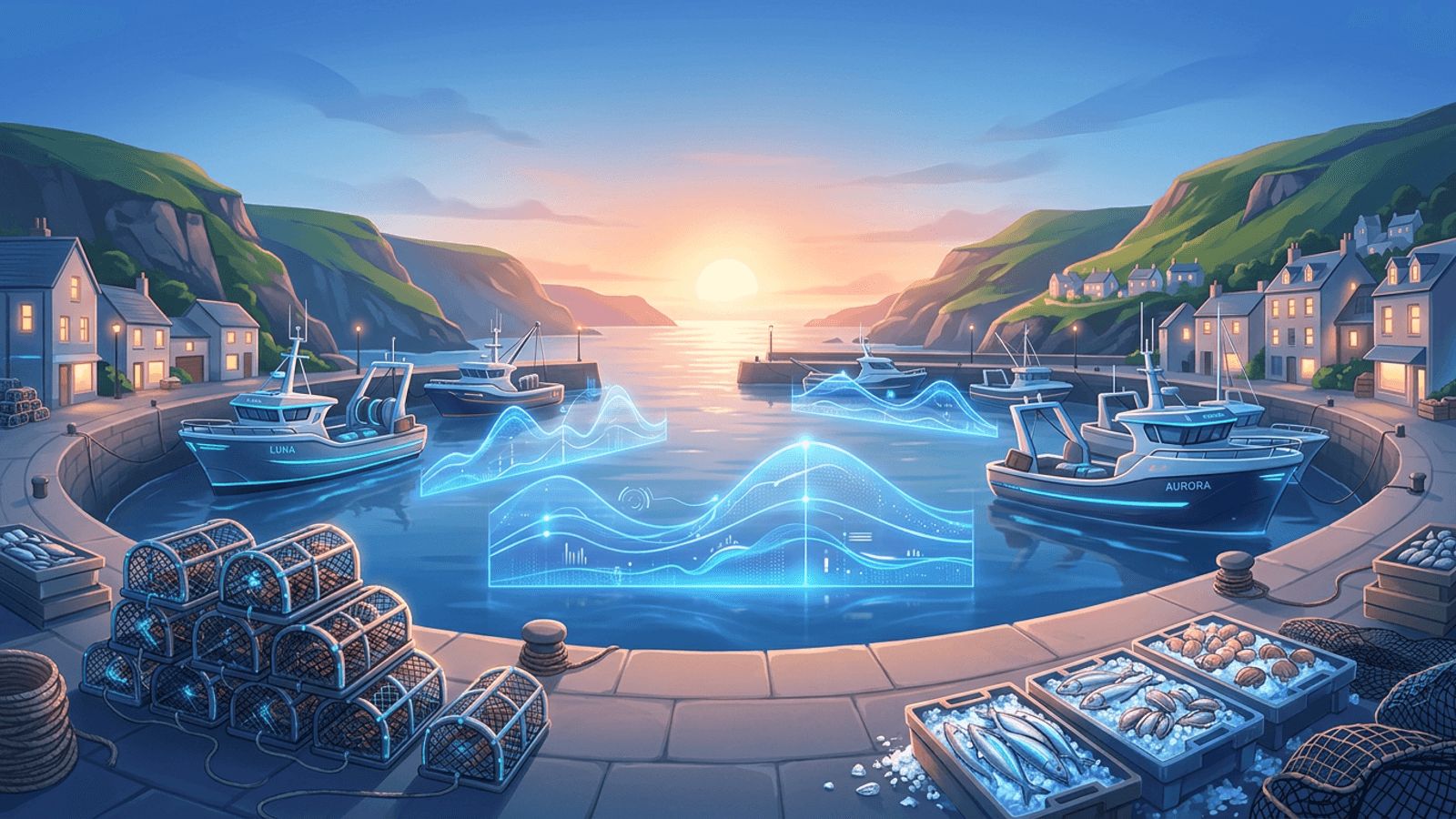
The coastline of South Hams, from the Yealm estuary to Start Point and the mouth of the Dart, has supported fishing communities for generations. Salcombe is famous for its crab and shellfish, Dartmouth has a proud maritime history, and smaller harbours and coves have long sent boats out for crab, lobster, bass and mackerel. Nearby, the major fish markets at Brixham and Plymouth handle huge volumes of the catch landed along the South Devon coast.
Today, the sector combines traditional inshore fishing with modern trading, sustainability management and a thriving seafood restaurant scene. The ten businesses and organisations below are central to the fishery industry serving South Hams.
What Defines a Strong Fishery Business
Leading fishery companies prioritise sustainable stocks, traceability, quality handling and fair prices for fishermen. Good relationships with harbour authorities, regulators and buyers ensure that catches reach restaurants and consumers in peak condition.
The Top 10 Fishery Companies Serving South Hams
1. Brixham Trawler Agents
Brixham Trawler Agents runs the auction at one of England's most important fish markets, just across the bay from Dartmouth. It connects fishing vessels with buyers, ensuring competitive prices and efficient sales for a wide variety of species landed in the region.
2. Plymouth Trawler Agents
Plymouth Trawler Agents operates the fish market auction in Plymouth, on the western edge of South Hams. It provides a major outlet for local vessels and supplies merchants, processors and restaurants across the South West.
3. Interfish
Interfish is a Plymouth-based fishing and seafood company operating vessels and processing facilities. Its scale and expertise in pelagic and demersal fisheries make it one of the most significant fishing businesses in the region.
4. Rockfish
Rockfish, founded by restaurateur Mitch Tonks, began in Dartmouth and champions sustainable, locally landed seafood. Its restaurants and seafood sales celebrate the catch from South West boats and help raise awareness of lesser-known species.
5. South Devon and Channel Shellfishermen
This association represents inshore shellfishermen working along the South Devon coast. It advocates for sustainable crab and lobster fisheries and supports the interests of the small-scale fleets that are vital to harbours such as Salcombe and Dartmouth.
6. Devon and Severn IFCA
The Devon and Severn Inshore Fisheries and Conservation Authority manages inshore fisheries and marine conservation. Its byelaws and monitoring help protect fish stocks and habitats, supporting the long-term viability of fishing in South Hams waters.
7. Seafish
Seafish is the public body that supports the UK seafood industry with research, training, standards and market insights. Its work on responsible sourcing and skills development benefits fishermen, merchants and seafood businesses across the district.
8. Dart Harbour and Navigation Authority
Dart Harbour manages the River Dart, including moorings and facilities used by commercial fishing boats. Its stewardship of the harbour supports the working waterfront that keeps Dartmouth's fishing traditions alive.
9. Salcombe Harbour Authority
Salcombe Harbour Authority oversees the Salcombe-Kingsbridge estuary, providing infrastructure and services for commercial and leisure users. Its role is essential for the shellfish boats that have made Salcombe crab famous.
10. Plymouth Fishing and Seafood Association
This association represents fishing businesses in the Plymouth area, promoting the interests of local fleets, supporting training and working with partners on market development and sustainability.
Trends in the South Devon Fishery Sector
Sustainability and traceability have become essential, with buyers and restaurants increasingly seeking certified or well-managed fisheries. Direct-to-consumer seafood sales have grown, and chefs are promoting underused species to reduce pressure on popular stocks. Technology such as electronic catch reporting and vessel monitoring is improving data and management.
Challenges Facing Local Fishermen
Inshore fishermen face fluctuating fuel costs, changing regulations, export complexities and the need to attract younger people into the industry. Collaboration between associations, regulators and buyers is helping address these challenges, while strong local demand for fresh seafood provides opportunities.
Local Insight: From Boat to Plate
Much of the shellfish landed along the South Hams coast travels remarkably short distances before reaching a plate. Crab and lobster caught off Start Point or Bolt Head may be served in a Dartmouth or Salcombe restaurant the same day, while other catches pass through the Brixham and Plymouth auctions to buyers across the UK and Europe. Seafood restaurants have become important ambassadors for this supply chain, telling diners which boat and which method produced their meal.
Frequently Asked Questions
Which species are most important locally? Brown crab, spider crab and lobster are central to inshore fleets, along with bass, mackerel, pollack and a wide range of species landed at nearby markets.
How can consumers choose sustainable seafood? Ask fishmongers and restaurants where and how seafood was caught, choose seasonal and lesser-known species, and look for well-managed or certified fisheries.
Conclusion
Fishing remains a defining part of South Hams identity. From bustling auction markets and innovative seafood businesses to the authorities and associations protecting the coast, the organisations above ensure that the catch from South Devon waters continues to reach plates sustainably and profitably.
Want your brand featured in front of decision-makers? Publish a guest post or get a link insertion in our guides through AAMAX's guest post and link insertion service.
Helpful Links
 SponsoredAAMAX — Full-Service Digital Agency
Write for Us
Share your expertise with our readers. We welcome guest contributions from industry specialists.
Pitch your idea