The Maritime Heritage of North Norfolk
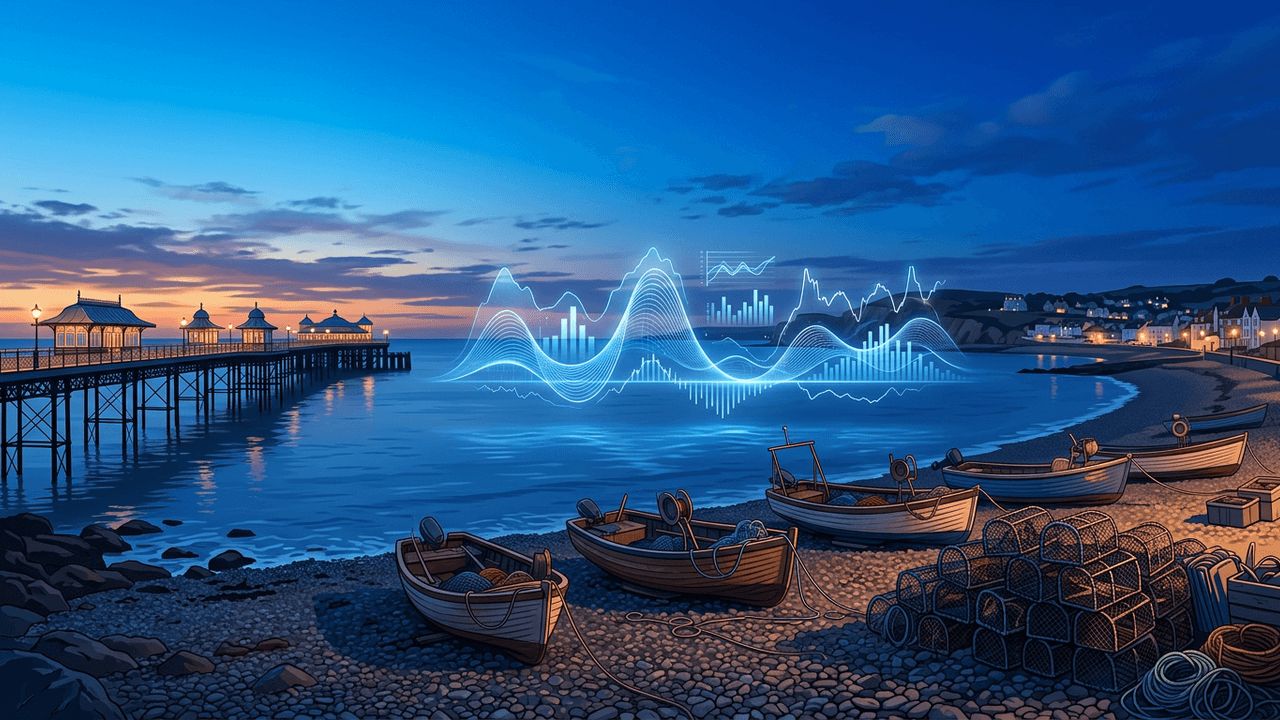
Fishing has shaped the identity of North Norfolk for centuries. Small beach-launched boats still head out from Cromer and Sheringham to haul crab and lobster pots, while the tidal creeks around Blakeney, Morston and Wells-next-the-Sea support mussel beds, oysters and whelk fisheries. The world-famous Cromer crab, prized for its high proportion of sweet white meat, remains the district's most celebrated seafood product.
Unlike large industrial ports, North Norfolk's fishery sector is made up of small, often family-run enterprises. These businesses combine traditional skills with modern standards for food safety, sustainability and traceability. Here are ten of the most respected fishery companies and seafood producers in the area.
The Top 10 Fishery Companies in North Norfolk
1. Cromer Crab Company
The Cromer Crab Company is one of the most recognisable seafood processors associated with the town. Specialising in crab and shellfish products, it supplies retailers and food service customers and has helped take the Cromer crab name to a national audience.
2. Davies Fish Shop
The Davies family has been part of Cromer's fishing story for generations. Their shop is known for freshly dressed crab and lobster caught by local boats, prepared by hand using traditional methods. It is a favourite with residents and visitors who want the authentic taste of the coast.
3. Cookie's Crab Shop
Based in Salthouse, Cookie's Crab Shop has become something of an institution. Its seafood platters and salads, served simply with views across the marshes, showcase fresh crab, prawns, smoked fish and samphire. The business reflects the relaxed, produce-led spirit of the coast.
4. Cley Smokehouse
The Cley Smokehouse has been smoking fish and meats in the village of Cley next the Sea for many years. Its kippers, bloaters, smoked salmon and pates are made using traditional smoking techniques, giving customers a taste of old-fashioned Norfolk curing expertise.
5. The Wells Whelk Sheds
Wells-next-the-Sea has long been associated with whelk fishing, and the whelk sheds near the harbour continue this tradition. Cooking and selling whelks, cockles and other shellfish, they preserve an important part of the town's working heritage.
6. Morston Mussel Growers
The sheltered creeks around Morston and Blakeney provide ideal conditions for rope-free, bottom-grown mussels. Local growers harvest plump, flavourful mussels during the colder months, supplying restaurants and fishmongers who value their clean, briny character.
7. Richard and Julie Davies
A well-known name among Cromer's fishing families, Richard and Julie Davies are associated with catching and preparing local crab and lobster. Their direct approach from boat to counter ensures exceptional freshness and supports the continuation of beach-launched fishing.
8. Sheringham Shellfish Fishermen
Sheringham's small fleet of crabbers continues to launch from the beach, much as it has for generations. These fishermen supply local shops, pubs and restaurants, and their work is closely tied to the town's lifeboat and maritime traditions.
9. Blakeney Oyster Producers
Oyster cultivation in the Blakeney area has grown in recent years, taking advantage of clean tidal waters. Local producers supply premium oysters to high-end restaurants, contributing to the district's reputation as a seafood destination.
10. Eastern Inshore Fisheries and Conservation Authority
Although not a commercial fishing company, the Eastern Inshore Fisheries and Conservation Authority plays a crucial role in managing the local fishery. It sets and enforces rules on shellfish sizes, pot limits and protected areas, helping ensure crab, lobster and mussel stocks remain sustainable for future generations.
Sustainability and the Future of Local Fishing
Sustainability sits at the heart of North Norfolk's fishery sector. Pot fishing for crab and lobster is relatively low impact, and minimum landing sizes help protect breeding stocks. Shellfish growers depend on excellent water quality, which motivates close cooperation with environmental bodies. Many local businesses are also exploring better traceability so that customers know exactly which boat or creek their seafood came from.
Challenges remain, including rising fuel costs, coastal erosion, offshore energy development and shifting marine conditions. Some studies suggest changing sea temperatures may influence crab and lobster populations, making careful monitoring more important than ever. Despite these pressures, the sector is resilient, supported by strong consumer demand for authentic local seafood.
Seafood and Tourism
Seafood is central to North Norfolk's tourism appeal. Events such as the Cromer and Sheringham Crab and Lobster Festival celebrate the catch, while pubs and restaurants across the coast build menus around dressed crab, mussels, smoked fish and samphire. For many visitors, enjoying a crab sandwich on the seafront is an essential part of a trip to the area.
- Freshness: Short supply chains mean seafood often reaches the counter within hours.
- Tradition: Techniques passed down through families give products their distinctive quality.
- Seasonality: Crab peaks in spring and summer, while mussels are best in cooler months.
Final Thoughts
The fishery companies of North Norfolk are more than suppliers of seafood; they are guardians of a coastal way of life. By choosing locally caught crab, mussels and smoked fish, customers help sustain small businesses and the fishing families who have worked this coast for generations. Whether you are a chef, retailer or visitor, these ten names represent the very best of North Norfolk's maritime food culture.
Want your brand featured in front of decision-makers? Publish a guest post or get a link insertion in our guides through AAMAX's guest post and link insertion service.
Helpful Links
 SponsoredAAMAX — Full-Service Digital Agency
Write for Us
Share your expertise with our readers. We welcome guest contributions from industry specialists.
Pitch your idea