The Sea: Lifeblood of the Western Isles
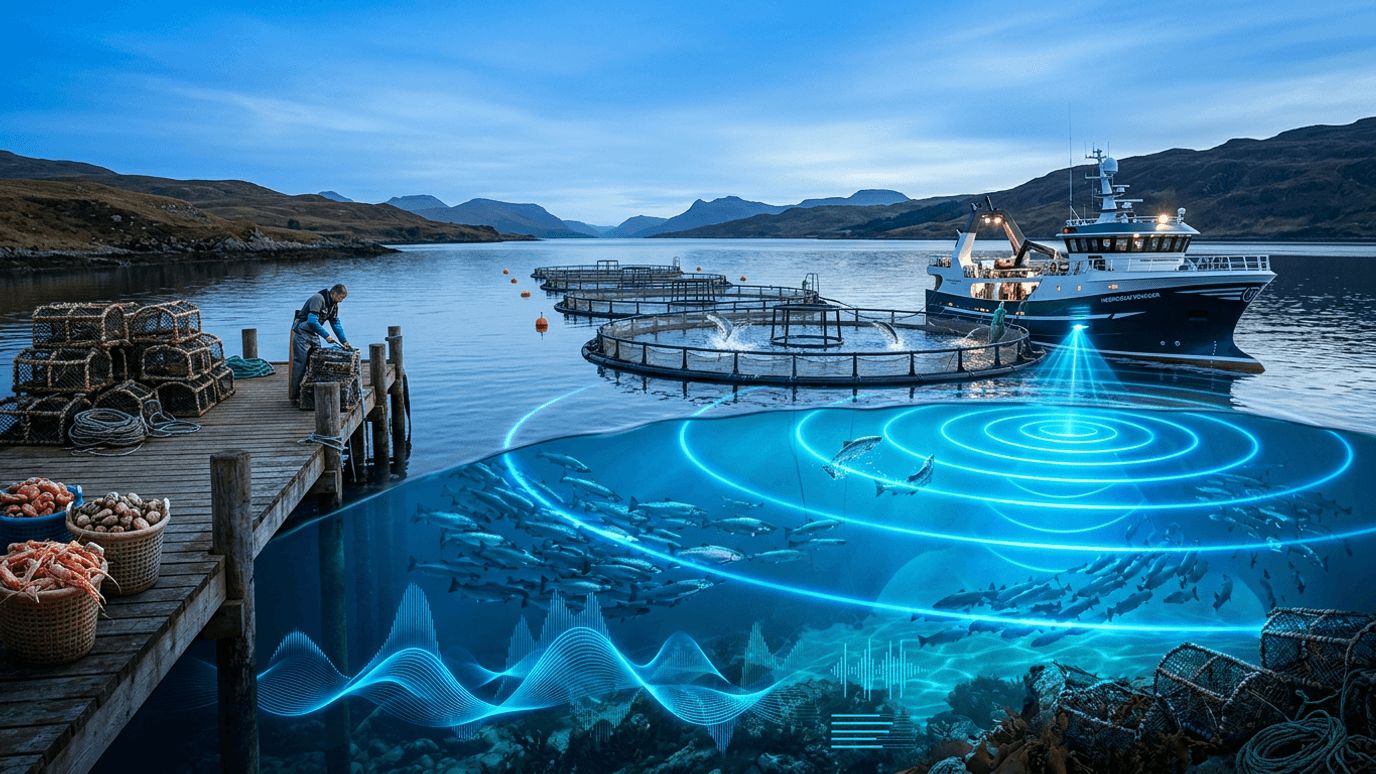
The sea has always sustained the people of Na h-Eileanan Siar. Historically, herring fishing brought huge fleets to Stornoway and Castlebay. Today, the fishing and aquaculture sectors remain among the most important industries in the islands, supporting jobs in remote communities and producing seafood prized by chefs around the world.
The islands' sheltered sea lochs provide ideal conditions for salmon farming, while inshore boats catch langoustines, crab, lobster and scallops. Seafood processors add value through smoking and preparation. This guide highlights the companies and organisations shaping the fishery sector across Lewis, Harris, the Uists and Barra.
The Top 10 Fishery Companies and Organisations
1. Mowi Scotland
Mowi Scotland is one of the largest salmon farming companies in Scotland, with farms in the Western Isles. It provides significant employment in island communities and invests in fish health, environmental monitoring and modern farming technology.
2. Bakkafrost Scotland
Bakkafrost Scotland, formerly known as the Scottish Salmon Company, operates salmon farms around Lewis and Harris. Its focus on quality and its investment in freshwater facilities support a premium Scottish salmon brand.
3. Loch Duart
Loch Duart is an independent salmon farmer known for low stocking densities and a strong focus on welfare and sustainability. With sites in North Uist and Sutherland, Loch Duart salmon is sought after by top restaurants worldwide.
4. Kallin Shellfish
Based in Grimsay, North Uist, Kallin Shellfish buys and supplies fresh shellfish from local boats, including langoustines, crab, lobster and scallops. Its close relationship with fishermen ensures freshness and traceability.
5. Hebridean Smokehouse
Hebridean Smokehouse in North Uist uses traditional peat-smoking to produce salmon, sea trout and scallops with a distinctive flavour. Its products showcase Hebridean seafood to customers far beyond the islands.
6. Western Isles Fishermen's Association
The Western Isles Fishermen's Association represents inshore fishermen, campaigning on policy, sustainability and fishing rights. It plays a key role in ensuring that island fishing communities have a voice in fisheries management.
7. Stornoway Port
Stornoway Port Authority, operating as Stornoway Port, manages the islands' main harbour, supporting fishing boats, ferries, cruise ships and energy projects. Its investment in a deep water terminal has expanded the port's capacity and economic role.
8. Salmon Scotland
Salmon Scotland is the trade body for the Scottish salmon farming sector. It represents producers, promotes Scottish salmon internationally and supports sustainability and community initiatives.
9. Seafood Scotland
Seafood Scotland promotes Scottish seafood at home and abroad, supporting fishermen, processors and exporters. Its marketing and market development work helps island seafood reach international buyers.
10. Hebridean Seaweed Company
The Hebridean Seaweed Company harvests and processes seaweed from the islands' shores. While not a fishery in the traditional sense, it represents the growing marine bio-economy that complements fishing and aquaculture.
Trends in the Hebridean Fishery Sector
Sustainability is central to the future of island fisheries. Inshore fishermen are increasingly involved in stock management, while salmon farmers invest in technology to reduce environmental impacts, including improved sea lice management and waste monitoring.
Value-added processing offers growth opportunities. Smoking, preparing and branding local seafood allows island businesses to capture more value and create jobs.
Market access remains a challenge. Transport costs, export regulations and ferry disruptions affect how quickly seafood reaches customers. Live shellfish exports, particularly to European markets, require efficient logistics.
The marine economy is diversifying, with seaweed harvesting, marine renewable energy and marine tourism complementing traditional fisheries.
Choosing Hebridean Seafood
For buyers and consumers, choosing Hebridean seafood supports island communities and offers outstanding quality. Look for traceability, sustainability certifications and information about where and how seafood was caught or farmed.
Restaurants and retailers benefit from building direct relationships with island suppliers, ensuring freshness and telling compelling provenance stories to customers.
Careers and Skills in Island Fisheries
The fishery sector offers a wide range of careers for islanders. Salmon farming requires fish health specialists, technicians, boat operators, engineers and environmental scientists. Inshore fishing provides opportunities for skippers and crew, while processing businesses need skilled staff for smoking, filleting, packing and quality control. Port operations, logistics and marine engineering add further roles.
Training pathways have improved, with colleges and industry bodies offering courses in aquaculture, marine safety and seafood processing. For young people who want to build a career without leaving the islands, the marine economy is one of the most promising options. Employers that invest in training and local recruitment help sustain population in rural communities and strengthen the long-term future of Hebridean fisheries.
Conclusion
The fishery sector remains one of the most important pillars of the economy in Na h-Eileanan Siar. From salmon farms in sheltered sea lochs to inshore boats landing langoustines and peat-smoked delicacies, the companies above showcase the quality and resilience of Hebridean seafood. With continued focus on sustainability and innovation, the islands' fishing heritage has a strong future.
Want your brand featured in front of decision-makers? Publish a guest post or get a link insertion in our guides through AAMAX's guest post and link insertion service.
Helpful Links
 SponsoredAAMAX — Full-Service Digital Agency
Write for Us
Share your expertise with our readers. We welcome guest contributions from industry specialists.
Pitch your idea