Maldon's Seafood Heritage
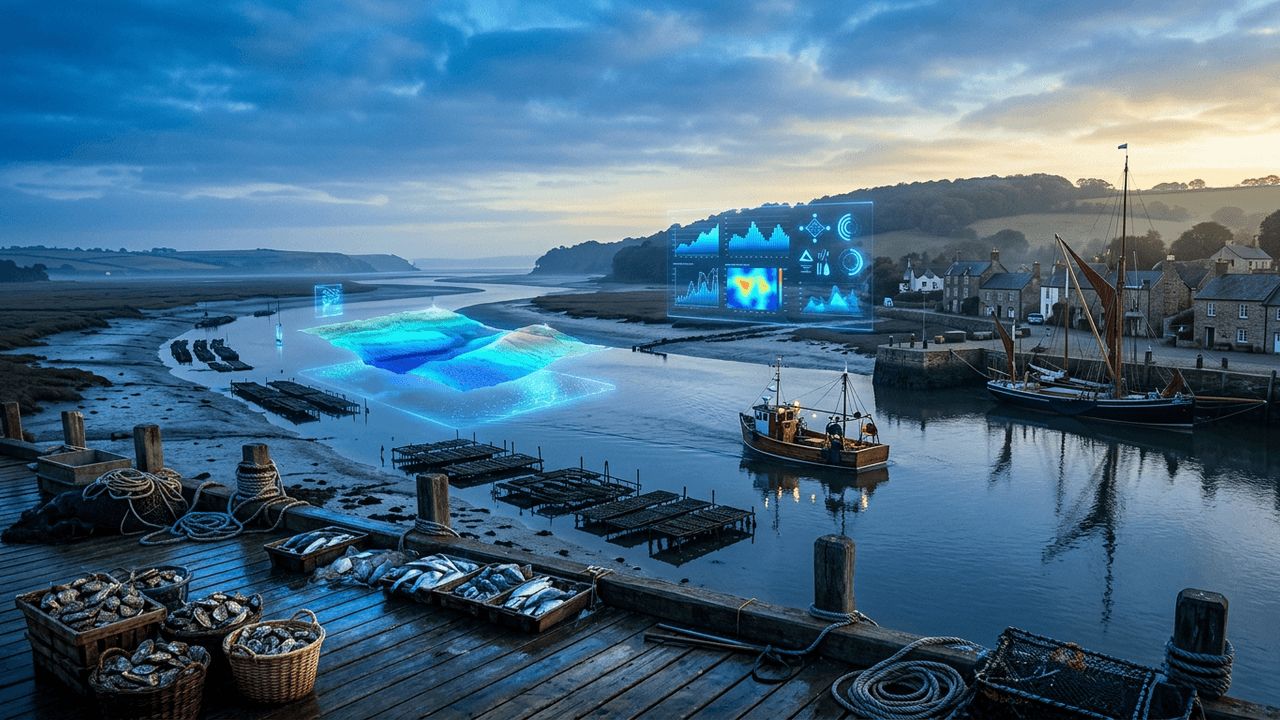
The tidal waters surrounding Maldon have shaped the town's identity for over a thousand years. The Blackwater estuary, with its creeks, saltmarshes and mudflats, has long supported oyster cultivation, inshore fishing and wildfowling. Nearby communities such as Tollesbury, West Mersea, Bradwell-on-Sea and Burnham-on-Crouch share this maritime heritage, and together they form one of the most important native oyster regions in the UK.
Today, Maldon's fishery sector combines traditional practices with modern sustainability management. Oyster growers, inshore fishermen, seafood processors and fishmongers work alongside regulators and conservation groups to protect stocks while supplying restaurants and consumers with exceptional seafood. Here are ten of the most notable fishery businesses and organisations connected with Maldon.
The Top 10 Fishery Companies Connected with Maldon
1. Tollesbury and Mersea Native Oyster Fishery Company
This historic fishery company has managed oyster grounds in the Blackwater area for generations. It plays a key role in protecting native oyster beds and supporting restoration efforts. Its long-term stewardship has helped the Blackwater become a focus for native oyster recovery projects.
2. Colchester Oyster Fishery
Based on Mersea Island, a short distance from Maldon, Colchester Oyster Fishery is one of the best-known oyster producers in the region. It cultivates both native and rock oysters and supplies restaurants, fishmongers and wholesale customers. Its reputation for quality makes it a favourite among chefs.
3. Mersea Island Oyster Producers
West Mersea is home to several family oyster businesses that have farmed the creeks for generations. Their oysters, grown in nutrient-rich estuarine waters, are celebrated for their clean, briny flavour and are served across Essex and London.
4. Blackwater Inshore Fishermen
Small-scale inshore fishermen working out of Maldon, Heybridge, Tollesbury and Bradwell catch species such as bass, sole, thornback ray, herring and seasonal shellfish. Many sell directly to local restaurants and fishmongers, supporting short supply chains and fresh, traceable seafood.
5. Burnham-on-Crouch Oyster Growers
The River Crouch, which forms the southern boundary of the Maldon district, has its own oyster heritage. Growers in Burnham-on-Crouch cultivate oysters in the river's clean waters, continuing a tradition that dates back centuries.
6. Kent and Essex Inshore Fisheries and Conservation Authority
Although a regulator rather than a commercial company, Kent and Essex IFCA is central to the health of Maldon's fisheries. It manages inshore fishing activity, monitors stocks, enforces regulations and works with fishermen to ensure the estuary remains productive for future generations.
7. Essex Native Oyster Restoration Initiative
This partnership of fishermen, scientists, conservation organisations and government bodies works to restore native oyster populations in the Blackwater, Crouch, Roach and Colne estuaries. Its efforts include establishing protected areas and reintroducing breeding oysters, helping secure the long-term future of the local fishery.
8. Maldon Fishmongers and Seafood Retailers
Independent fishmongers in and around Maldon connect the catch with consumers. They offer locally landed fish, estuary oysters and expert advice on preparation, giving residents access to fresher seafood than typical supermarket counters.
9. Smokehouses and Seafood Processors
Essex smokehouses produce smoked fish, smoked oysters and other speciality products using traditional methods. These value-added processors help fishermen get better returns and introduce local seafood to wider markets.
10. Waterfront Seafood Restaurants
Seafood restaurants along the Blackwater, including well-known shacks and dining spots on Mersea Island and in Maldon itself, are important customers for local fisheries. By championing local oysters and fish, they help sustain demand and showcase the region's culinary heritage.
The Importance of Sustainable Fisheries
Native oyster populations across Europe declined dramatically during the twentieth century due to overfishing, disease and habitat loss. The Blackwater, Crouch, Roach and Colne estuaries were designated a Marine Conservation Zone partly to protect remaining native oyster beds. This designation has encouraged a collaborative approach in which fishermen and conservationists work toward shared goals.
Sustainable practices include seasonal fishing restrictions, minimum landing sizes, gear limitations and careful monitoring of water quality. Consumers can support these efforts by choosing seasonal, locally sourced seafood and asking retailers about provenance.
Trends in Maldon's Seafood Sector
Demand for locally sourced, traceable seafood continues to grow, driven by food-conscious consumers and chefs. Estuary oysters have become a destination food, attracting visitors and boosting the local tourism economy.
Water quality is an ongoing concern and focus. Improvements to wastewater treatment and agricultural run-off management are critical to protecting shellfish beds. Fishery businesses are increasingly vocal advocates for clean water.
Aquaculture innovation is also evolving, with improved oyster cultivation techniques, trestle and bag systems, and research into disease-resistant stocks helping growers improve yields responsibly.
Frequently Asked Questions
When are Blackwater oysters in season?
Native oysters are traditionally enjoyed during the colder months, from September to April, while rock oysters are generally available year-round. Local fishmongers and restaurants can advise on what is freshest at any given time.
Can visitors buy seafood directly from local producers?
Yes. Several oyster businesses and fishmongers around Maldon and Mersea Island sell directly to the public, offering a great opportunity to taste estuary seafood at its freshest.
Conclusion
Maldon's fisheries are a living link to the town's maritime past and an important part of its future. From historic oyster companies to inshore fishermen, regulators and restaurants, these organisations work together to keep the Blackwater estuary productive and its seafood among the finest in Britain.
Want your brand featured in front of decision-makers? Publish a guest post or get a link insertion in our guides through AAMAX's guest post and link insertion service.
Helpful Links
 SponsoredAAMAX — Full-Service Digital Agency
Write for Us
Share your expertise with our readers. We welcome guest contributions from industry specialists.
Pitch your idea