Greenwich and Long Island Sound
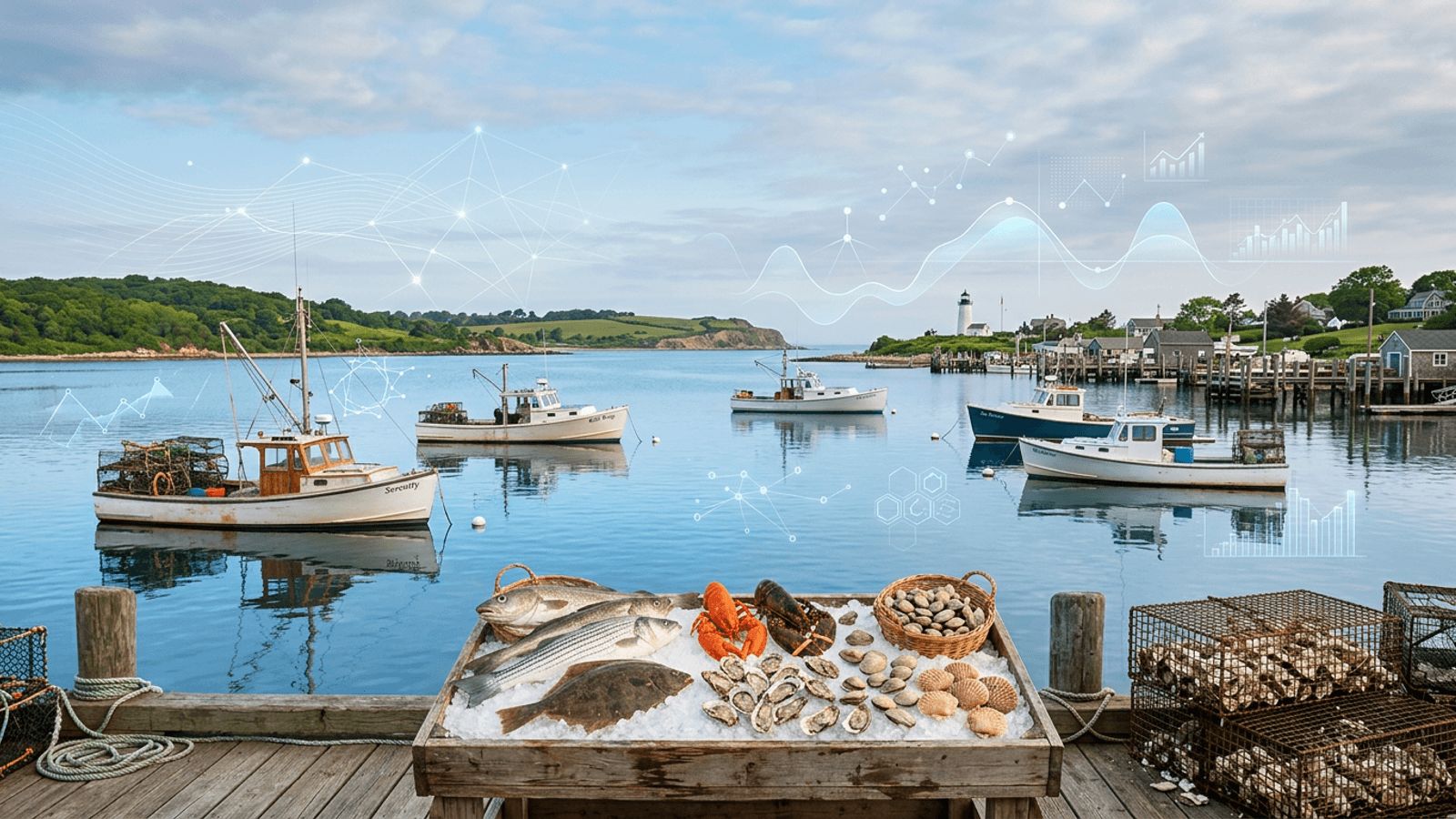
Greenwich, Connecticut stretches along a beautiful section of Long Island Sound, with harbors in Cos Cob, Old Greenwich, Byram, and Greenwich Harbor itself. The Sound has supported fishing and shellfishing for centuries, and Connecticut's oyster industry was once among the most productive in the world. Today, Greenwich's shellfish beds are managed by the town's Shellfish Commission, and a revival in sustainable aquaculture is bringing renewed attention to the region's waters.
Greenwich restaurants and home cooks also benefit from proximity to some of the nation's most important seafood markets in New York City and to the historic fishing ports of New England. Together, these connections give the town access to remarkably fresh, high-quality seafood.
What Makes an Excellent Fishery Company
The best fishery companies prioritize freshness, traceability, and sustainability. They follow responsible harvesting practices, comply with food safety regulations, and maintain an unbroken cold chain from water to plate. For restaurants, consistent supply and knowledgeable sales staff are essential, while consumers value transparency about where and how seafood was caught or farmed.
The Top 10 Fishery Companies Serving Greenwich
1. Copps Island Oysters
Copps Island Oysters, harvested by the Bloom family's Norm Bloom and Son in nearby Norwalk, is one of the best-known shellfish operations on Long Island Sound. The family has worked the Sound's waters for generations, and its briny, clean-tasting oysters are a staple on raw bars throughout Greenwich and Fairfield County.
2. Fulton Fish Market
Now located in the Bronx, the historic Fulton Fish Market is one of the largest seafood markets in the United States. Dozens of wholesalers sell fish and shellfish from around the world, and many Greenwich restaurants and fish markets rely on its vendors for variety and freshness.
3. Thimble Island Ocean Farm
Based in the Thimble Islands near Branford, Connecticut, this ocean farm grows shellfish and seaweed using a regenerative, vertical ocean farming approach. It has become a symbol of sustainable aquaculture in Long Island Sound, demonstrating how farming the ocean can also improve water quality.
4. GreenWave
GreenWave is a New Haven-based nonprofit that supports regenerative ocean farmers growing kelp and shellfish. While not a traditional fishery company, it plays a vital role in training and supporting new ocean farmers, helping build a more sustainable seafood economy along the Connecticut coast.
5. Fjord Fish Market
Fjord Fish Market is a respected Fairfield County seafood retailer with a loyal following among Greenwich residents. It is known for high-quality fresh fish, prepared seafood dishes, and knowledgeable staff who help home cooks choose the right catch for every occasion.
6. Pierless Fish
Pierless Fish is a New York-area seafood wholesaler that supplies many of the region's top restaurants. It is known for sourcing exceptional fish directly from fishermen and suppliers and for serving chefs who demand the highest quality.
7. The Lobster Place
The Lobster Place, famous for its presence in Manhattan's Chelsea Market, operates as both a retail seafood market and a wholesale supplier. It offers live lobsters, fresh fish, and shellfish, and its wholesale business serves restaurants across the metro area.
8. Foley Fish
Foley Fish, with deep roots in New England's fishing industry, is known for premium fresh fish sourced primarily from New England day boats. Its rigorous quality standards make it a trusted supplier for upscale restaurants and specialty retailers throughout the Northeast.
9. Red's Best
Boston-based Red's Best works directly with small-scale fishermen across New England, aggregating their catch and providing traceability information that tells buyers who caught their fish and where. Its model supports fishing communities and gives Greenwich chefs transparent, local sourcing options.
10. Samuels Seafood Company
Samuels Seafood Company is a large seafood distributor serving restaurants, retailers, and institutions in the Northeast. It offers a broad selection of fresh and frozen seafood, with a focus on sustainability and food safety, making it a reliable partner for high-volume kitchens.
Trends in the Seafood Industry
Aquaculture is expanding in Long Island Sound, with oyster, clam, and kelp farms providing sustainable seafood while filtering water and creating habitat. Traceability technology is helping consumers and chefs learn exactly where their seafood comes from. Climate change is affecting species distribution, with warmer waters altering local fisheries. Demand for underutilized species is rising as chefs seek sustainable alternatives to overfished varieties.
How to Choose Seafood Suppliers
Ask suppliers about sourcing, harvest dates, and sustainability certifications. For shellfish, confirm proper tagging and harvest area information as required by regulations. Restaurants should evaluate delivery frequency and consistency, while home cooks can build relationships with local fishmongers who know what is freshest each day. Supporting local shellfish farmers helps strengthen Long Island Sound's ecological and economic health.
Conclusion
Greenwich's location on Long Island Sound and near New York's great seafood markets gives it exceptional access to fresh fish and shellfish. From Copps Island Oysters and Thimble Island Ocean Farm to Fulton Fish Market and Red's Best, these ten companies combine quality, sustainability, and tradition to bring the best of the sea to Greenwich tables.
Want your brand featured in front of decision-makers? Publish a guest post or get a link insertion in our guides through AAMAX's guest post and link insertion service.
Helpful Links
 SponsoredAAMAX — Full-Service Digital Agency
Write for Us
Share your expertise with our readers. We welcome guest contributions from industry specialists.
Pitch your idea