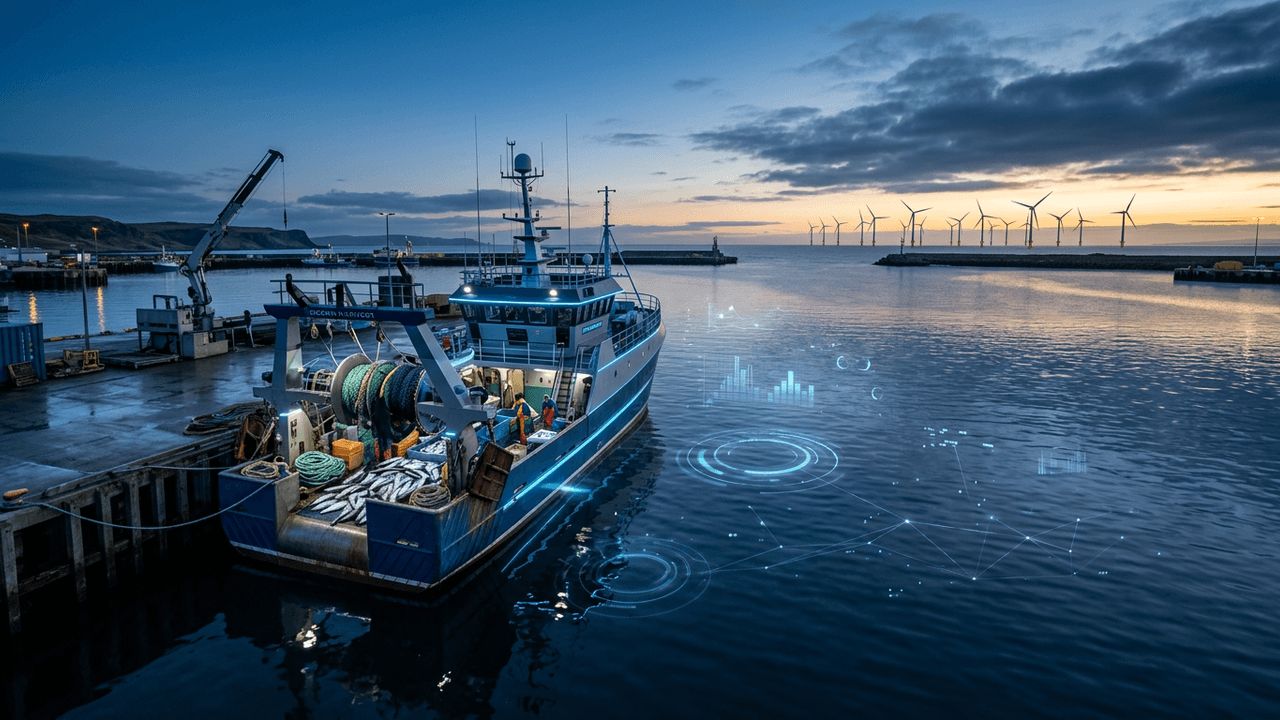
Great Yarmouth's Fishing Heritage
For centuries Great Yarmouth was synonymous with the herring. At the height of the industry in the early twentieth century, hundreds of drifters worked from the port and thousands of Scottish fisher girls travelled south each autumn to gut and pack the catch along the quays. The collapse of North Sea herring stocks in the mid twentieth century ended that era, but the town's relationship with the sea never disappeared.
Today the port is better known for offshore energy, yet fishing, seafood processing, fisheries science and marine regulation remain part of the local and regional economy. The organisations below represent the most significant fishery businesses and bodies that operate in, or directly serve, Great Yarmouth and the surrounding East Anglian coast.
The Top 10 Fishery Companies and Organisations
1. Peel Ports Great Yarmouth
Peel Ports operates the Port of Great Yarmouth, including its deep-water outer harbour and river berths. While energy and cargo dominate modern activity, the port provides the infrastructure, berthing and services that fishing and survey vessels depend on. Its investment keeps Great Yarmouth relevant as a working maritime town.
2. Eastern Inshore Fisheries and Conservation Authority
The Eastern IFCA manages sea fisheries out to six nautical miles along the coast from Lincolnshire to Suffolk, including the waters off Great Yarmouth. It sets byelaws, monitors shellfish beds, carries out enforcement patrols and balances commercial fishing with marine conservation. For local fishers, it is the most important day-to-day regulator.
3. Cefas
The Centre for Environment, Fisheries and Aquaculture Science is based in nearby Lowestoft and is one of the world's leading marine science organisations. Its stock assessments, research vessels and laboratories inform fishing quotas and environmental policy. The presence of Cefas makes this stretch of coast a genuine centre of fisheries expertise.
4. Seafish
Seafish is the public body that supports the UK seafood industry. It provides training, market insight, responsible sourcing guidance and promotion of British seafood. Small fishing businesses and fishmongers around Great Yarmouth benefit from its safety courses, economic data and consumer campaigns that encourage people to eat a wider range of species.
5. Marine Management Organisation
The Marine Management Organisation licenses fishing vessels, manages quota for the under-ten-metre fleet and oversees marine planning. With offshore wind farms expanding off the Norfolk coast, its role in balancing fishing grounds against energy development is increasingly important to the local fleet.
6. Lowestoft Fish Market
Just along the coast, Lowestoft's fish market remains the nearest major landing and auction point for the region. Fishers working the waters off Great Yarmouth often sell through it, and local fishmongers and restaurants buy there to secure fresh North Sea catches such as sole, plaice, skate and cod.
7. Cromer Crab Company
The Norfolk coast is famous for its sweet brown crab, and the Cromer Crab Company is one of the best-known processors of crab and other shellfish in the county. It supplies retailers and food service businesses nationwide, showing how Norfolk seafood has built a premium reputation.
8. Young's Seafood
Young's Seafood is one of the UK's largest seafood brands. Although headquartered in Grimsby, its products are sold throughout Great Yarmouth's supermarkets and its sourcing policies influence the wider industry. The company has been a notable voice in responsible sourcing and certified fisheries.
9. The Fishermen's Mission
The Fishermen's Mission is a charity that provides emergency support, welfare and practical help to fishers and their families. In coastal communities like Great Yarmouth, where fishing remains one of the most dangerous occupations, its work offers a vital safety net during accidents, bereavement or financial hardship.
10. Time and Tide Museum
Housed in a former herring curing works, the Time and Tide Museum preserves the story of Great Yarmouth's fishing industry. Its immersive displays of smokehouses, quaysides and fishing vessels help residents and visitors understand the heritage that shaped the town, and it supports education about sustainable fishing today.
Trends Shaping Fisheries on the Norfolk Coast
Several forces are reshaping the local fishery sector. Offshore wind development brings investment and jobs but also affects access to traditional fishing grounds, making cooperation between developers and fishers essential. Sustainability certification is becoming a baseline requirement for many buyers, while traceability technology allows restaurants to tell customers exactly where and when their fish was landed.
The inshore fleet is also exploring direct sales, supplying local restaurants, farmers markets and online customers to capture more value from each catch. Shellfish, including crab, lobster and whelks, has become increasingly important as fin-fish quotas remain tight. Meanwhile, recruitment of younger fishers remains a challenge that training bodies and charities are working to address.
Why These Organisations Matter
A healthy fishery depends on more than boats. It needs port infrastructure, credible science, fair regulation, efficient markets, strong brands and community support. The organisations profiled here collectively provide that ecosystem, ensuring that Great Yarmouth's maritime identity continues into a new century.
Conclusion
Great Yarmouth's days as the world's herring capital may be over, but the town remains closely linked to the fishing and seafood industry. From the regulators and scientists who protect stocks to the processors and charities who support the people behind the catch, these ten organisations show how the region's fishery sector continues to adapt, innovate and honour its remarkable heritage.
Want your brand featured in front of decision-makers? Publish a guest post or get a link insertion in our guides through AAMAX's guest post and link insertion service.
Helpful Links
 SponsoredAAMAX — Full-Service Digital Agency
Write for Us
Share your expertise with our readers. We welcome guest contributions from industry specialists.
Pitch your idea