

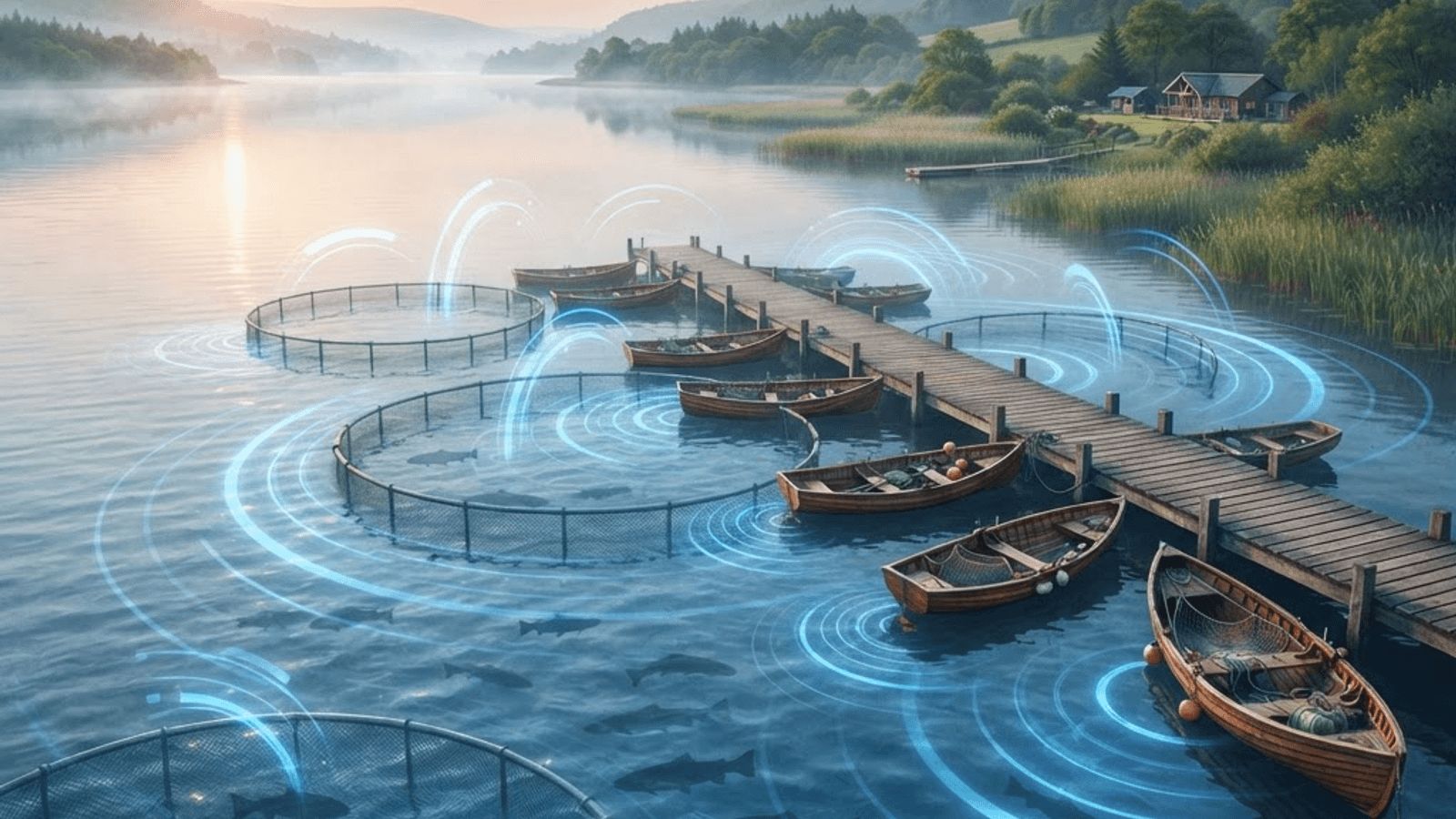
A District Defined by Water
Water shapes Fermanagh and Omagh more than almost any other feature. Lough Erne, divided into its upper and lower basins, extends across a large part of County Fermanagh and connects through the Shannon Erne Waterway to the wider Irish navigation network. The River Erne, the Sillees, the Colebrooke, the Strule, the Drumragh, the Camowen, the Owenkillew and the Glenelly all run through the district, and together they create a freshwater fishery of genuine international standing.
The angling here is varied and high quality. The Erne system is renowned for coarse fishing, with bream, roach, hybrids, tench, perch and pike in substantial numbers. The Sperrin rivers around Omagh offer excellent game fishing for brown trout and salmon, with the Owenkillew and Glenelly in particular recognised for their conservation value. This diversity supports fishery businesses ranging from angling tourism operators to trout farms and conservation trusts.
The Economics of Angling Tourism
Angling is a serious tourism sector for the district. Visiting anglers, historically arriving in significant numbers from Great Britain and mainland Europe, stay longer than average tourists and spend across accommodation, hospitality, boat hire, tackle and guiding. Because they travel outside peak holiday periods, they help extend the tourism season considerably, which matters enormously to rural accommodation providers.
Competition angling has been a notable draw, with the Erne system hosting large coarse fishing festivals that fill guesthouses across the lakelands. Game angling attracts a different, often higher spending visitor seeking wild brown trout and salmon in scenic river settings. Both segments depend absolutely on fish stocks and water quality, which is why fishery management is an economic issue and not merely an environmental one.
Ten Leading Fishery Companies and Operations
1. Lough Erne Angling Services provides guided coarse and pike angling across the upper and lower loughs, supplying boats, engines, local knowledge and swim preparation for visiting groups and competition anglers.
2. Erne Boat and Tackle Hire operates a fleet of angling boats with engines and safety equipment, alongside tackle supply and bait, serving both independent visitors and organised angling parties.
3. Sperrin Rivers Game Fishing focuses on wild brown trout and salmon angling on the rivers around Omagh, offering ghillie services, casting instruction and access arrangements on managed beats.
4. Fermanagh Trout Farm and Hatchery produces rainbow and brown trout for stocking still water fisheries and for the table, operating under strict fish health and biosecurity protocols.
5. Drumragh Fishery Management Group works on habitat restoration, including gravel cleaning, bank stabilisation, fencing to exclude livestock and removal of barriers to fish migration on local watercourses.
6. Lakeland Coarse Fishing Tourism packages accommodation, boat hire and guiding for visiting coarse anglers, coordinating multi day trips and hosting competition events during the main festival season.
7. Clogher Valley Still Water Fisheries manages stocked lakes offering accessible trout and coarse angling, well suited to families, beginners and anglers who prefer bank fishing to boat work.
8. Westside Aquaculture Supplies equips fish farms and fisheries with aeration systems, netting, feed, water testing equipment and pond management products.
9. Omagh Angling Club Services reflects the strong club tradition in the area, managing beats, issuing permits, running junior coaching and organising conservation work parties on local rivers.
10. Enniskillen Freshwater Conservation Trust undertakes monitoring, invasive species control, water quality surveying and educational outreach, providing the scientific evidence base that fishery management decisions depend upon.
Species, Stocks and Management
Freshwater fishery management is a careful balancing exercise. Pike are a native and valued sporting species, but predation pressure must be considered alongside coarse stocks. Salmon numbers have declined across the north Atlantic, prompting conservation measures including catch and release, mandatory reporting and closed seasons on vulnerable rivers. Wild brown trout populations depend heavily on spawning gravel condition and juvenile habitat in headwater streams.
Invasive species present a persistent threat. Zebra mussels have been established in the Erne system for some years, altering water clarity and ecology. Other invasive plants and aquatic organisms spread readily on boats, waders and nets. Biosecurity discipline, cleaning, draining and drying equipment between waters, is now a basic responsibility for every angler and operator.
Water Quality Challenges
Nutrient enrichment is the most serious pressure on the district's fisheries. Phosphorus entering watercourses from agricultural runoff, septic tanks and wastewater treatment promotes algal growth, which reduces oxygen and light and damages fish habitat. Algal blooms on Lough Neagh in recent years sharpened public awareness of the issue across Northern Ireland, and Lough Erne faces related pressures.
Addressing this requires cooperation between farming, water services, councils and fishery interests. Practical measures include riparian buffer strips, improved slurry storage and spreading practice, wetland creation and septic tank upgrades. Progress is measurable but slow, and sustained investment is essential if the angling resource is to be protected.
The Future of Fisheries in the District
The outlook is cautiously positive. Interest in outdoor recreation has grown, and angling offers exactly the kind of low impact, nature connected activity that visitors increasingly seek. Improved facilities, accessible platforms for anglers with disabilities and better promotion of the district's game rivers all create opportunity. Climate change brings risk, with warmer water and more extreme flow variation affecting salmonid species in particular, making habitat resilience work more important than ever.
Final Thoughts
The fishery sector in Fermanagh and Omagh combines outstanding natural resources with dedicated management and a valuable tourism economy. Its future depends on water quality above all else, and on continued cooperation between anglers, farmers, conservation bodies and public agencies to protect one of the district's greatest assets.
Want your brand featured in front of decision-makers? Publish a guest post or get a link insertion in our guides through AAMAX's guest post and link insertion service.
Helpful Links
 SponsoredAAMAX — Full-Service Digital Agency
Write for Us
Share your expertise with our readers. We welcome guest contributions from industry specialists.
Pitch your idea

