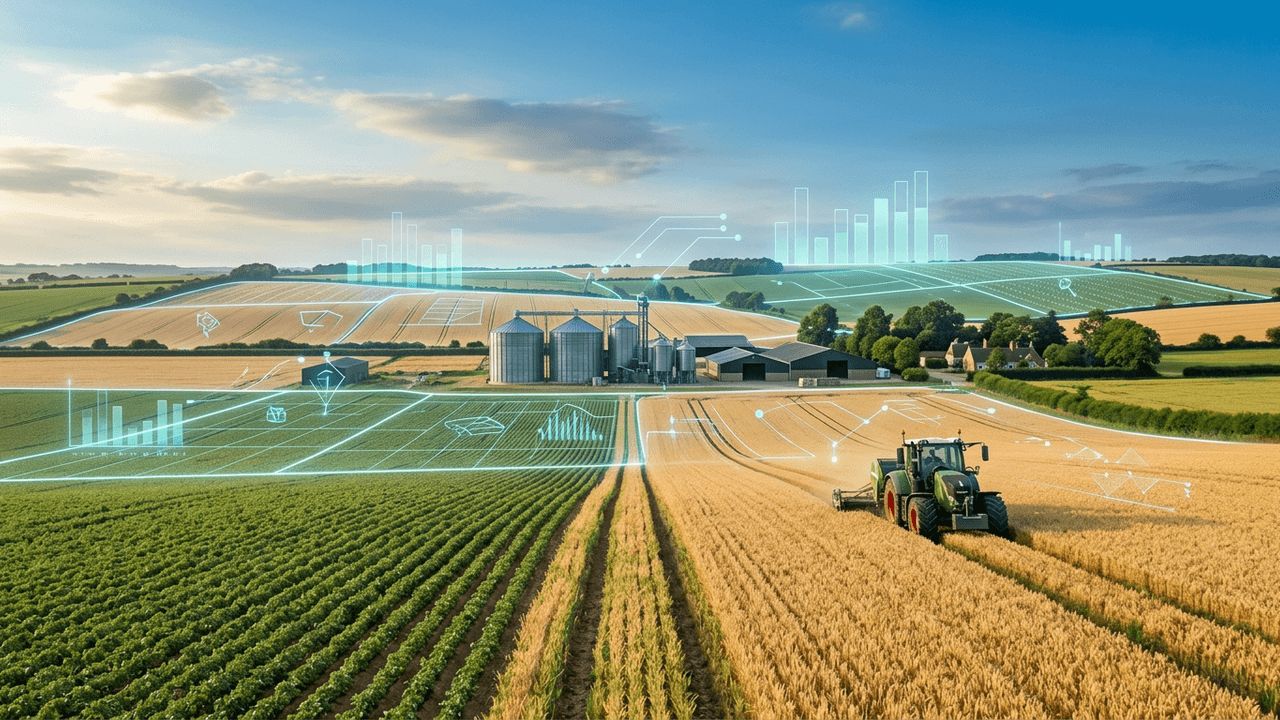
Farming in the Heart of Lincolnshire
Lincolnshire is often called the breadbasket of England, and West Lindsey is a major contributor to that reputation. The district's landscape ranges from the Trent Vale near Gainsborough to the chalk uplands of the Lincolnshire Wolds around Caistor and Market Rasen. These varied soils support wheat, barley, oilseed rape, sugar beet, potatoes, vegetables and livestock, making farming a cornerstone of local employment and identity.
Modern farming here is a sophisticated business involving precision technology, grain marketing, food processing and environmental stewardship. The ten companies below represent a mix of producers, co-operatives, processors and farm-based enterprises that play significant roles in the district's agricultural economy.
The Top 10 Farming Companies and Agri-Businesses
1. Frontier Agriculture
Frontier is the UK's leading crop production and grain marketing business, supplying seed, crop protection, fertiliser and agronomy advice. Its grain storage and trading operations give West Lindsey growers access to domestic and export markets. Frontier's agronomists are highly regarded for helping farmers balance yield with soil health and sustainability.
2. Openfield
Openfield is a farmer-owned grain co-operative with deep roots in Lincolnshire. It markets grain, oilseeds and pulses on behalf of members and supplies seed and inputs. Its co-operative model means profits are reinvested for the benefit of growers, making it a popular choice among family farms in the district.
3. Branston
Branston is one of the UK's leading potato suppliers, headquartered near Lincoln. It grows, packs and processes potatoes for major retailers and works with a network of Lincolnshire growers. Its investment in storage technology and potato-based food innovation has made it a key buyer for farmers across the county.
4. Moy Park
Moy Park is one of Europe's top poultry producers and a significant employer in Lincolnshire. It works with contract growers across the county, supporting rural livelihoods and diversification. Its focus on animal welfare standards and farm assurance schemes sets benchmarks for the poultry industry.
5. Woldmarsh Producers
Woldmarsh is a Lincolnshire farmer-owned buying group that helps members secure better prices on fertiliser, fuel, crop protection, machinery and services. By pooling purchasing power, it helps small and medium-sized farms in the Wolds and beyond remain competitive in a challenging market.
6. Agrii
Agrii provides agronomy, seed and technical services backed by an extensive trials network. Its research into regenerative practices, variety performance and precision farming supports West Lindsey growers seeking data-driven decisions to improve yields and reduce input costs.
7. Uncle Henry's Farm Shop
Located near Grayingham in the north of the district, Uncle Henry's is a much-loved family farm enterprise that combines pig farming with a farm shop, butchery and café. It is a shining example of successful farm diversification, connecting local shoppers directly with Lincolnshire-produced food.
8. British Sugar
British Sugar contracts thousands of growers across eastern England to produce sugar beet, a valuable break crop in arable rotations. Lincolnshire farmers supply its processing factories, and the company's agronomy support and research programmes help growers achieve consistent yields.
9. Lincolnshire Field Products
Lincolnshire Field Products is a leading grower, packer and marketer of brassicas and field vegetables. Working with growers across the county, it supplies major retailers with broccoli, cauliflower and other vegetables, showcasing the county's strength in fresh produce.
10. Lincolnshire Agricultural Society
While not a farming company in the traditional sense, the Lincolnshire Agricultural Society plays a vital role in promoting local agriculture. It organises the Lincolnshire Show, educational programmes for schools and events that celebrate farming, rural skills and food production across the region.
Trends Shaping West Lindsey Agriculture
Farming in the district is evolving quickly. The transition from the Basic Payment Scheme to Environmental Land Management schemes rewards farmers for delivering environmental benefits such as hedgerow management, cover crops and soil protection. Precision farming technologies, including GPS-guided machinery, variable-rate application and drone crop monitoring, are now widely adopted. Renewable energy, including solar and anaerobic digestion, offers diversification income, while rising input costs are encouraging more collaborative buying and regenerative practices.
Why These Companies Stand Out
The businesses on this list share several qualities: a commitment to supporting growers, investment in innovation, strong links to Lincolnshire communities and a focus on sustainable production. Whether they operate as co-operatives, processors or diversified farms, they help keep value within the local economy and ensure that West Lindsey remains a productive agricultural district.
Frequently Asked Questions
What are the main crops grown in West Lindsey? Winter wheat is the dominant crop, followed by barley, oilseed rape and sugar beet. Potatoes and field vegetables are grown on suitable soils, while the Wolds support mixed farming with sheep and cattle alongside arable rotations.
How are farming businesses diversifying? Many farms now generate additional income from farm shops, holiday lets, renewable energy, equestrian services and environmental schemes. Enterprises such as Uncle Henry's show how direct selling can build strong local brands and reconnect consumers with where their food comes from.
What support is available to new entrants? Co-operatives, agricultural colleges, the Lincolnshire Agricultural Society and national bodies offer training, mentoring and networking. Joining a buying group or grain co-operative can also give smaller or newer farm businesses the scale advantages normally reserved for larger estates, helping them compete on input costs and market access.
Conclusion
West Lindsey's farming sector blends tradition with cutting-edge technology. From grain co-operatives and vegetable packers to farm shops that welcome local families, these ten companies demonstrate the diversity and resilience of Lincolnshire agriculture. For anyone interested in the district's rural economy, they offer a clear picture of how farming continues to feed the nation and sustain local communities.
Want your brand featured in front of decision-makers? Publish a guest post or get a link insertion in our guides through AAMAX's guest post and link insertion service.
Helpful Links
 SponsoredAAMAX — Full-Service Digital Agency
Write for Us
Share your expertise with our readers. We welcome guest contributions from industry specialists.
Pitch your idea