Farming in the Stroud District
Agriculture around Stroud is shaped by an unusual variety of land within a small area. To the east, the Cotswold escarpment offers thin, free-draining brashy soils over limestone, historically grazed by sheep whose wool built the district's wealth. To the west, the Severn Vale provides heavier clay loams that support dairy and arable production. Between them lie the Five Valleys themselves, steep and often awkward for machinery, where small mixed holdings and horticulture have persisted.
The district also holds a distinctive place in British agricultural history as a centre of biodynamic and organic farming. That legacy, combined with a local population unusually engaged with food provenance, has created strong direct-sale markets and a farming community that experiments more readily than most. Stroud farmers' market is among the most established in the country and has provided a viable route to market for small producers for decades.
What Defines a Strong Farming Business Today
Profitability in UK farming now depends on more than yield. With the Basic Payment Scheme phased out and replaced by environmental land management schemes, businesses that can stack income from food production, environmental delivery, diversification and direct sales are the most resilient. Soil health, water management and biodiversity are no longer peripheral concerns but central to both compliance and long-term productivity.
1. Five Valleys Organic Farms
One of the district's best-known organic operations, this business runs mixed livestock and arable production under full organic certification. Rotational grazing, diverse leys and composting underpin its soil strategy. Produce reaches consumers through farm shop sales, box schemes and supply to independent retailers, capturing substantially more value than commodity routes would allow.
2. Cotswold Escarpment Sheep Company
Grazing the limestone grassland above the town, this sheep enterprise combines commercial lamb production with conservation grazing agreements. Its flock helps maintain species-rich calcareous grassland, one of the most biodiverse habitats in lowland England, while producing lamb marketed on the strength of that provenance. Wool is increasingly sold into British textile supply chains rather than treated as a by-product.
3. Severn Vale Dairy Holdings
Operating on the heavier soils west of Stroud, this dairy business runs a grass-based system with block calving aligned to grass growth. Investment in slurry handling, cow comfort and herd health has improved both efficiency and welfare outcomes. Milk is supplied to regional processors, with a proportion used for on-farm cheese and yoghurt production sold locally.
4. Stroudwater Market Garden Enterprises
Horticulture on a human scale, this business produces vegetables, salads and soft fruit on intensively managed ground close to the town. No-dig techniques, extensive composting and protected cropping extend the season considerably. Supply routes include the farmers' market, restaurants and a weekly vegetable box subscription that has built a loyal customer base.
5. Thrupp Regenerative Arable
This arable enterprise has transitioned to direct drilling, cover cropping and reduced inputs, monitoring soil organic matter and infiltration rates to evidence progress. Yields stabilised after an initial transition dip while input costs fell markedly, improving margin per hectare. The business shares data openly at farmer discussion groups, contributing to wider regional knowledge.
6. Brimscombe Poultry and Egg Producers
Free-range egg production with pasture-based ranging and tree planting to encourage birds to use the full range area characterises this operation. Mobile housing allows ground rotation, improving bird health and pasture condition. Eggs supply independent retailers, bakeries and caterers across Gloucestershire, with strong demand for locally produced, traceable product.
7. Rodborough Common Grazing Partnership
Common land grazing is a distinctive feature of the Stroud area, and this partnership manages cattle across commons that are both public open space and protected habitat. Balancing public access, conservation objectives and livestock welfare requires considerable skill. The resulting beef is marketed on its conservation credentials and grass-fed profile.
8. Painswick Valley Fruit and Cider Farms
Traditional orchards were once widespread across Gloucestershire, and this business has restored and expanded orchard plantings of heritage apple and perry pear varieties. Fruit supplies juice and cider production, while the orchards themselves deliver biodiversity value as priority habitat. Seasonal events and orchard tours add a visitor income stream.
9. Stonehouse Mixed Farming Group
Combining arable rotation with beef finishing and contract farming services, this group spreads risk across enterprises and land types. Machinery sharing and contracting work improve equipment utilisation, an important consideration given the capital intensity of modern agriculture. Environmental scheme agreements cover hedgerow management, field margins and winter bird food plots.
10. Nailsworth Agroforestry and Smallholding Network
Completing the list, this network coordinates smallholders and agroforestry projects across the southern valleys, integrating trees with grazing and cropping. Silvopasture systems provide shade and shelter for livestock, additional forage and long-term timber value. Collective marketing and shared equipment make small-scale production more viable than it would be individually.
Trends Shaping Stroud Agriculture
Environmental land management is the defining policy shift. Payments for soil health, habitat creation, water quality and carbon are now a meaningful income stream, and businesses that integrate these into farm planning rather than treating them as an afterthought perform better financially and ecologically.
Direct-to-consumer sales continue to grow. Stroud's population is willing to pay for provenance, and short supply chains retain margin that would otherwise be lost. Box schemes, farm shops and community supported agriculture models are all well represented locally.
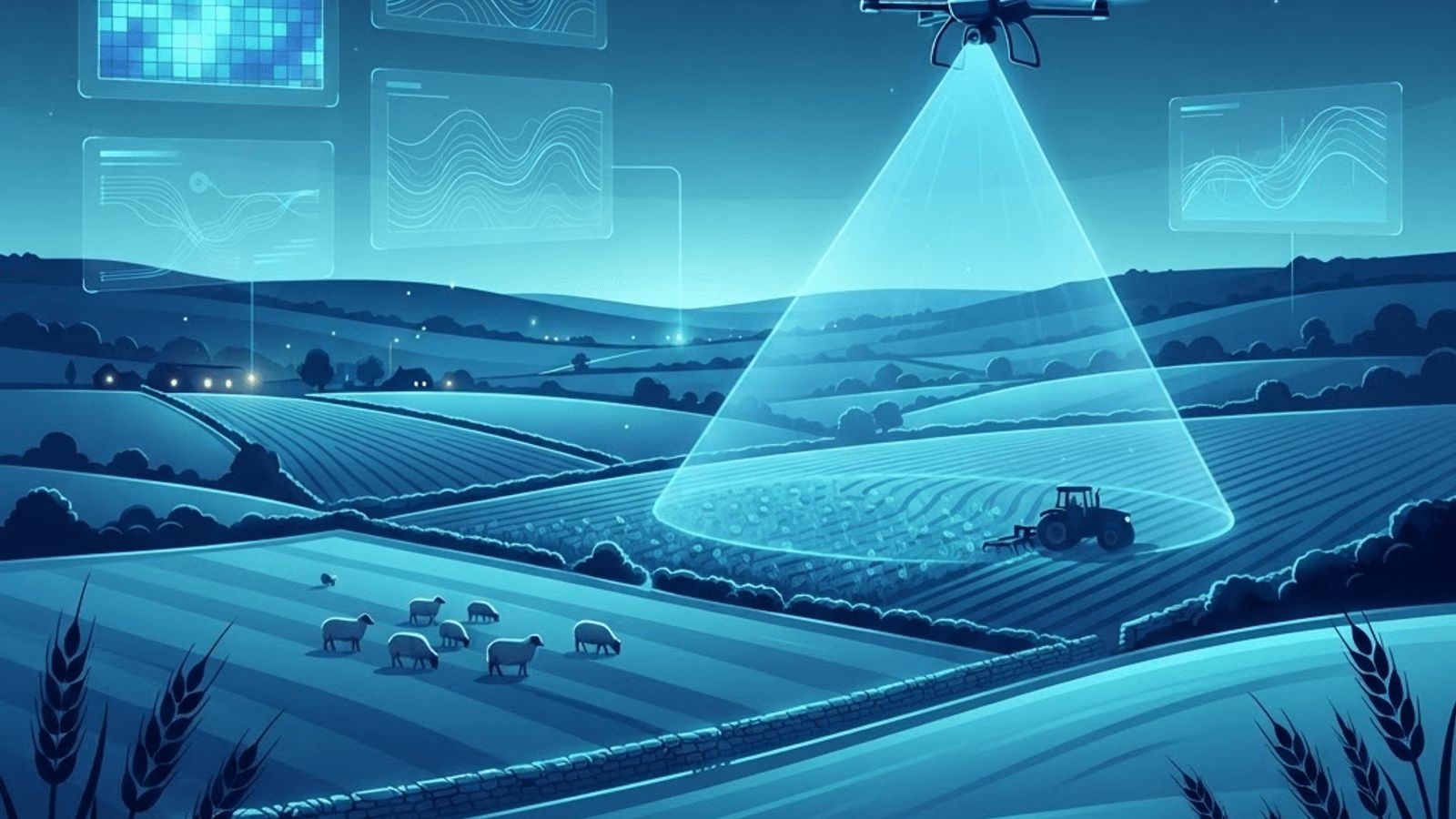
Technology adoption is uneven but advancing. Soil mapping, variable-rate application, livestock monitoring collars and farm management software are increasingly common even on modest holdings, driven by both cost pressure and record-keeping requirements.
Climate adaptation is an urgent practical concern. Wetter autumns and drier summers have disrupted established field operation windows, pushing farmers towards more flexible rotations, greater soil resilience and improved water storage.
Looking Ahead
The farming businesses succeeding around Stroud share a willingness to rethink assumptions, whether about tillage, grazing, marketing or the role of trees in productive systems. Supported by an engaged local food culture and a landscape that rewards careful management, the district remains one of the more interesting places in England to watch agriculture evolve.
Want your brand featured in front of decision-makers? Publish a guest post or get a link insertion in our guides through AAMAX's guest post and link insertion service.
Helpful Links
 SponsoredAAMAX — Full-Service Digital Agency
Write for Us
Share your expertise with our readers. We welcome guest contributions from industry specialists.
Pitch your idea