Farming at the Heart of South Hams
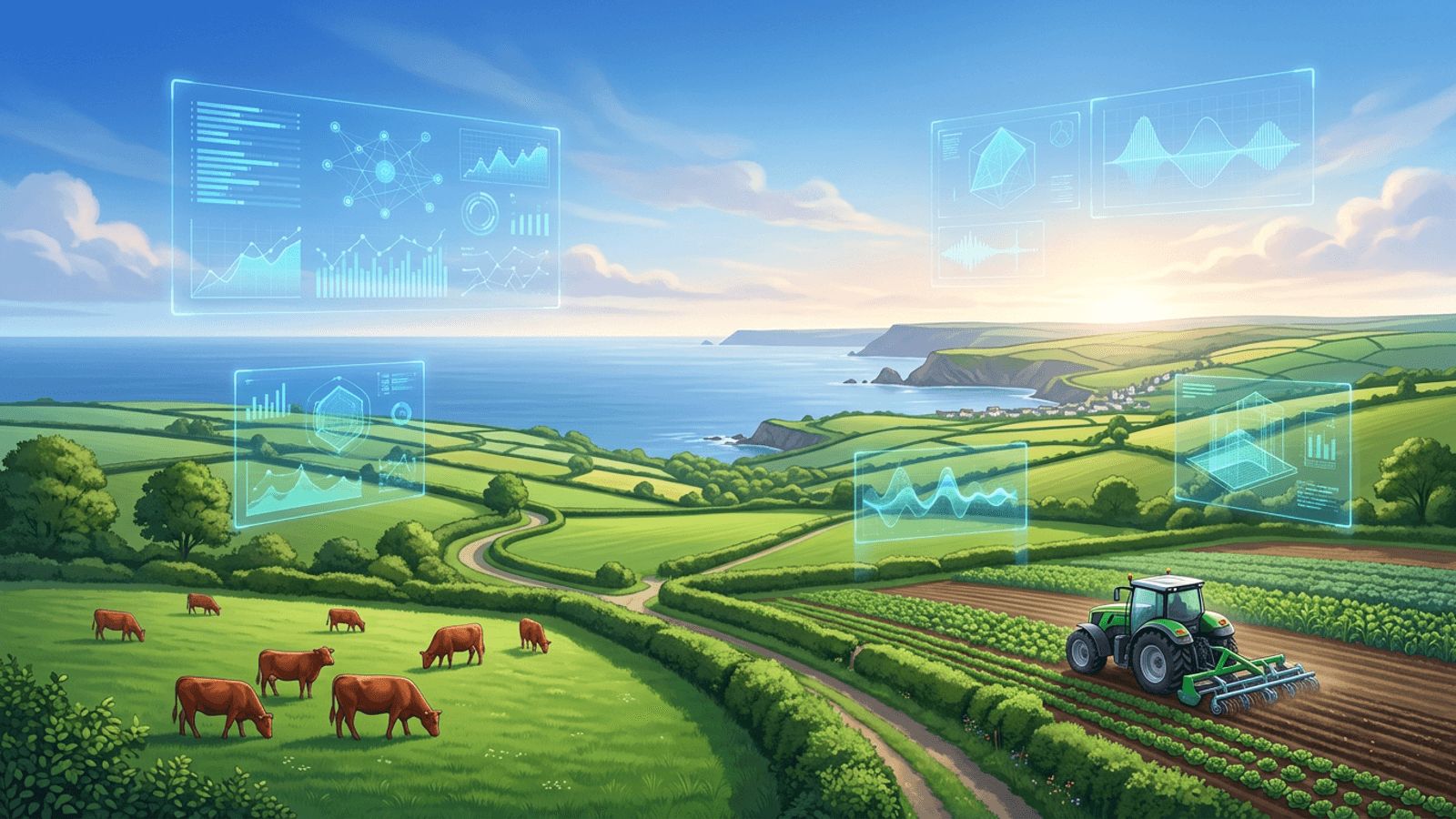
Stretching from the southern edge of Dartmoor to the dramatic coastline between Plymouth Sound and the Dart estuary, South Hams is a patchwork of fertile fields, ancient hedgerows and sheltered valleys. Its mild climate and rich red soils have supported agriculture for centuries, and the district remains a stronghold of mixed farming, dairy, beef, sheep and horticulture. The famous South Devon cattle breed is closely associated with this part of the county.
In recent decades, South Hams has also become a centre for organic and regenerative farming, with innovative businesses attracting national attention. The ten farming companies below represent the diversity, innovation and heritage of the district's agricultural sector.
What Makes a Leading Farming Business
The most respected farms combine productive land management with environmental stewardship, animal welfare, strong community links and direct relationships with customers. Diversification into farm shops, visitor attractions and food production has also become a hallmark of successful farms in the area.
The Top 10 Farming Companies in South Hams
1. Riverford Organic Farmers
Riverford began on a family farm near Totnes and grew into one of the UK's best-known organic food businesses. Its veg box scheme delivers seasonal produce nationwide, and its employee-ownership model and commitment to organic principles have made it a landmark of ethical farming.
2. Sharpham Estate
Sharpham Estate occupies a stunning position above the River Dart and is known for its vineyard, wines and cheeses. It demonstrates how diversified farming can combine agriculture, food production and hospitality while respecting a beautiful landscape.
3. Langage Farm
Langage Farm is a family dairy business producing clotted cream, yoghurt, ice cream and cheese from its own herd. Its vertically integrated approach, from grass to finished product, highlights the strength of Devon's dairy heritage.
4. Dartington Estate
The Dartington Estate, managed by the Dartington Hall Trust, has a long tradition of agricultural experimentation and land-based enterprise. Today it hosts a range of farming and food ventures focused on regenerative practice, agroforestry and sustainable land use.
5. Ben's Farm Shop
Ben's Farm Shop is closely connected to the Riverford story and showcases organic and local produce in a farm retail setting. It offers residents and visitors a direct link to seasonal food grown in and around the Dart valley.
6. Pennywell Farm
Pennywell Farm combines working agriculture with a popular family attraction near Buckfastleigh. Known for its miniature pigs and hands-on animal experiences, it helps educate children and families about farming and rural life.
7. Heron Valley
Heron Valley manages organic orchards and produces apple juices and ciders. Its focus on traditional orchard management supports biodiversity and preserves the cider-making culture that has long been part of Devon's rural identity.
8. Aune Valley
Aune Valley is associated with livestock and meat production in the Kingsbridge area. It plays an important role in the local supply chain, connecting South Hams livestock farms with butchers, retailers and food businesses.
9. Salcombe Dairy
Salcombe Dairy creates handmade ice cream using quality dairy ingredients, demonstrating how farming supply chains extend into premium food production. Its products are a familiar treat for coastal visitors and a showcase for local quality.
10. Mole Valley Farmers
Mole Valley Farmers is a farmer-owned cooperative supplying feed, fertiliser, machinery parts and advice across the South West. Its role in supporting South Hams farms with inputs, expertise and buying power makes it a cornerstone of the regional farming community.
Trends Transforming Farming in South Hams
Regenerative farming, soil health and biodiversity are becoming central priorities, supported by environmental land management schemes. Many farms are diversifying into tourism, renewable energy and direct-to-consumer sales. Agroforestry, cover cropping and reduced tillage are gaining ground, while consumer demand for local, traceable food continues to support farm shops and box schemes across the district.
Challenges and Opportunities
Farmers face rising input costs, changing subsidy structures and the effects of more unpredictable weather. However, South Hams farms benefit from a strong tourism market, a loyal local customer base and a reputation for quality. Collaboration through cooperatives and local food networks helps smaller farms compete and innovate.
Frequently Asked Questions
What type of farming is most common in South Hams? Livestock farming, especially dairy, beef and sheep, dominates thanks to excellent grass-growing conditions, alongside arable crops, horticulture and orchards.
Can visitors buy directly from farms? Yes. Farm shops, veg box schemes and seasonal pick-your-own operations allow residents and visitors to buy fresh produce directly, supporting local farmers and reducing food miles.
How are farms adapting to climate change? Many are improving soil health, planting trees and hedges, diversifying crops and using water more efficiently to build resilience against wetter winters and drier summers.
Conclusion
Farming remains the backbone of the South Hams landscape and economy. From organic pioneers to family dairies and orchard keepers, the businesses above show how tradition and innovation can work together to produce outstanding food while caring for one of England's most beautiful rural areas.
Want your brand featured in front of decision-makers? Publish a guest post or get a link insertion in our guides through AAMAX's guest post and link insertion service.
Helpful Links
 SponsoredAAMAX — Full-Service Digital Agency
Write for Us
Share your expertise with our readers. We welcome guest contributions from industry specialists.
Pitch your idea