Farming in the Garden of England
Kent's reputation as the Garden of England is earned in districts like Sevenoaks, where the Greensand Ridge, the Darent Valley and the North Downs create a varied agricultural landscape within sight of the M25. Farms here work across arable rotations, grazing livestock, top fruit, soft fruit and increasingly diversified enterprises that blend food production with tourism, energy and environmental land management.
Proximity to London is both an advantage and a constraint. It gives farms direct access to premium markets, farm shops and box schemes, but also brings high land values, development pressure and significant public access across working ground.
What Defines a Strong Farming Business Here
The most resilient farms in the district share a few characteristics. They diversify income so that a poor year in one enterprise does not threaten the whole business. They invest in soil health rather than treating it as a fixed asset. They engage with environmental schemes as a commercial income stream, not a compliance chore. And they build direct customer relationships that capture more of the retail value of what they grow.
The Top 10 Farming Companies in Sevenoaks
1. Darent Valley Farms
A substantial mixed farming operation running arable rotations alongside grassland and livestock. The business is known for its systematic approach to soil management, including cover cropping and reduced cultivation, which has improved both yields and water retention across variable Kentish soils.
2. Knole Estate Agriculture
Combining traditional estate farming with parkland and woodland management. Long-term thinking defines the operation: hedgerow restoration, veteran tree care and pasture management sit alongside commercial production, supported by environmental stewardship funding.
3. Weald Orchards Company
A top-fruit specialist producing apples and pears for both wholesale and direct sale. Modern orchard systems, careful variety selection and controlled-atmosphere storage allow the business to supply quality fruit well beyond the immediate harvest window.
4. Chevening Livestock Partners
Focused on beef and sheep production using pasture-based systems suited to the North Downs. Rotational grazing and native breed genetics deliver both meat quality and grassland biodiversity, and the business sells a growing share through local butchery channels.
5. Holmesdale Arable Enterprises
A precision-farming arable business growing cereals and oilseeds with variable-rate application, GPS-guided machinery and detailed yield mapping. Input efficiency is the core commercial strategy, reducing cost per tonne while limiting environmental loss.
6. Otford Soft Fruit Growers
Producing strawberries, raspberries and other soft fruit under protected cropping systems that extend the season and protect quality against unpredictable weather. The business supplies regional retailers and operates seasonal pick-your-own access.
7. Riverhead Dairy Company
A dairy operation supplying fresh milk locally alongside small-batch processing. Herd health, milk quality and traceable local supply are the pillars of its positioning, and short supply chains keep more value on farm.
8. Sevenoaks Regenerative Farming Collective
A collaborative group of growers applying regenerative principles — minimal soil disturbance, permanent living cover, diverse rotations and integrated livestock. Shared machinery and pooled knowledge lower the cost of transition for individual members.
9. Kemsing Poultry & Egg Producers
Free-range egg production supplying farm shops, independent retailers and food service across west Kent. Welfare standards, range management and consistent supply underpin long-standing customer relationships.
10. Greensand Ridge Farm Enterprises
A diversified business combining crop production with farm shop retail, event space and holiday accommodation. It is a clear example of how Sevenoaks farms use proximity to London to build resilient non-commodity income.
Trends Shaping Kent Agriculture
The shift from area-based subsidy toward payment for environmental outcomes has been the single largest change in a generation. Farms are now paid for delivering soil health, water quality, habitat creation and public access, which makes environmental performance a direct revenue line.
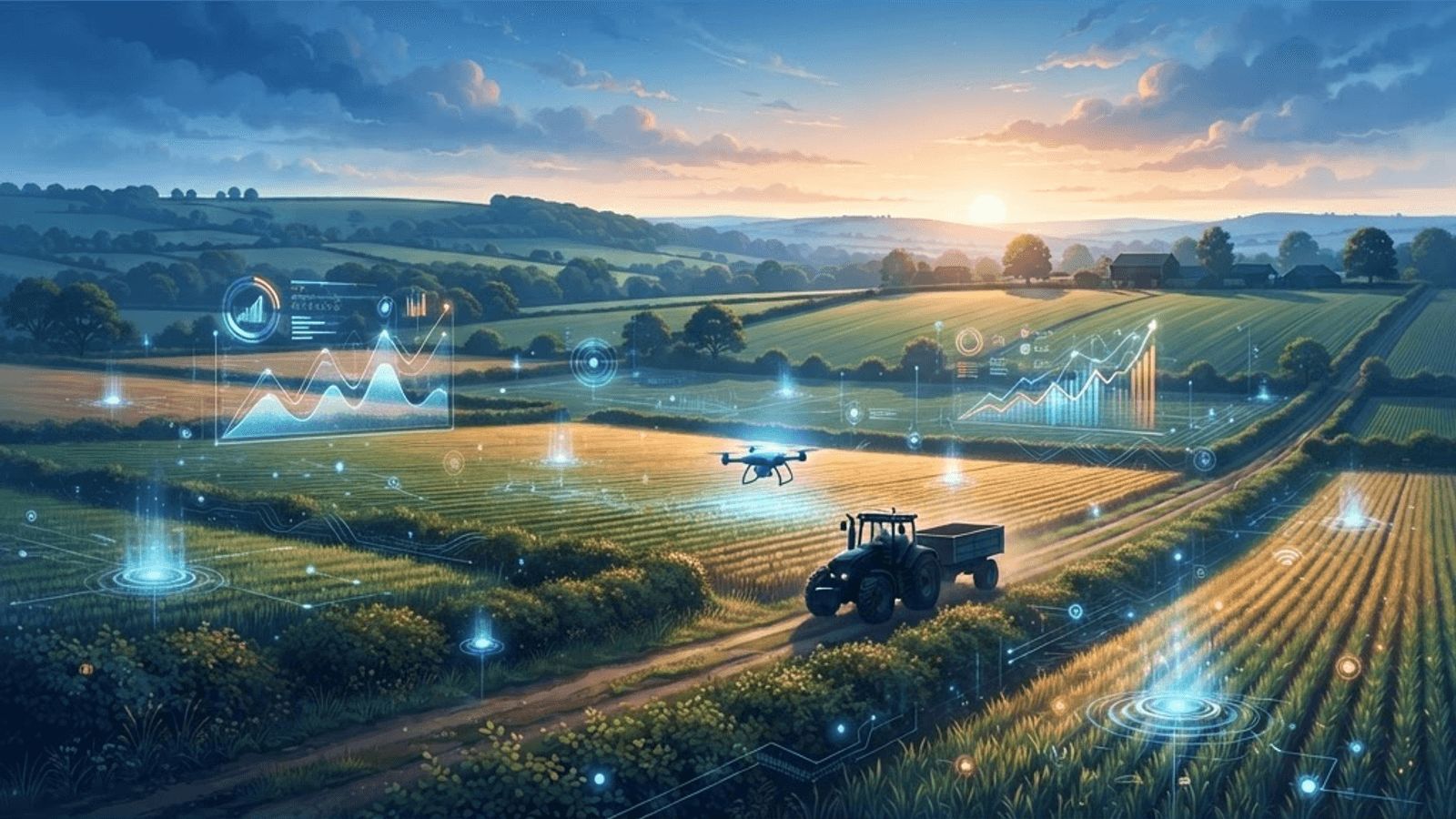
Technology adoption is accelerating. Satellite imagery, soil sensors, drone crop assessment and farm management software are now routine on larger holdings, improving decision quality and reducing wasted inputs.
Labour availability remains a serious constraint, particularly for fruit and horticulture. Investment in automation, improved worker accommodation and season-extension technology are all partial responses.
Finally, consumer demand for local, traceable food continues to grow. Farm shops, box schemes and direct butchery give Sevenoaks producers an outlet that pays considerably better than commodity markets.
Working With Local Farms
For businesses sourcing produce, engaging early with growers is key. Kent farms can often plan specific varieties or volumes if given a season's notice, but cannot conjure them at short notice. For landowners and neighbours, understanding that public access, dog control and gate discipline directly affect livestock welfare makes a genuine difference.
Conclusion
Farming around Sevenoaks is neither a relic nor a hobby. It is a commercially sophisticated sector adapting quickly to new policy, new technology and new consumer expectations. The businesses profiled here demonstrate the range of viable strategies — scale and precision, premium direct sales, environmental income, or diversification into leisure and retail. Together they keep the Kent landscape productive and the local food economy genuinely local.
Want your brand featured in front of decision-makers? Publish a guest post or get a link insertion in our guides through AAMAX's guest post and link insertion service.
Helpful Links
 SponsoredAAMAX — Full-Service Digital Agency
Write for Us
Share your expertise with our readers. We welcome guest contributions from industry specialists.
Pitch your idea