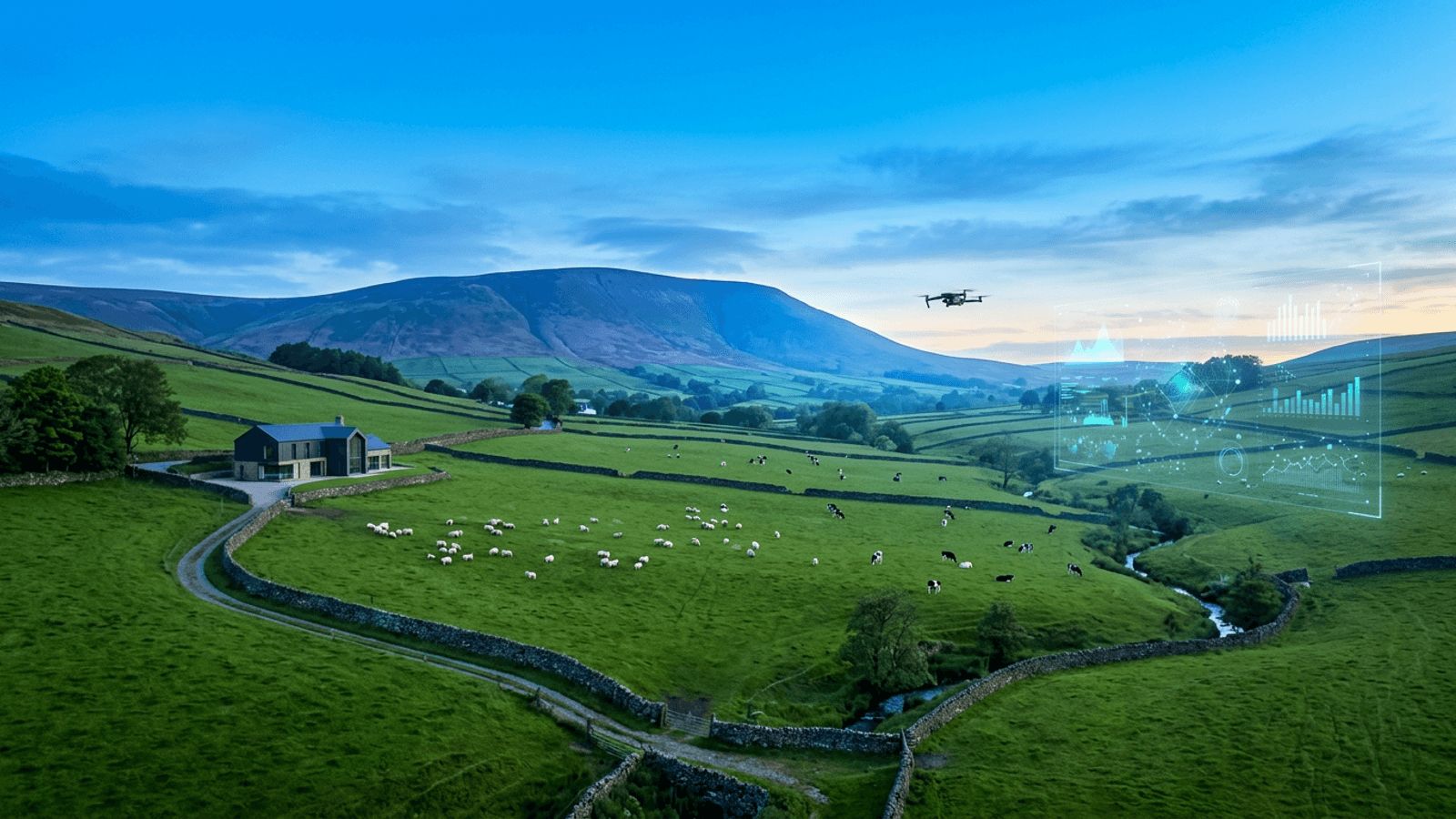
Beyond its mill towns, Pendle is a deeply rural borough. The slopes of Pendle Hill, the valleys around Barley and Roughlee, and the moorland near Wycoller are dotted with family farms raising sheep, beef cattle and dairy herds. These farms produce food, maintain dry stone walls and hedgerows, and care for landscapes that attract thousands of visitors each year.
The farming economy relies on a network of cooperatives, auction marts, feed suppliers and processors. The ten businesses below play a key role in supporting Pendle's farmers and the wider agricultural sector.
The Character of Farming in Pendle
Pendle's farming is shaped by its upland geography and wet climate, which favour grassland farming rather than arable crops. Livestock production dominates, with sheep and cattle grazing on hillsides and valley pastures. Many farms also diversify into tourism, farm shops and renewable energy to strengthen their income.
1. Arla Foods
Arla Foods is a farmer-owned dairy cooperative and one of the largest dairy companies in the UK. Many Lancashire dairy farmers supply milk to Arla, benefiting from cooperative ownership and sustainability programmes. Its presence supports dairy farming across the North West.
2. Muller UK and Ireland
Muller is a major dairy processor that sources milk from farms across the UK. Its milk supply arrangements provide stable outlets for dairy farmers, and its sustainability initiatives help farms reduce environmental impact.
3. Gisburn Auction Mart
Located just beyond the Pendle boundary, Gisburn Auction Mart is an important livestock market for farmers across the area. It hosts regular sales of cattle and sheep, providing a vital marketplace and social hub for the farming community.
4. Skipton Auction Mart
Skipton Auction Mart, a short drive from Barnoldswick and Earby, is one of the busiest livestock markets in Northern England. Pendle farmers use it to buy and sell sheep and cattle, benefiting from strong prices and a large buyer base.
5. Carrs Billington
Carrs Billington is a leading agricultural supplier providing animal feed, fertilisers, farm supplies and country store products. Its stores and technical advisers support farmers across the North of England with practical solutions for livestock and grassland management.
6. ForFarmers
ForFarmers supplies animal feed and nutritional advice to livestock farmers. Its expertise in ruminant nutrition helps Pendle dairy and beef farmers improve animal health and productivity while managing feed costs.
7. National Farmers Union North West
The NFU represents farmers across England and provides advice, lobbying and support. Its North West team works with Pendle farmers on policy, environmental schemes and business challenges, giving local farmers a strong collective voice.
8. Farm Shops and Direct Sellers
Farm shops and direct sellers around Pendle offer locally reared meat, dairy products and seasonal produce. These businesses help farmers capture more value and connect with consumers, while offering visitors a taste of the local area.
9. Lancashire Farm Diversification Businesses
Many Pendle farms have diversified into holiday cottages, glamping, farm tours and wedding venues. These ventures take advantage of the area's stunning scenery and strong tourism appeal, providing additional income streams.
10. Forest of Bowland Land Management Partnerships
Partnerships in the nearby Forest of Bowland National Landscape support farmers with conservation projects, habitat restoration and sustainable land management. These initiatives help protect wildlife and landscapes while providing funding for environmental work.
Trends in Pendle Farming
Environmental Land Management schemes are changing how farmers are supported, with payments tied to environmental outcomes such as peatland restoration, hedgerow management and biodiversity. Technology such as electronic identification, drones and data-driven grassland management is increasingly used. Farmers are also focusing on reducing carbon emissions and improving soil health.
The Role of Farming in Pendle's Tourism
Farming and tourism are closely linked in Pendle. The patchwork of fields, dry stone walls and barns that walkers admire on the climb up Pendle Hill exists because of generations of careful land management. Visitors to Barley, Newchurch-in-Pendle and Wycoller often stay in farm accommodation, eat locally reared meat in village pubs and buy produce from farm gates, directly supporting rural incomes.
Responsible visitors can help by following the Countryside Code, keeping dogs on leads around livestock, closing gates and using stiles and paths. These simple actions protect animals, crops and the livelihoods of the farming families who look after the landscape.
Challenges Facing Local Farms
Pendle farmers face rising input costs for feed, fuel and fertiliser, fluctuating livestock prices and increasingly unpredictable weather. Succession is another challenge, as younger people weigh up the demands of farming against other careers. Cooperatives, advisory services and diversification all help farms remain resilient.
Final Thoughts
Farming remains central to Pendle's identity and economy. By supporting local farms, buying local produce and appreciating the work that goes into maintaining the landscape, residents and visitors can help ensure a thriving rural future for the borough.
Want your brand featured in front of decision-makers? Publish a guest post or get a link insertion in our guides through AAMAX's guest post and link insertion service.
Helpful Links
 SponsoredAAMAX — Full-Service Digital Agency
Write for Us
Share your expertise with our readers. We welcome guest contributions from industry specialists.
Pitch your idea