

Norwich and the Agricultural Heart of Norfolk
Norfolk is farming country on a serious scale. Its light, workable soils, low rainfall, long growing season and flat terrain combine to make it one of the most productive arable regions in the United Kingdom. Wheat, barley, sugar beet, potatoes, oilseed rape, onions, carrots and field vegetables are grown extensively, while the county is also a major centre for poultry and pig production and for outdoor soft fruit.
Norwich functions as the commercial capital of this landscape. Agronomy consultancies, machinery dealers, seed and crop protection businesses, grain merchants, food processors and agricultural finance and legal specialists all cluster in and around the city. The Norwich Research Park adds a globally significant scientific dimension, with plant science and food research institutions producing knowledge that flows directly into local practice.
What Defines a Well-Run Farming Business
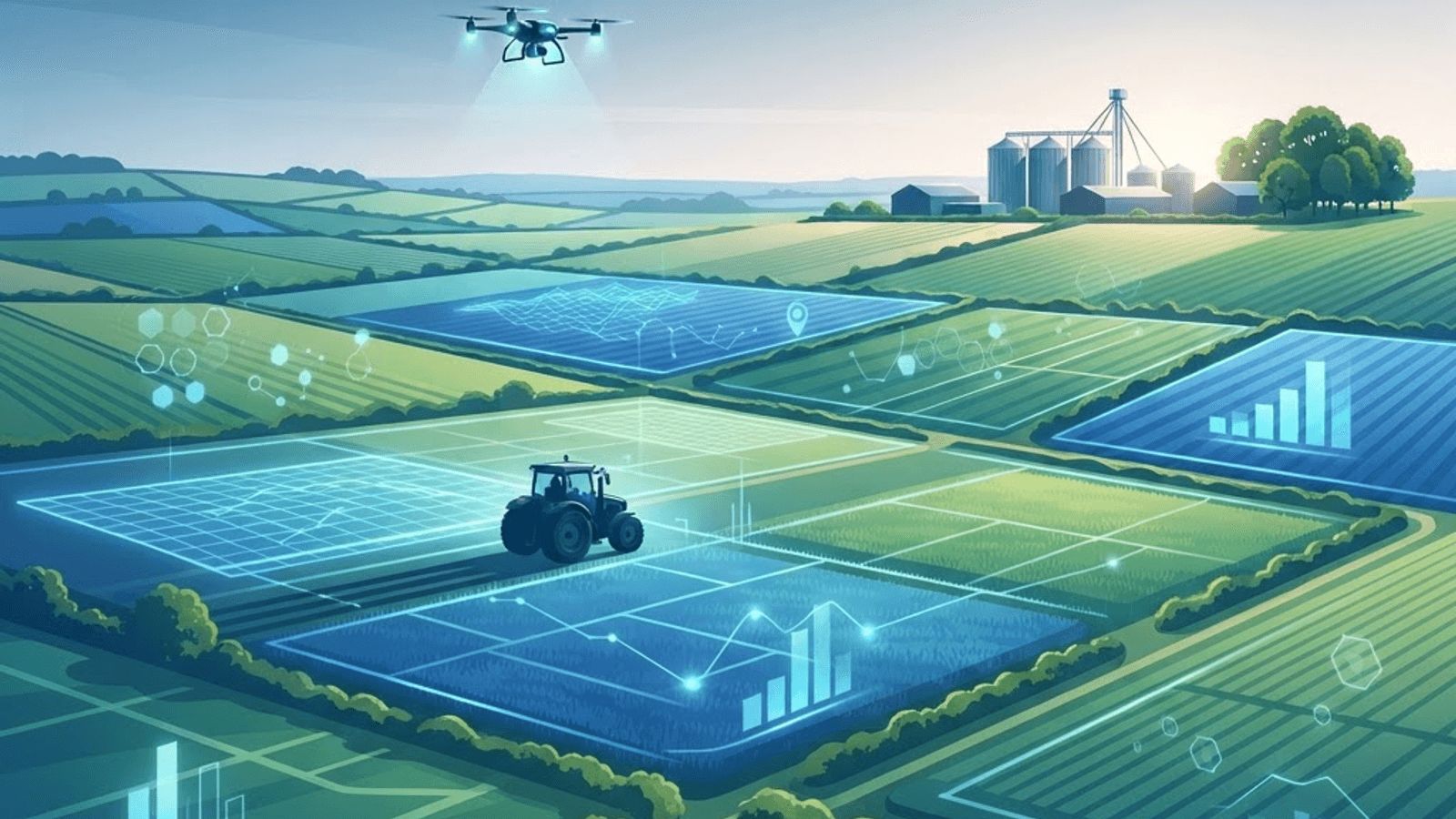
Modern farming is a data-intensive, capital-intensive business. The strongest operations share a few characteristics. They practise precision agriculture, using soil mapping, variable-rate application and yield monitoring to place inputs exactly where they generate return. They manage soil health deliberately through rotation, cover cropping and reduced cultivation rather than treating soil as a passive medium.
They also diversify sensibly. With commodity prices volatile and support payments transitioning towards environmental outcomes, income from renewable energy, farm shops, storage, tourism, contracting and environmental schemes stabilises the business. Finally, they take assurance and traceability seriously, because access to major buyers depends on demonstrable standards for food safety, animal welfare and environmental management.
The Top 10 Farming Companies Around Norwich
1. Wensum Valley Arable Estates
A large-scale arable operation growing cereals, sugar beet and oilseeds with a strong precision farming programme. Soil mapping, controlled traffic farming and detailed yield analysis drive input efficiency, and the business is frequently cited locally as an example of data-led arable management.
2. Broadland Vegetable Growers
Specialists in field vegetables including onions, carrots, brassicas and salad crops, supplying processors and retailers. Cold storage, grading and packing facilities allow the business to extend its season and capture more value from each crop rather than selling everything at harvest.
3. Norfolk Poultry Enterprises
A poultry business covering free-range egg production and table birds, operating to high welfare and biosecurity standards. Norfolk's poultry sector is nationally significant, and rigorous health management is essential given the ongoing risk of avian influenza across East Anglia.
4. Yare Valley Livestock Farms
Mixed beef and sheep production using grazing on marshland and grassland that is unsuitable for arable cropping. Conservation grazing on the Broads margins delivers both meat production and habitat management, an increasingly valued combination under environmental land management schemes.
5. Fine City Soft Fruit Company
Growing strawberries, raspberries and other soft fruit under polytunnels with extended-season production. Precision irrigation, integrated pest management using beneficial insects and careful labour planning define a highly technical growing operation.
6. Castle Farm Contracting
An agricultural contracting business providing cultivation, drilling, spraying, harvesting and baling services. Contracting spreads the enormous capital cost of modern machinery across many holdings, allowing smaller farms to access equipment they could never justify buying outright.
7. East Anglia Organic Growers
A certified organic operation producing cereals, vegetables and forage using rotation, composting and mechanical weed control. Growing consumer and retailer demand for organic produce, combined with premium pricing, has strengthened the commercial case for this system in recent years.
8. Norwich Agritech Farming Group
A forward-looking business trialling autonomous machinery, drone crop scanning, sensor networks and controlled environment growing alongside conventional production. Its proximity to the research community in the city makes it a natural site for technology validation before wider adoption.
9. Norfolk Grain and Storage Cooperative
A cooperative providing grain storage, drying, cleaning and marketing services to member farms. Pooling volume improves bargaining position with buyers, while professional storage reduces spoilage losses and lets members sell when markets are favourable rather than at harvest.
10. Broads Edge Regenerative Farm
Practising regenerative agriculture with minimal tillage, diverse cover crops, integrated livestock and agroforestry. Measurable improvements in soil organic matter, water infiltration and biodiversity have made this type of operation influential well beyond its own acreage.
Trends Reshaping Norfolk Farming
The transition in agricultural support is the dominant policy story. Payments increasingly reward environmental outcomes such as soil health, water quality, habitat creation and carbon storage rather than land area alone. Farms that have engaged early with these schemes are managing the change far more comfortably than those that delayed.
Technology adoption is accelerating. Satellite and drone imagery, variable-rate application, autonomous lightweight machines and farm management software have moved from experimental to practical. Water is the third pressing issue: Norfolk is one of the driest parts of the country, and irrigation licensing, reservoir construction and efficient water use are now central to cropping decisions.
Finally, supply chain relationships are evolving. Direct contracts with processors and retailers, along with local food networks selling into Norwich's restaurants and shops, give growers more predictable returns and a clearer connection to the people eating their produce.
Looking Ahead
Farming around Norwich faces genuine pressures, from weather volatility and input costs to labour availability and regulatory change. Yet few regions are better equipped to respond. The combination of excellent land, experienced operators, world-class plant science on the doorstep and a strong local food economy gives Norfolk agriculture unusual resilience.
The businesses that will thrive are those treating soil as their primary asset, using data to make precise decisions, diversifying income sensibly and building direct relationships with the buyers of their produce. For anyone working with or investing in agriculture in the region, understanding these operations is the best possible starting point.
Want your brand featured in front of decision-makers? Publish a guest post or get a link insertion in our guides through AAMAX's guest post and link insertion service.
Helpful Links
 SponsoredAAMAX — Full-Service Digital Agency
Write for Us
Share your expertise with our readers. We welcome guest contributions from industry specialists.
Pitch your idea

