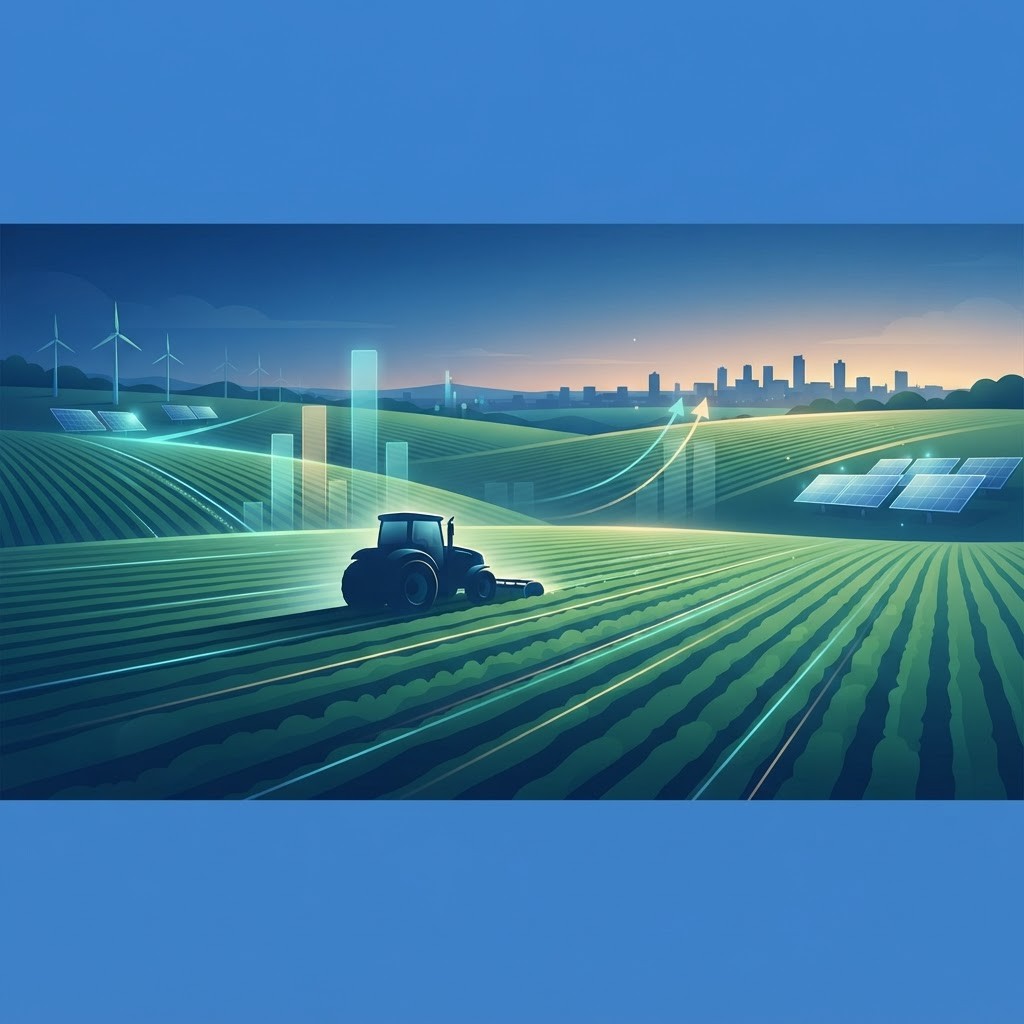
Farming Around Greater Manchester
While Manchester is best known as an urban and industrial centre, the surrounding countryside supports a vibrant and diverse agricultural community. The fertile lands of Cheshire, the Pennine foothills, and the plains stretching toward Lancashire provide the foundation for arable crops, dairy herds, and mixed farming enterprises. Farming companies in this region play a vital role in feeding the city and supplying local markets, restaurants, and retailers with fresh, seasonal produce.
Modern farming around Manchester blends generations of agricultural knowledge with cutting-edge technology. Precision agriculture, regenerative practices, and diversification into agritourism and renewable energy are transforming how these businesses operate. Below we profile ten of the region's most respected farming companies.
The Role of Farming in the Regional Economy
Agriculture contributes significantly to the North West economy, providing employment, supporting rural communities, and underpinning a thriving food and drink sector. Farming companies here supply everything from wheat and barley to milk, beef, and vegetables. Many have embraced short supply chains, selling directly to consumers through farm shops and box schemes, which strengthens local food security and reduces environmental impact.
The Top 10 Farming Companies
1. Cheshire Plain Farms is a large mixed-farming operation known for its dairy herd and arable rotation. The company has invested heavily in soil health and precision nutrient management.
2. Pennine Uplands Livestock specialises in hardy sheep and cattle breeds suited to the region's challenging terrain, supplying quality lamb and beef to local butchers.
3. Mersey Valley Produce focuses on field vegetables, growing potatoes, brassicas, and salad crops for supermarkets and wholesale markets across the North West.
4. Greenfield Dairy Company is a well-established dairy business supplying fresh milk and cream, with a growing emphasis on sustainable grazing and low-emission practices.
5. Trafford Organic Farms has built a strong reputation for certified organic vegetables and free-range eggs, catering to health-conscious consumers and independent grocers.
6. Bowdon Estate Farming combines traditional arable production with agritourism, offering farm experiences alongside its cereal and oilseed enterprises.
7. Irwell Meadows Agriculture operates a diversified model incorporating renewable energy, with solar and anaerobic digestion complementing its livestock operations.
8. Saddleworth Hill Farms is a family-run business focused on heritage breeds and pasture-fed beef, appealing to premium and farm-to-table markets.
9. Lostock Grain Company is a specialist arable producer known for high-quality milling wheat and its investment in grain storage and drying infrastructure.
10. Urban Roots Manchester represents the city's growing vertical and urban farming movement, producing leafy greens and herbs within the metropolitan area using hydroponic systems.
Sustainability and Innovation
Farming companies around Manchester are at the forefront of sustainable agriculture. Regenerative techniques such as cover cropping, reduced tillage, and rotational grazing are restoring soil health and boosting biodiversity. Many farms are reducing their carbon footprint through renewable energy, efficient water management, and reduced chemical inputs. Technology plays a central role too, with GPS-guided machinery, drones, and data analytics helping farmers optimise yields while minimising waste.
Challenges Facing the Sector
Despite its strengths, the sector faces real pressures. Volatile weather, fluctuating commodity prices, and evolving policy following changes to agricultural subsidies all create uncertainty. Labour availability and rising input costs add further complexity. The most resilient farming companies are those that diversify their income, build direct relationships with consumers, and invest in efficiency to weather these challenges.
Conclusion
The farming companies serving Greater Manchester are essential to the region's food supply, rural economy, and environmental stewardship. By combining tradition with innovation and embracing sustainable practices, these businesses continue to adapt to a changing world. For consumers, retailers, and communities alike, supporting local farming means investing in fresher food, stronger local economies, and a more resilient future for agriculture in the North West.
Want your brand featured in front of decision-makers? Publish a guest post or get a link insertion in our guides through AAMAX's guest post and link insertion service.
 SponsoredAAMAX — Full-Service Digital Agency
Write for Us
Share your expertise with our readers. We welcome guest contributions from industry specialists.
Pitch your idea