Agriculture's Continuing Importance Around Highland
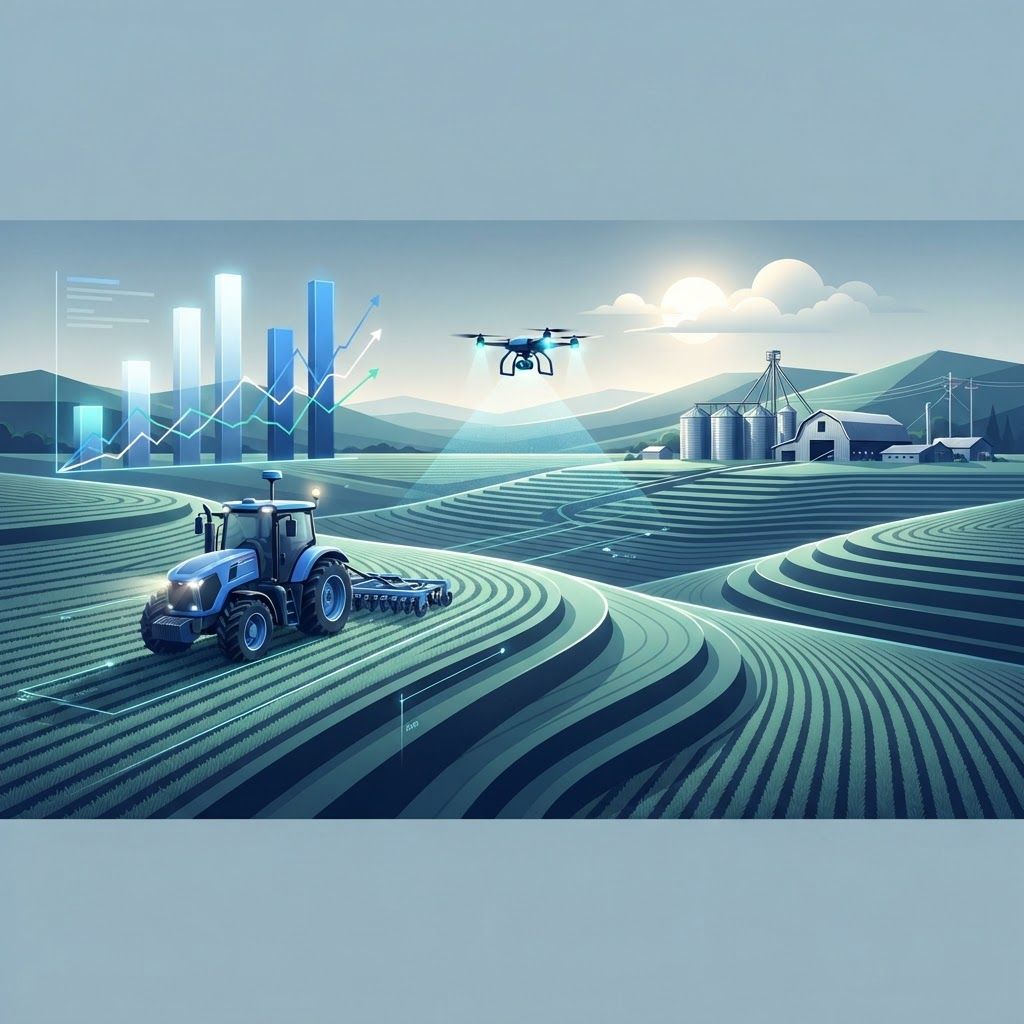
Farming remains a foundational industry in and around Highland, supplying grocers, restaurants, food processors, farmers markets and distributors far beyond the city limits. What has changed is the sophistication of production. Today's farms operate with soil testing, variable rate application, moisture monitoring, integrated pest management and detailed record keeping that would have been unrecognizable a generation ago.
The local agricultural landscape includes row crop operations, diversified vegetable farms, greenhouse and controlled environment growers, orchards, livestock and dairy operations, poultry producers and specialty enterprises such as herbs, mushrooms and honey. This diversity provides resilience: when one commodity faces weak pricing or difficult weather, others often perform.
What Distinguishes a Well-Run Farming Company
Soil stewardship is the clearest long-term indicator. Farms practicing crop rotation, cover cropping, reduced tillage and organic matter building tend to maintain yields with fewer inputs and to withstand weather extremes better. Second is water management, including irrigation efficiency, scheduling based on actual crop need and drainage planning.
Third, look at food safety practice. Documented harvest hygiene, water testing, traceability and worker training are now expected by any serious buyer. Fourth, consider market strategy, since farms combining wholesale contracts with direct sales channels typically achieve better margin stability. Fifth is labor practice, which affects both ethics and operational reliability. Finally, evaluate record keeping and data use, because farms that measure field-level performance make better decisions each season.
The Top 10 Farming Companies in Highland
1. Highland Valley Farms
A diversified operation growing field crops alongside seasonal vegetables, supplying wholesale distributors and local processors. Its investment in soil health monitoring and rotation planning underpins consistent quality across variable seasons.
2. Meridian Greenhouse Growers
Meridian produces tomatoes, cucumbers, peppers and leafy greens in climate-controlled greenhouses, extending availability well beyond the outdoor season. Integrated pest management and precise nutrient dosing allow high yields with reduced chemical reliance.
3. Northgate Grain & Oilseed Company
Focused on corn, soybeans, wheat and other broadacre crops, Northgate uses precision agriculture tools including yield mapping and variable rate fertilization. On-farm storage lets it market grain strategically rather than at harvest pressure prices.
4. Cedar Valley Orchards
Cedar Valley grows tree fruit including apples, pears and stone fruit, supplying retailers, farm stands and cider producers. Careful varietal selection and post-harvest cooling maintain fruit quality through distribution.
5. Summit Livestock & Cattle Ranch
Summit operates a beef cattle enterprise with managed grazing rotations that improve pasture productivity and reduce feed costs. Animal health protocols and traceability documentation support sales to quality-focused processors.
6. Highland Dairy Cooperative Farms
This dairy group emphasizes herd health, milk quality testing and efficient forage production. Investment in cow comfort and monitoring technology has improved both productivity and animal welfare outcomes.
7. Bluefield Organic Produce Farm
Bluefield operates certified organic vegetable production, selling through wholesale organic channels, CSA subscriptions and farmers markets. Compost-based fertility and mechanical weed control are central to its system.
8. Riverstone Poultry & Egg Producers
Riverstone produces eggs and poultry with biosecurity protocols and welfare-focused housing. Consistent supply and clear production standards make it a steady partner for regional grocers and foodservice buyers.
9. Ironwood Specialty Herbs & Microgreens
Ironwood grows culinary herbs, microgreens and edible flowers primarily for restaurants and specialty retailers. Rapid harvest-to-delivery cycles preserve the freshness these products are valued for.
10. Highland Apiary & Pollination Services
This enterprise produces honey while providing pollination services to nearby fruit and vegetable growers. Its dual role illustrates how interconnected agricultural systems around Highland genuinely are.
Trends Shaping Local Agriculture
Precision agriculture continues to spread, with satellite imagery, soil sensors and guidance systems reducing input waste while improving yields. Controlled environment agriculture is expanding as growers seek to lengthen seasons and stabilize supply against increasingly erratic weather.
Regenerative practices have moved from fringe to mainstream discussion, focused on soil carbon, biodiversity and reduced synthetic input dependence. Direct-to-consumer and short supply chain sales remain strong, giving farms margin they cannot capture through commodity channels alone. Labor availability continues to drive mechanization interest, particularly in harvesting and weeding. Finally, water stewardship has become central to planning, with efficient irrigation now an economic necessity rather than an environmental gesture.
Working With Local Farms
Buyers should communicate volume expectations well before the season, since planting decisions cannot be revised mid-summer. Be realistic about cosmetic standards, as excessively strict specifications create waste and raise prices. Agree on food safety documentation requirements early and confirm what certifications you genuinely need.
For consumers, buying seasonally and directly supports farm viability and typically delivers better flavor. For prospective agricultural partners, patience matters: farming operates on annual cycles, and trust develops across seasons rather than transactions.
Final Thoughts
Highland's farming companies span diversified field production, greenhouse growing, grain and oilseeds, orchards, livestock, dairy, organics, poultry, specialty crops and pollination services. Their common strength is combining traditional agronomic knowledge with modern measurement and stewardship. Supporting and partnering with these operations sustains not only local food supply but the landscape and rural economy that surround the city.
Want your brand featured in front of decision-makers? Publish a guest post or get a link insertion in our guides through AAMAX's guest post and link insertion service.
Helpful Links
 SponsoredAAMAX — Full-Service Digital Agency
Write for Us
Share your expertise with our readers. We welcome guest contributions from industry specialists.
Pitch your idea