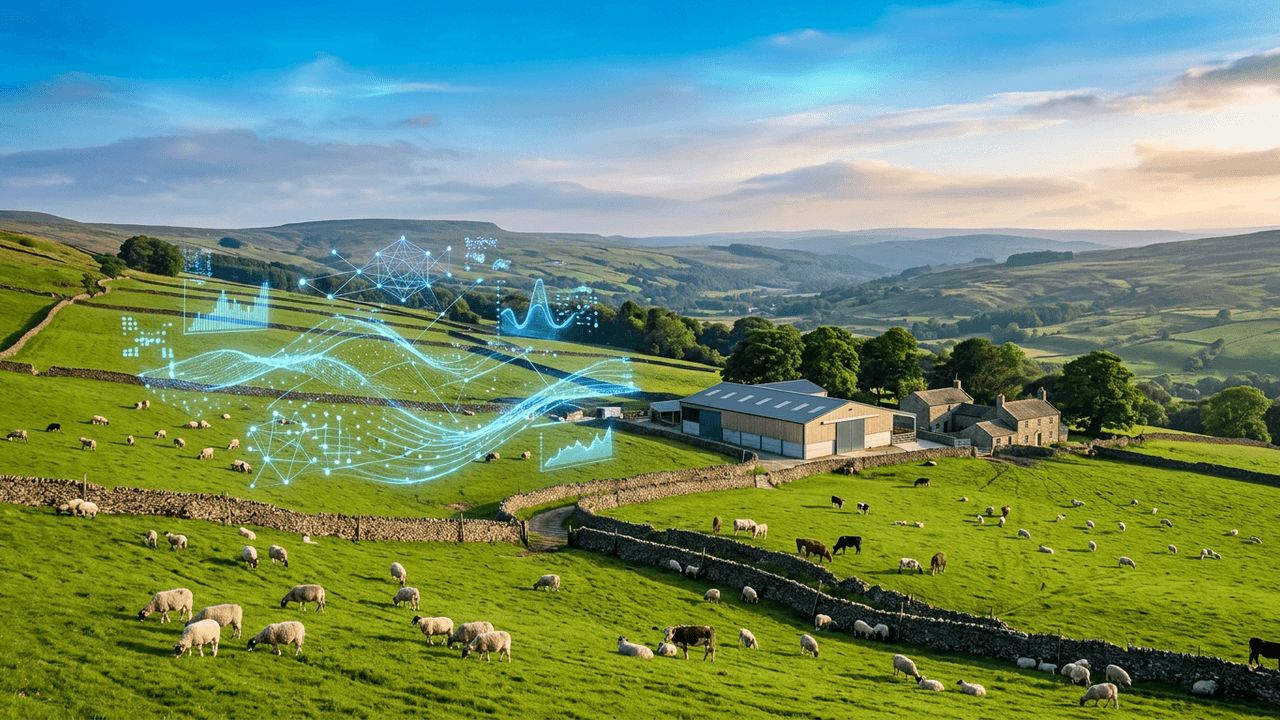
Farming in the High Peak Landscape
Farming has shaped High Peak for generations. Its dry stone walls, hay meadows, upland pastures and heather moorland are the result of centuries of livestock husbandry. Most farms are small to medium family operations focused on sheep, beef cattle and dairy, because the altitude, rainfall and thin soils limit arable cropping. Modern High Peak farmers must balance food production with environmental stewardship, tourism, public access and new government schemes that reward nature recovery.
This article looks at ten of the most important farming companies and agricultural businesses supporting High Peak's farming community. They range from landowners and dairy co-operatives to feed suppliers and livestock agents.
What Makes Farming Businesses Successful Here
Success in the uplands depends on resilient livestock breeds, efficient grassland management, access to fair markets and strong advisory support. Diversification into tourism, direct sales and environmental work is also increasingly common. The companies below support farmers in one or more of these areas.
The Top 10 Farming Companies Serving High Peak
1. National Trust High Peak Estate
The National Trust manages a large estate across the High Peak, including Kinder Scout, Edale and the Longshaw area. It works with tenant farmers to combine livestock farming with peatland restoration, woodland creation and wildlife recovery, showing how upland farming can deliver both food and environmental benefits.
2. Arla Foods
Arla is a farmer-owned dairy co-operative and one of the largest milk buyers in the UK. Many dairy farmers in Derbyshire supply Arla, benefiting from co-operative ownership, sustainability programmes and support aimed at improving herd welfare and lowering the carbon footprint of milk production.
3. Müller Milk and Ingredients
Müller is another major milk processor working with dairy farmers across England. Its farmer engagement programmes focus on animal welfare, environmental performance and long-term supply partnerships, giving High Peak dairy producers a stable route to market.
4. First Milk
First Milk is a British farmer-owned dairy co-operative known for cheese production and regenerative farming initiatives. Its focus on soil health, biodiversity and practical support for members appeals to farmers who want to improve sustainability while staying profitable.
5. Carrs Billington
Carrs Billington is a leading agricultural merchant supplying animal feed, fertiliser, farm hardware and expert advice. Its country stores and nutrition specialists help livestock farmers in the uplands get the most from their animals through carefully formulated rations and practical guidance.
6. ForFarmers
ForFarmers is a major feed company serving ruminant, pig and poultry farmers. It offers compound feeds, blends and nutritional advice tailored to farm systems. High Peak sheep and cattle farmers use its products to support animals through demanding winters and lambing seasons.
7. Bagshaws
Bagshaws is a respected firm of rural surveyors, land agents and livestock auctioneers with strong roots in Derbyshire and Staffordshire. Farmers rely on its expertise for property sales, valuations, tenancy advice and livestock marketing, making it a key part of the regional farming economy.
8. ABP UK
ABP is one of the UK's largest beef and lamb processors. It works with livestock producers through supply chain partnerships focused on quality, traceability and sustainability. Upland farms producing grass-fed beef and lamb benefit from these direct routes to supermarket and foodservice markets.
9. Dunbia
Dunbia, part of Dawn Meats, is a major meat processor that buys lambs and cattle from farmers across Britain. Its producer clubs offer market insight, specification guidance and premium opportunities, helping hill farmers get better value for well-finished stock.
10. Hartington Creamery
Hartington Creamery, near the High Peak boundary, is a small artisan cheesemaker reviving the area's historic cheese-making tradition. It shows how local farm produce can be turned into high-value speciality foods, inspiring other Peak District farmers to explore added-value products and direct sales.
Key Trends in High Peak Agriculture
The move from traditional subsidies to environmental land management schemes is changing upland farming. Farmers are increasingly paid for public goods such as peatland restoration, carbon storage, flood risk reduction and biodiversity. This makes High Peak, with its extensive moorland and wetland habitats, an important testing ground for new approaches.
Technology is also reaching the hills. Electronic sheep tagging, livestock monitoring apps, GPS-guided machinery and data-driven grassland management help farmers improve efficiency. Meanwhile, diversification into glamping, farm shops, educational visits and renewable energy provides extra income that helps family farms survive volatile markets.
Supporting Local Farming
Residents and visitors can support High Peak farmers by buying local meat, dairy and produce from farm shops and markets, respecting livestock and gates when walking, and choosing farm-based accommodation. These choices help keep the landscape working and protect the rural character that makes the area special.
The Role of Community and Cooperation
Farming in the hills has always relied on cooperation. Shared machinery, community auctions, young farmers' clubs and agricultural shows such as those held across Derbyshire each summer strengthen ties between farming families. Many of the businesses above actively support these networks through sponsorship, events and knowledge-sharing days, helping pass skills from one generation to the next.
Final Thoughts
High Peak's farming companies and partners keep a living landscape going while producing food, supporting nature and sustaining rural communities. From the National Trust's upland estates to feed merchants, co-operatives and livestock agents, these organisations show how traditional farming and modern innovation can work together in one of England's most iconic regions.
Want your brand featured in front of decision-makers? Publish a guest post or get a link insertion in our guides through AAMAX's guest post and link insertion service.
Helpful Links
 SponsoredAAMAX — Full-Service Digital Agency
Write for Us
Share your expertise with our readers. We welcome guest contributions from industry specialists.
Pitch your idea