

Agriculture at the Heart of Herefordshire
Few English counties are as defined by farming as Herefordshire. Roughly four fifths of its land is agricultural, and its influence reaches far beyond its borders: the Hereford breed of cattle, developed here in the eighteenth century, is now farmed on every inhabited continent. The county produces a very large share of the United Kingdom's cider apples, grows most of Britain's remaining hop acreage, and is a major supplier of strawberries, raspberries, blackcurrants, potatoes and poultry.
Geography explains much of this. Sheltered by the Welsh mountains to the west and the Malverns to the east, warmed by a relatively mild climate and blessed with deep, free-draining red sandstone soils, Herefordshire suits both permanent grassland and demanding horticultural crops. The Wye and Lugg valleys provide fertile alluvial land, while higher ground supports sheep and beef. The result is a mixed farming county in an era when much of Britain has specialised.
The Top 10 Farming Companies in Herefordshire
1. H. E. Hall & Son, Herefordshire
A long-established mixed farming business combining beef, arable and grassland management across substantial acreage. Its reputation rests on careful stockmanship, rotational cropping that protects soil structure, and investment in on-farm storage and handling that allows produce to be marketed when prices favour the grower rather than the buyer.
Businesses of this type form the backbone of Herefordshire agriculture, quietly professional and increasingly data-driven.
2. Wye Valley Farming Group
Operating across the Wye catchment, this group farms cereals, oilseeds, roots and grassland with a strong focus on soil health and water quality. Cover cropping, minimum tillage, buffer strips and precision nutrient management reflect the intense scrutiny the Wye now receives, and the business has positioned itself as a demonstration of productive farming within environmental limits.
3. Herefordshire Cider Fruit Growers
Representing the county's orchard sector, cider fruit enterprises here manage thousands of hectares of bush orchards supplying major and craft cider makers. Mechanised harvesting, precise variety selection for tannin and sugar profile, and long-term supply contracts characterise the business, while older standard orchards are increasingly retained for biodiversity and traditional perry pear varieties.
4. Marden Soft Fruit Enterprises
Soft fruit is Herefordshire's horticultural powerhouse, and growers in the county produce strawberries, raspberries and blackberries under polytunnels for national retailers. Substrate growing, extended cropping seasons, integrated pest management using beneficial insects and careful labour planning define modern practice, with the county supplying fruit from late spring into autumn.
5. Hereford Pedigree Cattle Breeders
Pedigree Hereford breeders in the county supply genetics worldwide, exporting semen, embryos and breeding stock. The breed's efficiency at converting grass, docile temperament and eating quality have driven renewed international interest as producers seek lower-input beef systems. Herd health schemes and performance recording underpin the county's genetic reputation.
6. Golden Valley Dairy Farms
Dairying remains important in the west of the county, where reliable grass growth supports both conventional and block-calving grazing systems. Leading businesses invest in cow comfort, milk quality, slurry storage and increasingly in anaerobic digestion or solar generation, reducing costs while meeting processor sustainability requirements.
7. Bromyard Hop Farms
Herefordshire and neighbouring Worcestershire grow the large majority of English hops, and Bromyard sits at the centre of this. Growers manage tall hop yards, wire work, harvesting and kilning in oast houses, supplying brewers seeking English aroma varieties. Renewed craft brewing interest has supported plantings of both heritage and modern disease-resistant varieties.
8. Ross Poultry Producers
Poultry is one of the county's largest agricultural sectors by value, covering broiler production, free range egg units and turkey rearing. Modern units emphasise ventilation control, biosecurity, welfare monitoring and litter management, with nutrient planning for poultry manure receiving particular attention given river water quality concerns.
9. Leominster Arable and Seed Producers
Arable businesses around Leominster grow wheat, barley, oilseed rape, beans and increasingly herbal leys, with some producing certified seed. Variable rate application guided by soil scanning, controlled traffic farming and careful rotation planning have improved both margins and soil condition on these units.
10. Herefordshire Agroforestry and Regenerative Farms
A growing cohort of county farms is integrating trees with grazing and cropping, using silvopasture, hedgerow expansion, mob grazing and diverse leys. These businesses often combine food production with carbon and biodiversity income, direct sales, and educational or agritourism activity, offering a template for farming that is both productive and multifunctional.
Sustainability and River Wye Water Quality
No discussion of Herefordshire farming is complete without the River Wye. Elevated phosphate levels and algal growth in the catchment have made nutrient management the defining agricultural issue in the county. The response has involved slurry and manure storage investment, nutrient management planning, phosphate export from the catchment, cover cropping to reduce runoff, riparian buffer strips and constructed wetlands.
Progress requires cooperation between farmers, processors, water companies, regulators and local authorities, and the more forward-looking farming businesses have treated the issue as a licence-to-operate matter rather than a compliance nuisance. Farms that can demonstrate measurable nutrient stewardship are increasingly favoured in supply contracts.
Diversification and Farm Business Resilience
With the transition from area-based subsidy to environmental land management payments, Herefordshire farms have diversified energetically. Holiday cottages, glamping, farm shops, cafés, weddings, livery, contracting, renewable energy generation, anaerobic digestion and direct meat and cider sales all now contribute meaningfully to farm incomes. The county's tourism appeal makes this easier here than in less scenic regions.
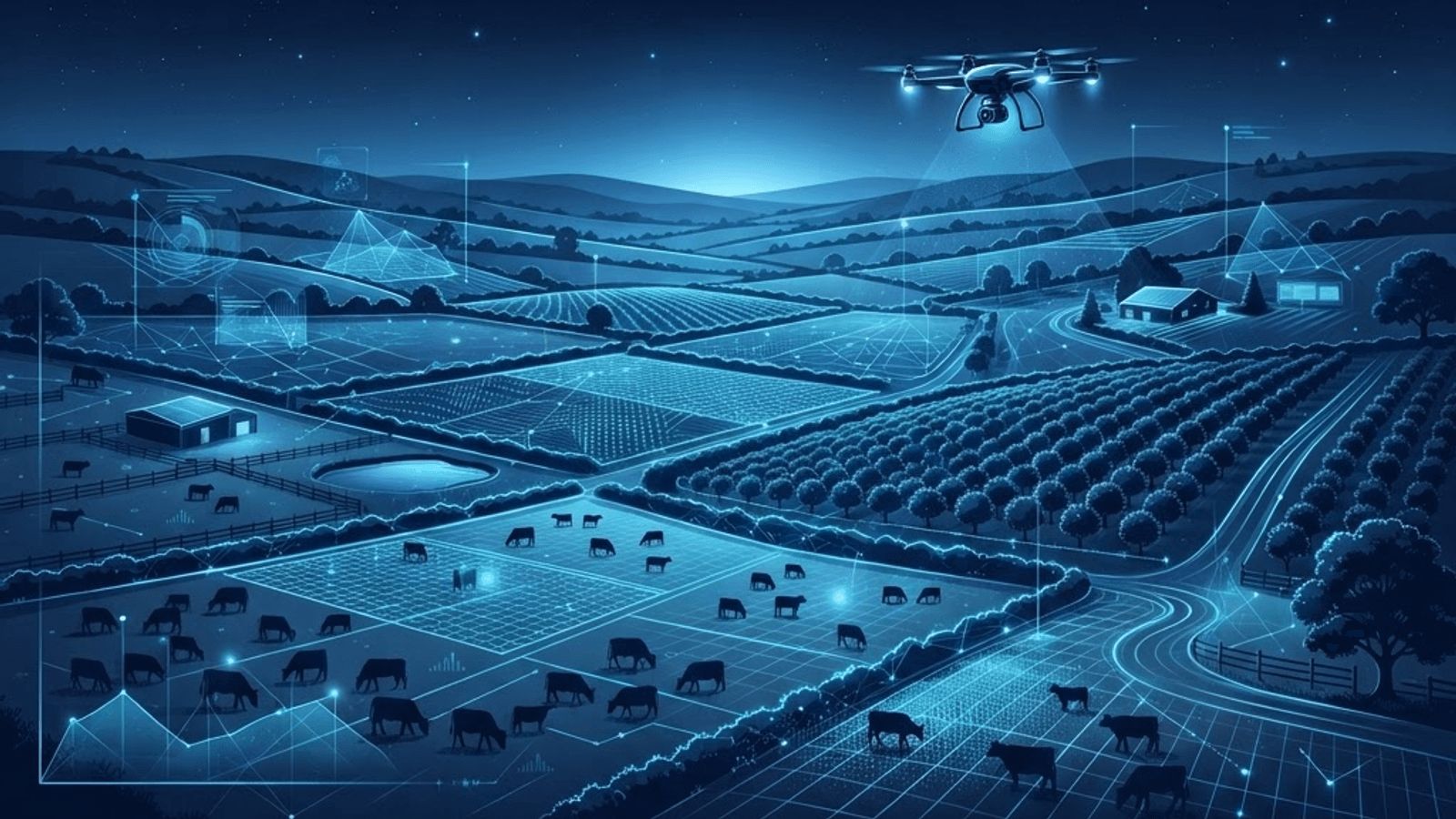
Technology is the other resilience lever. GPS guidance, variable rate application, soil scanning, electronic identification for livestock, sensor-based irrigation and farm management software have moved from novelty to normality, allowing better decisions from the same land and labour.
Challenges Ahead
Herefordshire agriculture faces real pressures: labour availability for horticulture, volatile input and output prices, extreme weather affecting both harvest and grass growth, disease risks including avian influenza and bovine TB, and increasing regulatory expectation on water and carbon. Succession and land access for new entrants remain persistent structural problems.
Yet the fundamentals are strong. Good soils, an established food processing sector, world-recognised livestock genetics, dominant positions in cider and hops, and a farming community with genuine technical depth give the county a solid platform.
Conclusion
Herefordshire's farming companies range from globally influential pedigree cattle breeders to large-scale soft fruit growers, hop farms, dairy units and regenerative pioneers. Together they make the county one of Britain's most productive and interesting agricultural landscapes, and one that is actively rethinking how food production and environmental responsibility fit together.
Want your brand featured in front of decision-makers? Publish a guest post or get a link insertion in our guides through AAMAX's guest post and link insertion service.
Helpful Links
 SponsoredAAMAX — Full-Service Digital Agency
Write for Us
Share your expertise with our readers. We welcome guest contributions from industry specialists.
Pitch your idea

