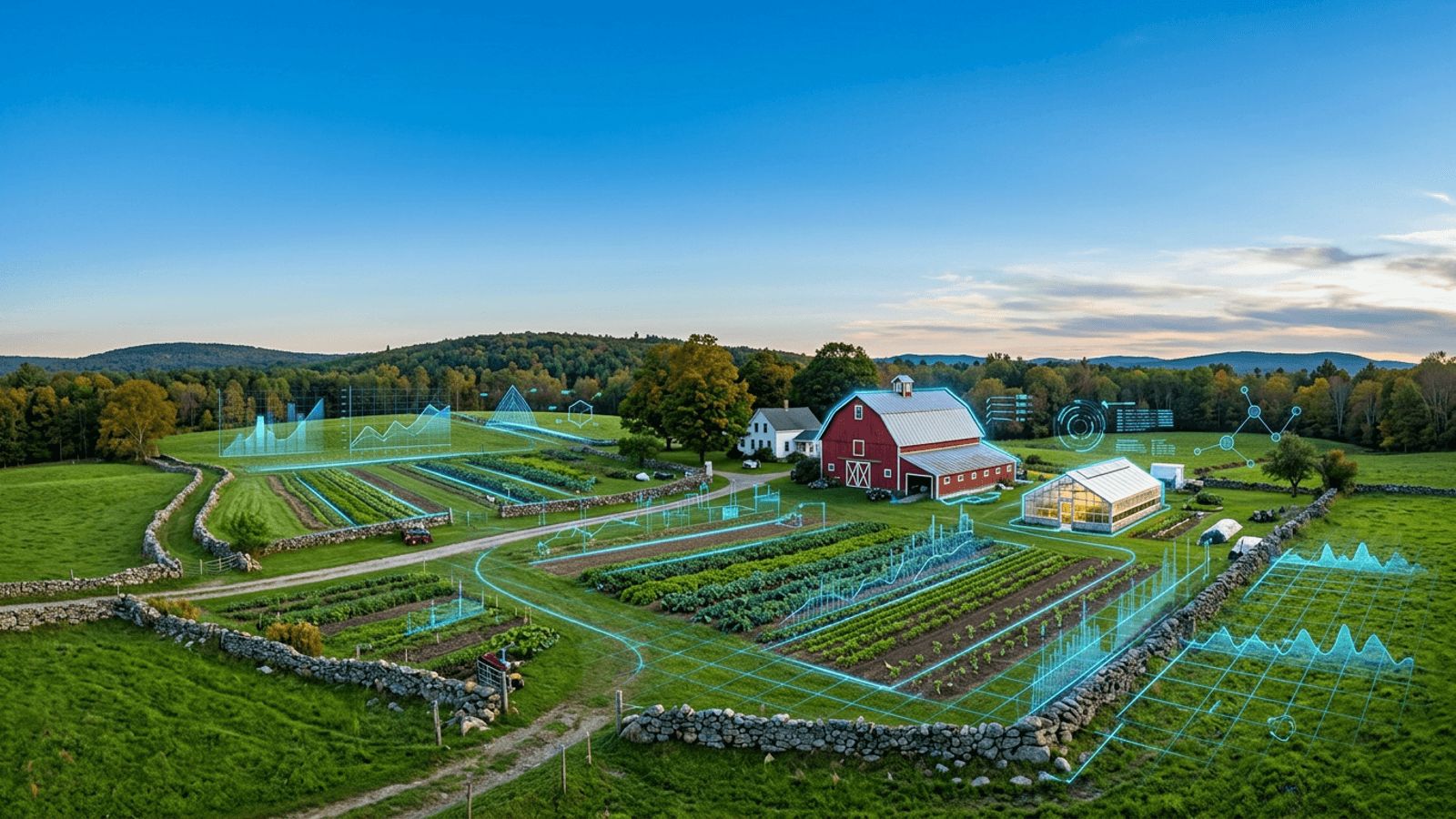
Farming Close to Home
Greenwich, Connecticut may be known for its estates and corporate offices, but agriculture has deep roots here. Before suburban growth, the town's rolling hills supported dairy farms, orchards, and market gardens. Today, a revival of interest in local food has renewed appreciation for farms in and around Greenwich. The Greenwich Farmers Market, farm-to-table restaurants, and community-supported agriculture programs connect residents with growers in Fairfield County, Westchester, and beyond.
Local farming offers fresher food, supports the regional economy, preserves open space, and reduces the environmental impact of long-distance transportation. For Greenwich families and chefs alike, these farms are invaluable partners.
What Makes a Great Local Farm
The best farms combine high-quality produce with sustainable practices such as organic or regenerative methods, soil health management, and responsible water use. Community engagement through farm stands, education programs, and CSA shares strengthens connections with residents. Variety, seasonality, and transparency about growing practices are key differentiators.
The Top 10 Farming Companies Near Greenwich
1. Sabine Farm
Sabine Farm is a small organic farm within Greenwich itself, offering residents a rare opportunity to buy produce grown right in town. Known for its seasonal vegetables, herbs, and flowers, the farm reflects a commitment to sustainable growing and to keeping farming alive in a suburban community.
2. Stone Barns Center for Food and Agriculture
Located in Pocantico Hills, New York, a short drive from Greenwich, Stone Barns is a nonprofit farm and education center focused on regenerative agriculture. It is closely associated with farm-to-table dining and offers programs that teach visitors about sustainable food systems.
3. Hilltop Hanover Farm
Hilltop Hanover Farm in Yorktown Heights, New York, is a working farm and environmental center. It produces vegetables, eggs, and meat using sustainable practices and offers a CSA program and educational events, making it popular with families across the region.
4. Muscoot Farm
Muscoot Farm in Somers, New York, is an interpretive farm that preserves agricultural heritage while educating visitors about farm life. Its historic barns, animals, and seasonal programs make it a favorite destination for Greenwich families seeking hands-on farm experiences.
5. Holbrook Farm
Holbrook Farm in Bethel, Connecticut, is a family-run farm known for organically grown vegetables, pasture-raised meats, and baked goods sold at its farm market. It is respected for its commitment to sustainable, chemical-free agriculture.
6. Silverman's Farm
Silverman's Farm in Easton, Connecticut, is a beloved destination for pick-your-own apples, peaches, and pumpkins. Its farm market, animal park, and seasonal festivals draw visitors from Greenwich and throughout Fairfield County, especially during autumn.
7. Sport Hill Farm
Sport Hill Farm in Easton grows a wide variety of vegetables using sustainable methods and sells through its farm stand and to local restaurants. It is valued for freshness, flavor, and a strong commitment to community food access.
8. Jones Family Farms
Jones Family Farms in Shelton, Connecticut, has been operated by the same family for generations. It is famous for pick-your-own berries, pumpkins, and Christmas trees, as well as its winery. Its long history and family traditions make it a regional institution.
9. Gilbertie's Herb Gardens
Gilbertie's is a family-owned grower specializing in organic herbs and plants, with operations in Westport and Easton. It is well known for its extensive herb selection and gardening expertise, supplying home gardeners and chefs across Fairfield County.
10. Ambler Farm
Ambler Farm in Wilton, Connecticut, is a community farm that combines sustainable agriculture with education. Its programs teach children and adults about growing food, raising animals, and caring for the land, and its produce supports local food initiatives.
Trends in Local Agriculture
Regenerative agriculture is gaining attention for its focus on soil health and carbon sequestration. CSA programs remain popular, offering residents seasonal produce subscriptions. Agritourism, including pick-your-own experiences and farm events, provides additional revenue for farms. Technology, from precision irrigation to high tunnels that extend the growing season, helps small farms remain productive. Demand from restaurants for local ingredients continues to support regional growers.
How to Support Local Farms
Shop at the Greenwich Farmers Market and farm stands, join a CSA, and choose restaurants that source locally. Attend farm events and educational programs, and consider volunteering or donating to nonprofit farms. Buying seasonally helps farms plan production and reduces waste.
Farm-to-Table Dining in Greenwich
Greenwich's restaurant community has embraced farm-to-table cooking, with menus that change according to what local farms are harvesting. Chefs build direct relationships with growers, sometimes planning crops together months in advance. This collaboration benefits both sides, giving farms reliable buyers and giving restaurants distinctive, peak-season ingredients. Diners increasingly ask where their food comes from, and menus that name local farms have become a mark of quality. Private clubs and caterers are following the same path, incorporating regional produce, cheeses, and meats into events and seasonal menus that celebrate Connecticut and Hudson Valley agriculture.
Conclusion
Farming remains a vibrant part of life around Greenwich. From Sabine Farm within town limits to regional favorites like Stone Barns, Silverman's Farm, and Jones Family Farms, these ten farming operations offer fresh food, education, and a meaningful connection to the land. Supporting them helps preserve open space and strengthens the region's food future.
Want your brand featured in front of decision-makers? Publish a guest post or get a link insertion in our guides through AAMAX's guest post and link insertion service.
Helpful Links
 SponsoredAAMAX — Full-Service Digital Agency
Write for Us
Share your expertise with our readers. We welcome guest contributions from industry specialists.
Pitch your idea