Farming in the Heart of England
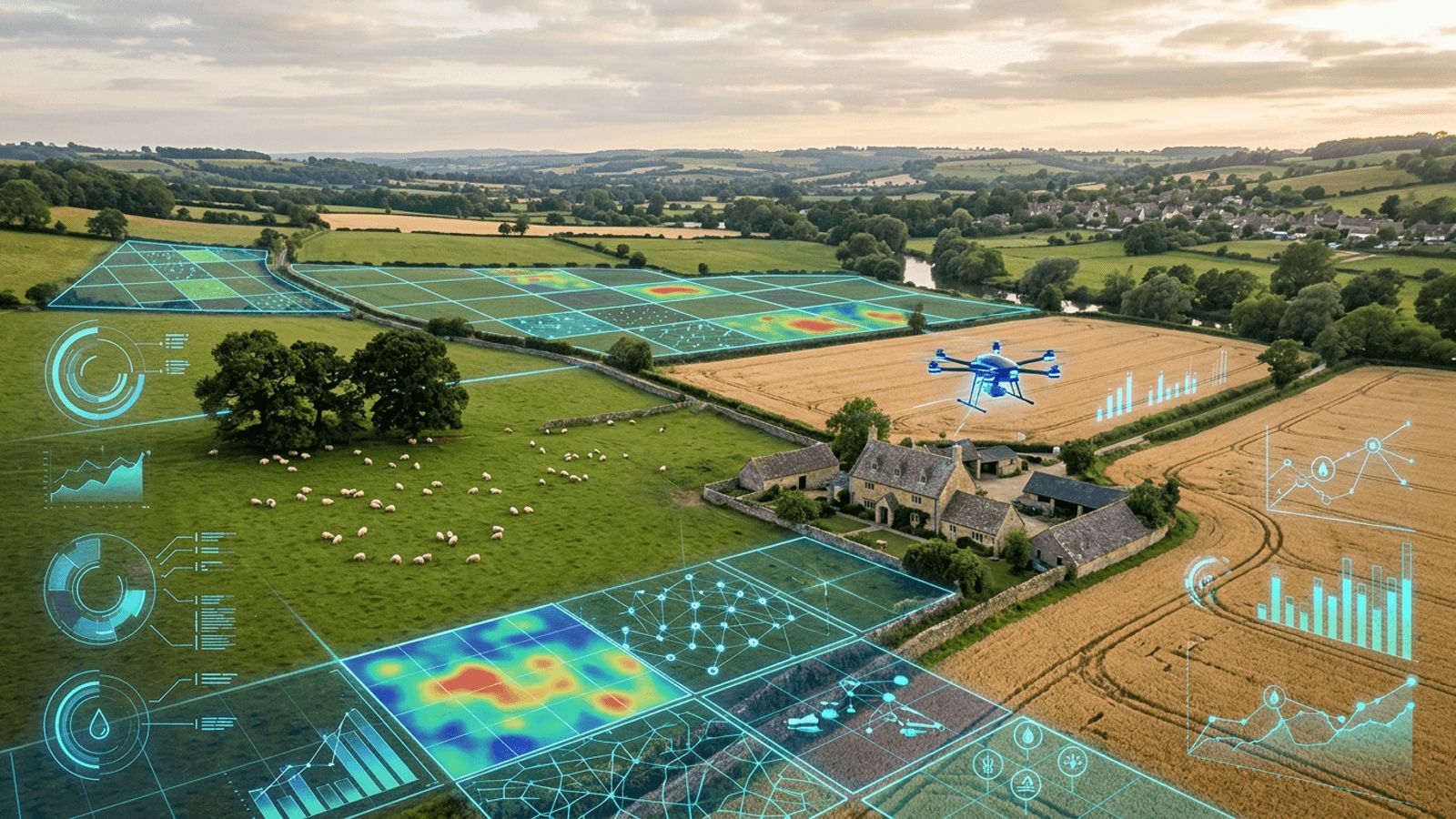
Farming has shaped the Cotswolds for thousands of years. The region's wealth was built on sheep, its fields of wheat and barley stretch across the high wolds, and dry stone walls mark out centuries of land management. Today, Cotswold farms are diverse, ranging from large arable estates and livestock farms to organic pioneers, regenerative growers and farm-to-table food producers.
Many Cotswold farms combine traditional agriculture with tourism, retail and conservation, reflecting the region's role as both a working landscape and a visitor destination. Here are ten of the most notable farming businesses in the Cotswolds.
1. Daylesford Organic
Daylesford Organic near Kingham is one of the UK's most celebrated organic farms. It produces organic meat, dairy, vegetables and baked goods, and its farm shop, café and cookery school attract visitors from across the country. Daylesford has played a major role in raising the profile of organic and sustainable farming.
2. Cotswold Farm Park
Run by farmer and broadcaster Adam Henson near Guiting Power, the Cotswold Farm Park is a working farm dedicated to rare breed conservation. It is famous for its rare and native breeds, including the Cotswold sheep, and its visitor attraction educates families about farming and food production.
3. Duchy Home Farm
Duchy Home Farm near Tetbury, associated with the Highgrove estate, has been farmed organically for decades. It is known for its commitment to sustainable agriculture, native breeds and heritage crops, and it has influenced organic farming practices across the UK.
4. Diddly Squat Farm
Diddly Squat Farm near Chadlington became famous through television, bringing the realities of modern farming to a wide audience. Its farm shop sells local produce and has sparked national conversations about the challenges farmers face, from weather to regulation.
5. Abbey Home Farm
Abbey Home Farm near Cirencester is a long-standing organic farm producing vegetables, meat and dairy. Its farm shop, café and educational activities connect the community with sustainable food production and nature-friendly farming.
6. Bathurst Estate
The Bathurst Estate surrounding Cirencester Park includes significant farmland, woodland and property. The estate manages its land with a focus on sustainable agriculture, conservation and supporting the local community.
7. Simon Weaver Organic
Simon Weaver Organic, based at Kirkham Farm near Upper Slaughter, produces award-winning organic cheeses such as Cotswold Brie. Its dairy herd grazes the Cotswold pastures, and its cheeses are stocked by delis and restaurants across the country.
8. Cotswold Gold
Cotswold Gold produces cold-pressed rapeseed oil from crops grown on its own farmland. Its oils and dressings showcase how Cotswold farmers are adding value to their crops through local food production.
9. Cotswold Lavender
Cotswold Lavender at Snowshill grows acres of lavender on the hills above Broadway. Its summer fields attract thousands of visitors, and it produces lavender oil and products, demonstrating successful farm diversification.
10. Regenerative Farming Clusters
Groups of Cotswold farmers are working together in farmer clusters to improve soil health, biodiversity and water quality. These collaborations share knowledge on cover crops, reduced tillage, hedgerow management and wildlife habitats, helping make farming in the region more resilient.
The Cotswold Sheep and Wool Heritage
The Cotswold sheep, sometimes called the Cotswold Lion, was once one of the most valuable breeds in Europe. Its long, lustrous wool funded the region's grand wool churches and market towns. The breed declined in the twentieth century, but dedicated breeders and rare breed farms have helped revive it. Today, Cotswold sheep are a symbol of the region's heritage and a reminder of its agricultural roots.
Trends in Cotswold Farming
Farming in the Cotswolds is evolving rapidly. Regenerative agriculture is gaining popularity as farmers seek to improve soil health and reduce reliance on chemical inputs. New environmental land management schemes reward farmers for delivering public goods such as biodiversity, clean water and carbon storage. Many farms are also investing in renewable energy, including solar panels and anaerobic digestion.
Diversification is another major trend. Farm shops, cafés, glamping sites, wedding venues and educational experiences provide additional income streams. The Cotswolds' strong tourism market makes these ventures particularly viable.
Challenges Facing Farmers
Cotswold farmers face challenges including unpredictable weather, rising input costs, changing government support and labour shortages. Climate change is affecting growing seasons and increasing the risk of drought and flooding. Despite these pressures, many farmers are adapting through innovation, collaboration and direct-to-consumer sales.
Supporting Local Farms
Consumers can support Cotswold farmers by buying from farm shops, farmers' markets and local butchers, choosing restaurants that source locally and visiting farm attractions. These choices help keep money in the local economy and sustain the farming businesses that maintain the region's landscape.
Conclusion
Farming remains the heartbeat of the Cotswolds. From organic pioneers and rare breed conservationists to innovative food producers and regenerative clusters, the farming businesses above show the diversity and resilience of agriculture in the region, protecting its landscape and heritage while producing exceptional food.
Want your brand featured in front of decision-makers? Publish a guest post or get a link insertion in our guides through AAMAX's guest post and link insertion service.
Helpful Links
 SponsoredAAMAX — Full-Service Digital Agency
Write for Us
Share your expertise with our readers. We welcome guest contributions from industry specialists.
Pitch your idea