Farming Around Castle Point
Although Castle Point is often thought of as a suburban and coastal borough, farming remains part of its character. Grazing marshes stretch beside the Thames Estuary, the slopes around Hadleigh Castle support livestock and open countryside, and the wider Essex landscape is among the most productive agricultural regions in England. From rare breed cattle and sheep to orchards, arable fields and farm shops, agriculture connects Castle Point residents to fresh, local food.
This guide highlights ten farming businesses and agricultural organisations that serve or inspire the borough, including working farms, visitor attractions, growers and agricultural service providers.
The Essex Farming Landscape
Essex has fertile soils and a relatively dry, sunny climate that suit cereals, oilseed rape, fruit and vegetables. Coastal grazing marshes provide pasture for cattle and sheep while supporting important wildlife habitats. Many farms combine food production with conservation, education and tourism, creating diverse income streams and stronger links with local communities.
The Top 10 Farming Companies and Organisations
1. Hadleigh Farm
Run by The Salvation Army, Hadleigh Farm is one of Castle Point's most treasured landmarks. The farm raises rare breed animals, manages grassland around Hadleigh Castle and runs a training centre that helps people develop skills and confidence. Its tea room and rare breeds centre make it a popular destination for families, while its land hosted the mountain bike events of the 2012 Olympic Games.
2. Barleylands
Barleylands near Billericay combines a working farm with a farm park, craft village and events venue. It is a favourite day out for Castle Point families, offering hands-on animal experiences and seasonal events that celebrate Essex agriculture.
3. Marsh Farm Country Park
Located near South Woodham Ferrers, Marsh Farm Country Park offers visitors the chance to meet farm animals and explore coastal grazing land. It plays an important role in educating children about where food comes from.
4. Wilkin and Sons
Based in Tiptree, Wilkin and Sons is a renowned Essex fruit grower and preserve maker. Its farms produce strawberries, raspberries and other fruits used in its famous jams, demonstrating how Essex farming can build an internationally recognised food brand.
5. Lathcoats Farm
Lathcoats Farm near Chelmsford is known for its pick-your-own fruit, orchards and farm shop. It offers fresh seasonal produce and a chance for families to experience harvesting first hand.
6. Crapes Fruit Farm
Crapes Fruit Farm in north Essex is celebrated for growing a remarkable variety of apple cultivars. Its commitment to heritage fruit varieties helps preserve agricultural diversity for future generations.
7. Frontier Agriculture
Frontier Agriculture is a leading crop production and grain marketing business supporting arable farmers across Essex. It provides agronomy advice, seed, fertiliser and crop protection, along with grain storage and marketing services.
8. Hutchinsons
Hutchinsons is an independent agronomy and crop production specialist offering advice on soil health, nutrition and precision farming. Its agronomists help Essex farmers improve yields while protecting the environment.
9. Openfield
Openfield is a farmer-owned grain cooperative that helps growers market and store their crops. Its cooperative model gives Essex farmers greater control and transparency in a volatile commodity market.
10. Essex Wildlife Trust Grazing Partnerships
Essex Wildlife Trust works with graziers and farmers to manage nature reserves using livestock. Conservation grazing on coastal marshes and grasslands near Castle Point supports wildflowers, insects and birds while producing high-welfare meat.
Farming, Conservation and Community
Farming around Castle Point increasingly blends food production with environmental stewardship. Government schemes now reward farmers for actions such as planting hedgerows, protecting soils, creating wildflower margins and managing wetlands. The marshes near Canvey Island and Benfleet support breeding waders and overwintering birds, and careful grazing helps maintain these valuable habitats. Farms also play a growing social role, offering educational visits, volunteering opportunities and therapeutic programmes that improve wellbeing. Hadleigh Farm's training work is a powerful local example of how agriculture can transform lives as well as landscapes.
For residents, buying from farm shops, markets and pick-your-own farms supports these businesses directly and keeps money circulating in the Essex economy.
How to Support Local Farming
- Buy seasonal produce from farm shops and farmers' markets
- Choose meat and dairy from local, high-welfare producers
- Visit farm parks and educational attractions with family
- Volunteer with conservation and community farm projects
- Respect livestock and crops when walking in the countryside
Trends in Farming
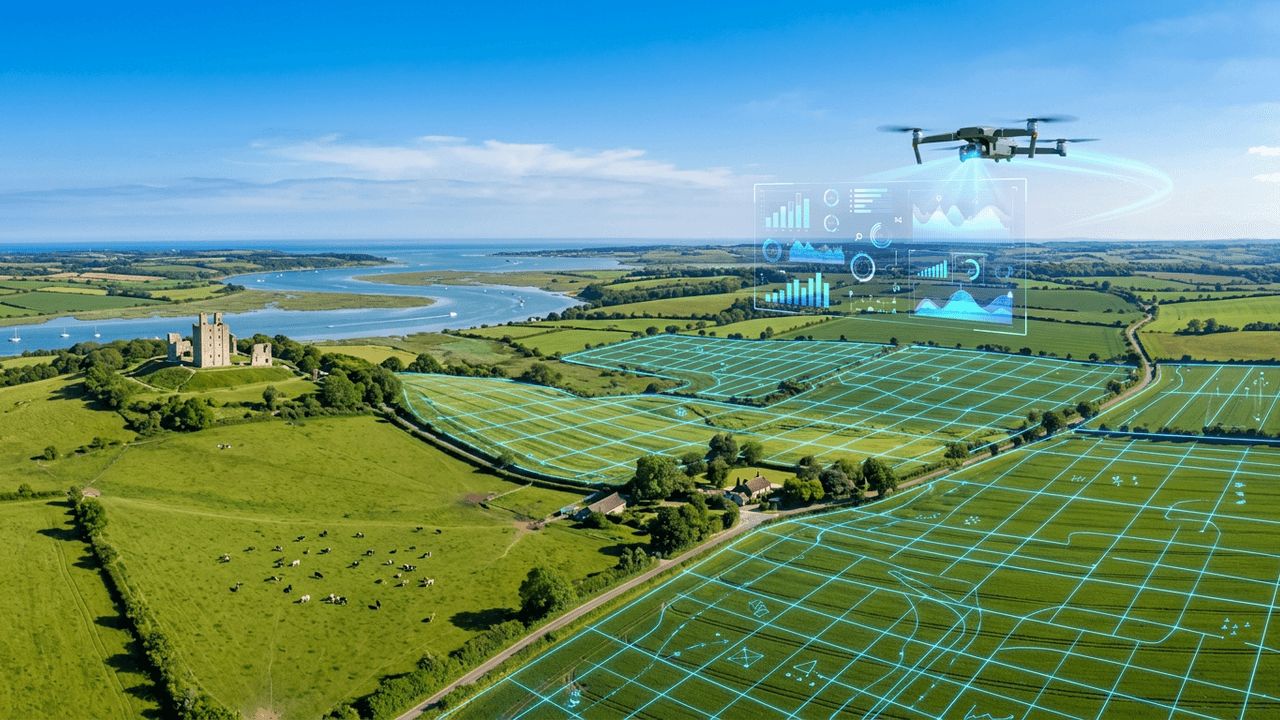
Precision farming technology, regenerative agriculture, renewable energy and diversification into tourism are reshaping Essex agriculture. Drones, satellite mapping and soil sensors help farmers use inputs more efficiently, while demand for local and traceable food continues to grow among Castle Point consumers.
Final Thoughts
From Hadleigh Farm's rare breeds and community work to the fruit-growing heritage of Wilkin and Sons and the agronomy expertise of Frontier and Hutchinsons, farming around Castle Point is diverse and forward-looking. Supporting these businesses helps protect the countryside, strengthen the local economy and ensure fresh, high-quality food remains on our tables.
Want your brand featured in front of decision-makers? Publish a guest post or get a link insertion in our guides through AAMAX's guest post and link insertion service.
Helpful Links
 SponsoredAAMAX — Full-Service Digital Agency
Write for Us
Share your expertise with our readers. We welcome guest contributions from industry specialists.
Pitch your idea