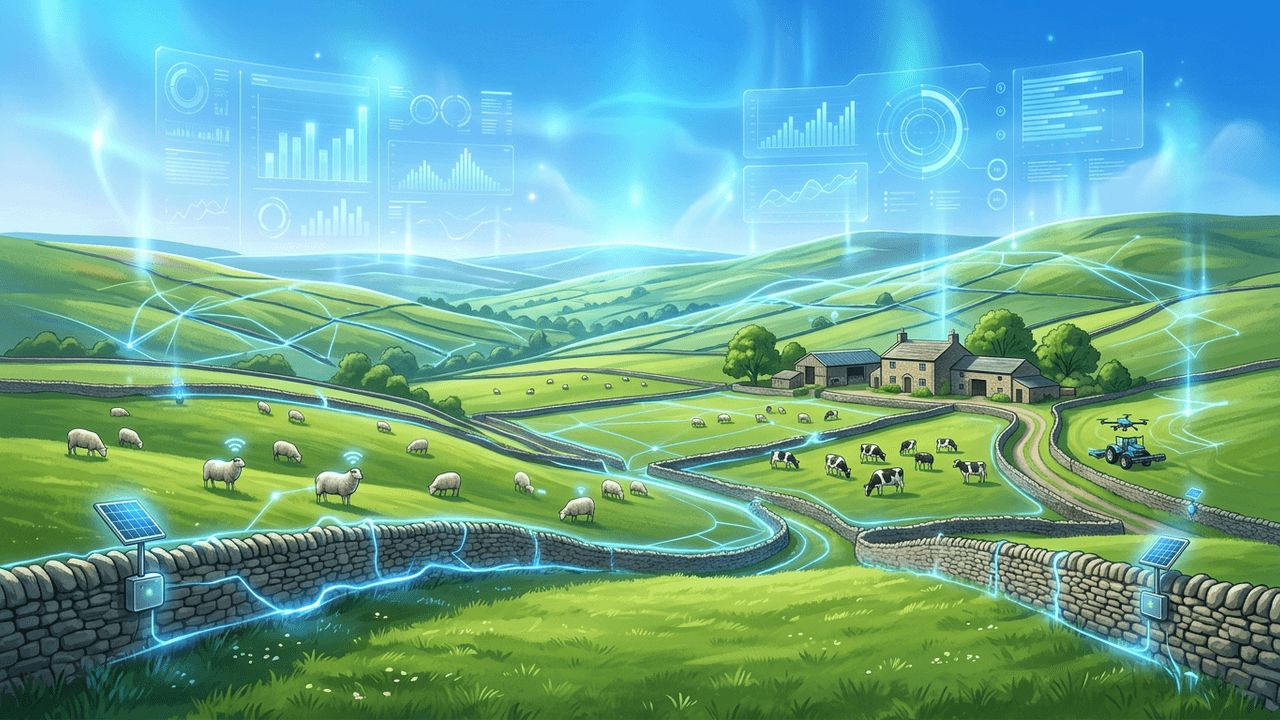
Farming on the Edge of the Pennines
Step outside Burnley's town centre and you quickly find yourself among dry stone walls, sheep-grazed hillsides and dairy farms. The borough sits on the western edge of the South Pennines, with upland areas around Hurstwood, Worsthorne and Cliviger that have been farmed for centuries. The climate is wet and the soils are often heavy, so livestock farming, particularly sheep, beef and dairy, dominates. Farming here is also closely tied to conservation, water management and tourism.
This guide profiles ten farming companies and organisations that play a central role in the agricultural economy around Burnley, from milk buyers and feed suppliers to livestock markets and training providers.
The Top 10 Farming Companies Serving Burnley
1. Arla Foods
Arla Foods is a farmer-owned dairy cooperative and one of the largest milk buyers in the UK. Many Lancashire dairy farmers supply Arla, benefiting from cooperative ownership, sustainability programmes and a strong market for fresh milk, butter and cheese.
2. Müller Milk and Ingredients
Müller is another major milk processor buying from dairy farms across the North West. It works with farmers on animal welfare, environmental standards and milk quality, providing a vital outlet for dairy producers in Pennine Lancashire.
3. Carrs Billington
Carrs Billington is a leading agricultural merchant in northern England, supplying animal feed, fertiliser, animal health products, fencing and farm equipment. Its country stores in Lancashire serve farmers around Burnley with practical supplies and expert advice.
4. ForFarmers
ForFarmers is a major animal feed supplier producing compound feeds for dairy, beef, sheep, pigs and poultry. Its nutritionists work with Lancashire farmers to optimise rations, improve productivity and reduce environmental impact.
5. Gisburn Auction Mart
Gisburn Auction Mart, in the Ribble Valley, is an important livestock market serving farmers from Burnley, Pendle and the Yorkshire Dales. Its regular sales of sheep, cattle and store stock provide transparent price discovery and a social hub for the farming community.
6. Skipton Auction Mart
Skipton Auction Mart is one of the busiest livestock markets in northern England, drawing farmers from across Lancashire and Yorkshire. It hosts prime and store sales, breed society events and machinery auctions, and plays a key role in the regional livestock trade.
7. Clitheroe Auction Mart
Clitheroe Auction Mart provides another local option for Burnley area farmers to buy and sell livestock. Its proximity and community focus make it a valued part of the Ribble Valley and Pendle agricultural network.
8. NFU North West
The National Farmers' Union represents farmers in policy discussions, provides advice on regulations, and supports members with legal, planning and business issues. Its North West team works with Lancashire farmers on challenges ranging from subsidies to bovine TB and environmental schemes.
9. Myerscough College
Myerscough College near Preston is one of the UK's leading land-based colleges, offering courses and apprenticeships in agriculture, animal science and farm management. Many young farmers from the Burnley area train there, helping sustain skills in the next generation.
10. Agrii
Agrii is an agronomy and farm inputs company providing seed, crop protection, fertiliser and advisory services. For grassland farms around Burnley, its advice on reseeding, soil health and nutrient management helps improve forage quality and yields.
The Unique Challenges of Upland Farming
Farming around Burnley is demanding. High rainfall, steep ground and short growing seasons limit crop options, so farmers focus on grass-based livestock systems. Margins can be tight, and many farms diversify into holiday lets, farm shops, contracting or renewable energy to maintain income.
Environmental stewardship is increasingly important. Upland farms help protect peatland, manage water catchments that supply reservoirs, and support biodiversity. Government environmental land management schemes reward farmers for delivering these public goods.
Trends Shaping Farming in the Region
Sustainability and carbon reduction are high on the agenda. Dairy processors and supermarkets increasingly ask farmers to measure and reduce emissions, improve soil health and enhance biodiversity. Precision livestock tools such as electronic identification, weighing systems and health monitoring are becoming more common, even on smaller family farms.
Local food is also enjoying renewed interest. Consumers in Burnley are keen to buy locally reared lamb, beef and dairy products, supporting farm shops and farmers' markets across Pennine Lancashire.
Supporting Local Farmers
Residents can support local agriculture by buying from farm shops, choosing British produce in supermarkets and respecting the countryside when walking on moorland paths. Closing gates, keeping dogs on leads near livestock and following the Countryside Code all help protect the livelihoods of Burnley's farmers.
How Farmers Can Choose Partners
Farmers should compare milk contracts, feed prices and advisory services carefully, considering payment terms, support and long-term reliability. Cooperatives offer shared ownership, while merchants and advisors bring specialist expertise. Building strong relationships with trusted partners is often the key to resilience in a challenging sector.
Final Thoughts
Farming remains an essential part of Burnley's identity and landscape. Through dairy cooperatives, feed suppliers, livestock markets, training providers and representative bodies, the farming community around Burnley is supported by a strong network that helps it adapt, innovate and thrive for generations to come.
Want your brand featured in front of decision-makers? Publish a guest post or get a link insertion in our guides through AAMAX's guest post and link insertion service.
Helpful Links
 SponsoredAAMAX — Full-Service Digital Agency
Write for Us
Share your expertise with our readers. We welcome guest contributions from industry specialists.
Pitch your idea