The Lea Valley: A Growing Heritage
Few places in England have a farming story quite like Broxbourne. The Lea Valley, which runs through Cheshunt, Wormley, Hoddesdon and neighbouring Nazeing, became famous in the twentieth century as a centre for glasshouse horticulture. At its peak, the valley was covered with greenhouses producing tomatoes, cucumbers and flowers for London's markets, and the valley's nurseries earned a reputation as the kitchen garden of the capital.
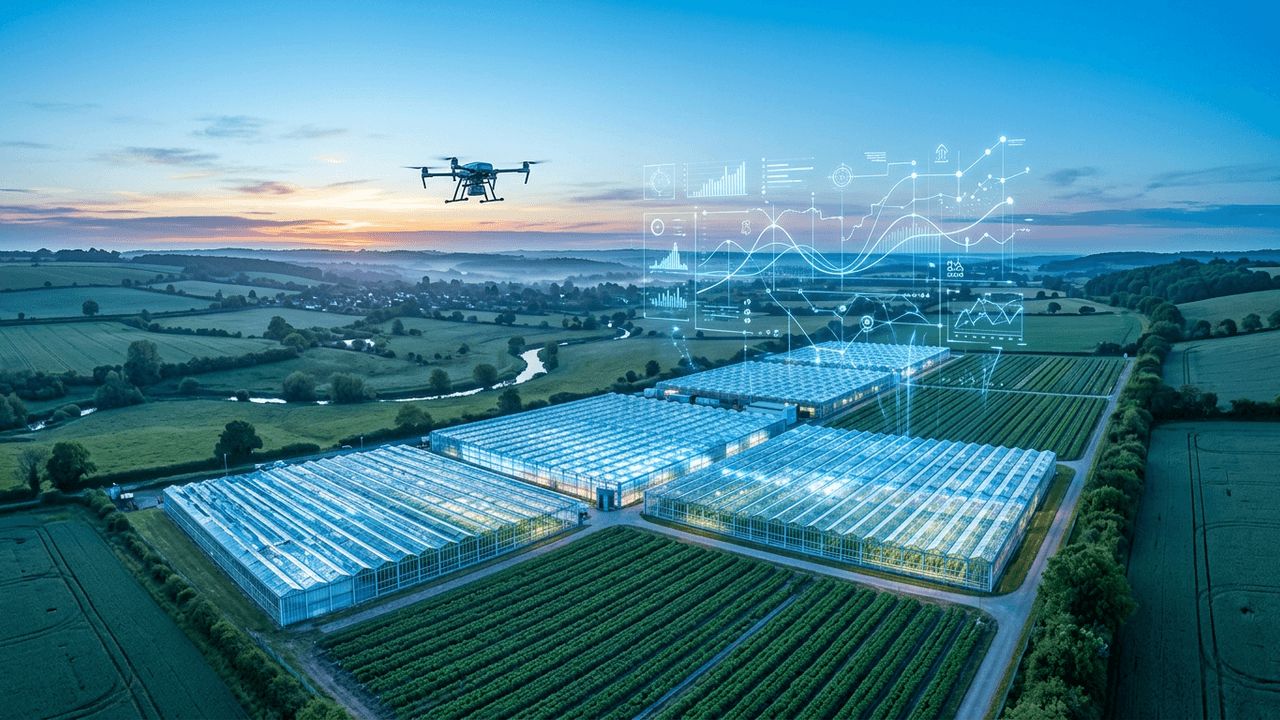
Today the industry has consolidated into fewer, larger and more technologically advanced growers. Modern glasshouses in the valley use climate control, hydroponics, energy-efficient heating and biological pest control to produce salad crops, peppers and herbs throughout much of the year. Alongside these growers, arable farms, livestock holdings and agricultural service companies continue to support the wider Hertfordshire rural economy.
What Makes a Leading Farming Business
The best farming companies combine productivity with sustainability. They invest in technology, maintain high food safety and welfare standards, manage soil and water responsibly and build strong relationships with retailers and local communities. Many also play an active role in education and public engagement, helping people understand where their food comes from.
The Top 10 Farming Companies In and Around Broxbourne
1. Glinwell
Glinwell is one of the most prominent growers in the Lea Valley, producing tomatoes, peppers and other salad crops for major UK retailers. Its investment in modern glasshouse technology reflects the area's long tradition of horticultural innovation.
2. Valley Grown Salads
Based in the heart of the Lea Valley, Valley Grown Salads specialises in cucumbers, peppers and other salad vegetables. The business is known for its high standards of quality and its commitment to local, seasonal British produce.
3. Double H Nurseries
Double H Nurseries is a well-established Lea Valley grower producing salad crops under glass. Its long experience and continued investment make it an important contributor to the region's reputation for fresh produce.
4. Lea Valley Growers Association
The Lea Valley Growers Association represents the interests of the valley's glasshouse growers. It provides a collective voice on planning, energy, labour and policy issues and helps promote the region's produce.
5. Lee Valley Park Farms
Lee Valley Park Farms welcomes visitors to experience working farm life, with livestock, educational activities and seasonal events. It plays a valuable role in connecting local families and schools with agriculture.
6. Church Farm Ardeley
Church Farm Ardeley is a pioneering Hertfordshire community farm known for regenerative practices, pasture-raised livestock and a farm shop. It demonstrates how farming can support biodiversity and local food networks.
7. Frontier Agriculture
Frontier Agriculture is one of the UK's leading arable businesses, providing crop inputs, agronomy advice and grain marketing. Hertfordshire farmers rely on its expertise to improve yields and manage costs.
8. Agrii
Agrii offers agronomy, seed, crop protection and precision farming services. Its research-led approach helps local farms adopt sustainable practices while maintaining productivity.
9. Openfield Agriculture
Openfield is a farmer-owned grain marketing and storage business that helps growers access markets and manage price risk. Its cooperative model gives members a stronger position in a volatile market.
10. Brown & Co
Brown & Co provides rural property, agribusiness and farm consultancy services. Landowners and farmers across Hertfordshire use it for advice on diversification, land management and environmental schemes.
Trends Shaping Local Agriculture
Energy efficiency is a major focus for glasshouse growers, with investments in combined heat and power, heat recovery, LED lighting and renewable energy helping to control costs and cut emissions. Automation and data-driven climate control are reducing labour demands and improving consistency, while biological pest control has largely replaced chemical approaches in modern glasshouses.
On arable and livestock farms, the transition to environmental land management schemes is reshaping business models. Farmers are increasingly paid for delivering environmental benefits such as hedgerow restoration, wildflower margins and improved soil health, alongside producing food.
The Importance of Local Food Supply
Recent disruptions to global supply chains have highlighted the value of home-grown produce. The Lea Valley's proximity to London, one of the world's largest food markets, means fresher products, fewer food miles and a resilient supply for retailers and consumers. Supporting local growers also sustains employment and preserves the borough's distinctive horticultural character.
Residents can play their part by choosing British produce, visiting farm shops and attending local food events. Schools and community groups increasingly partner with farms for educational visits, fostering the next generation of growers.
Challenges and Opportunities
Labour availability, rising input costs and planning pressures on land remain significant challenges. However, advances in vertical farming, precision agriculture and renewable energy integration present real opportunities for Broxbourne's growers to remain competitive and lead the way in sustainable food production.
Conclusion
Broxbourne's farming story is one of innovation and resilience. From high-tech glasshouses to community farms and specialist advisers, the businesses above demonstrate the strength and diversity of agriculture in and around the borough.
Want your brand featured in front of decision-makers? Publish a guest post or get a link insertion in our guides through AAMAX's guest post and link insertion service.
Helpful Links
 SponsoredAAMAX — Full-Service Digital Agency
Write for Us
Share your expertise with our readers. We welcome guest contributions from industry specialists.
Pitch your idea