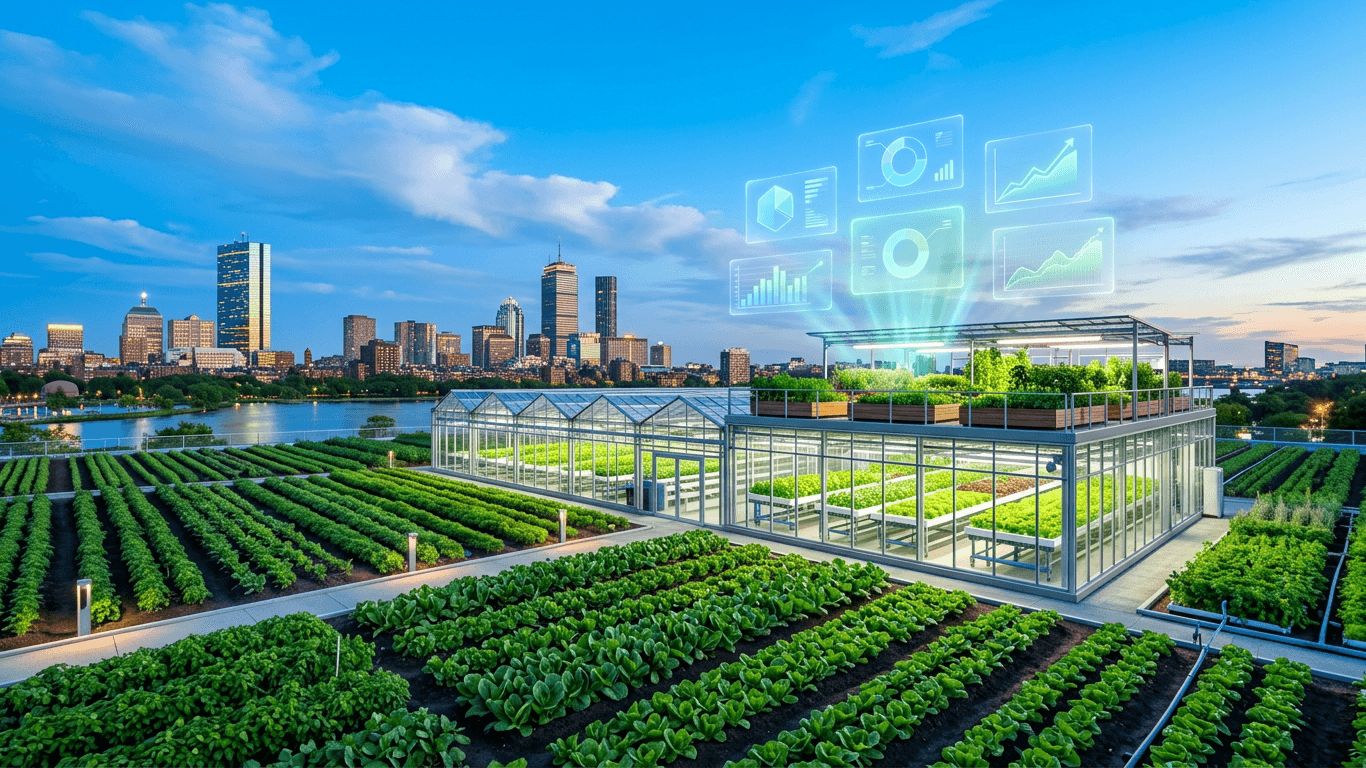
Farming in and Around Boston
It may surprise some people that Boston has a thriving farming community. While the city itself is densely developed, the surrounding suburbs and nearby countryside are home to historic family farms, educational farms, and innovative indoor growers. Urban agriculture has also grown within city limits, supported by local zoning that encourages rooftop farms and community gardens.
Boston residents increasingly value fresh, local food, and farms have responded with farm stands, community-supported agriculture subscriptions, farmers market stalls, and wholesale partnerships with restaurants. Here are ten farming operations that stand out in the Greater Boston area.
1. Allandale Farm
Straddling the border of Boston and Brookline, Allandale Farm is often described as Boston's last working farm. It grows vegetables, flowers, and herbs using sustainable practices and operates a popular farm stand. Allandale also offers educational programs that connect city residents and children with the process of growing food.
2. Wilson Farm
Wilson Farm in Lexington has been operated by the same family for generations. It grows a wide variety of vegetables, fruits, and flowers on its home farm and additional land in New Hampshire. Its year-round farm stand, greenhouse, and bakery make it one of the most popular farm destinations near Boston.
3. Verrill Farm
Concord's Verrill Farm is a family farm known for sweet corn, tomatoes, strawberries, and seasonal produce. Its farm stand features prepared foods, baked goods, and local products, and its seasonal festivals attract visitors from across Greater Boston.
4. Little Leaf Farms
Little Leaf Farms operates high-tech greenhouses in Devens, Massachusetts, producing packaged baby lettuce year-round. Using sustainable hydroponic methods and captured rainwater, the company supplies supermarkets across the Northeast with fresh greens that travel far shorter distances than lettuce shipped from the West Coast.
5. The Food Project
The Food Project is a nonprofit that engages young people in sustainable agriculture on farms in Lincoln, Boston, and the North Shore. It grows produce for farmers markets, hunger relief organizations, and community-supported agriculture members, while building leadership skills among teens.
6. Drumlin Farm
Drumlin Farm, a Mass Audubon wildlife sanctuary in Lincoln, combines a working farm with environmental education. It raises vegetables and livestock using sustainable practices and offers programs that teach visitors about farming, ecology, and conservation.
7. Appleton Farms
Appleton Farms in Ipswich, managed by The Trustees, is one of the oldest continuously operating farms in the United States. It runs a dairy, a community-supported agriculture program, and educational activities, preserving centuries of agricultural heritage north of Boston.
8. Higher Ground Farm
Higher Ground Farm pioneered rooftop farming in Boston, demonstrating how unused urban spaces can grow fresh produce. Its work has inspired a broader movement of urban agriculture projects in the city and highlighted the potential for food production in dense neighborhoods.
9. Brookwood Community Farm
Brookwood Community Farm in Canton grows organic vegetables within the Blue Hills Reservation. It operates a community-supported agriculture program and donates a portion of its harvest to local food access organizations, strengthening community connections to fresh food.
10. Codman Community Farms
Codman Community Farms in Lincoln is a nonprofit farm that raises vegetables, pastured livestock, and eggs. Its farm store, educational programs, and community events help preserve agricultural land and introduce families to local food production.
The Growth of Urban and Controlled-Environment Agriculture
Boston has become a testing ground for urban farming. Rooftop gardens, hydroponic container farms, and indoor vertical farms are producing leafy greens, herbs, and microgreens close to consumers. These approaches reduce transportation, extend growing seasons through New England winters, and use water efficiently. Local universities and startups continue to research lighting, automation, and crop science to make indoor farming more economical.
Trends in Local Farming
Demand for community-supported agriculture continues to grow, giving farms predictable income and customers weekly boxes of fresh produce. Regenerative practices such as cover cropping and reduced tillage are improving soil health. Agritourism, including pick-your-own fields and farm festivals, helps family farms diversify revenue while educating visitors.
How to Support Local Farms
Boston residents can support local agriculture by joining a community-supported agriculture program, shopping at farm stands and farmers markets, and choosing restaurants that source locally. Volunteering with nonprofit farms is another meaningful way to contribute and learn about food production.
Frequently Asked Questions
What is community-supported agriculture?
Community-supported agriculture is a subscription model where members pay a farm in advance and receive regular shares of produce throughout the growing season.
Can farms near Boston grow food year-round?
Greenhouses, hoop houses, and indoor growing systems allow many local farms to produce greens and other crops even during New England winters.
Farm-to-Table Partnerships in Boston
Many of Boston's acclaimed restaurants build menus around produce from nearby farms. Chefs visit farm stands, buy at farmers markets, and arrange direct deliveries during the peak season. These partnerships give farms reliable buyers and give diners fresher, more flavorful food that reflects the rhythms of the New England growing season.
Final Thoughts
Boston's farming community blends history, education, and innovation. These ten operations keep agricultural traditions alive while exploring new ways to bring fresh, local food to the region's residents.
Want your brand featured in front of decision-makers? Publish a guest post or get a link insertion in our guides through AAMAX's guest post and link insertion service.
Helpful Links
 SponsoredAAMAX — Full-Service Digital Agency
Write for Us
Share your expertise with our readers. We welcome guest contributions from industry specialists.
Pitch your idea