Farming in the Barnsley Borough
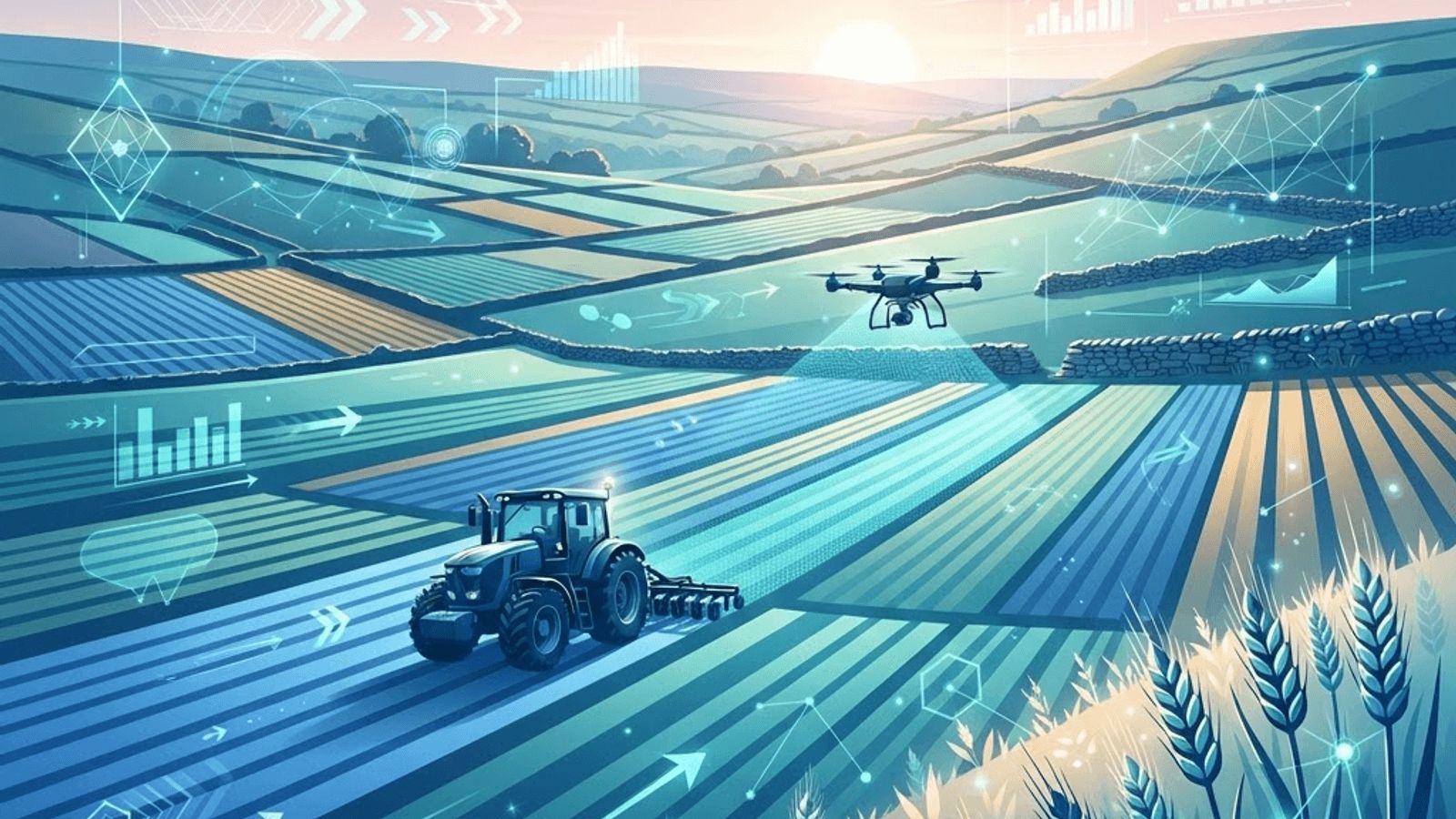
Barnsley is often remembered for coal, but agriculture has shaped its landscape for far longer. Travel a few miles west of the town centre and the terrain rises towards Penistone, Thurlstone and the edge of the Peak District, where stone walls divide permanent pasture grazed by sheep and cattle. To the east and south, gentler land around Cudworth, Great Houghton and Wombwell supports arable cropping and mixed farming.
This variety gives the borough an unusually diverse agricultural profile for its size. Upland livestock farms, lowland cereal producers, dairy units, poultry enterprises, equine businesses and horticultural growers all operate within a short radius, supported by a network of contractors, feed merchants, vets and machinery dealers.
What Defines a Leading Farming Business
Modern farming success rests on more than yield. The strongest businesses manage soil health deliberately, control input costs, understand their cost of production per unit, diversify income sensibly and engage with environmental schemes that reward stewardship. Increasingly they also communicate directly with consumers, building brand value around provenance and welfare.
Technology adoption has accelerated. Soil sampling and variable rate application, GPS guidance, electronic identification for livestock, sensor-based grain storage monitoring and farm management software are now common on well-run holdings, including family farms of modest scale.
The Top 10 Farming Companies and Enterprises in the Barnsley Area
1. Family livestock farms of the Penistone uplands. The character of Barnsley farming is defined by long-established family businesses running sheep and suckler cattle on Pennine fringe grassland. Their strengths are hardy genetics suited to exposed conditions, generational grassland knowledge and careful management of marginal land. Many now supply regional butchers and farm shops directly, capturing more value than commodity routes allow.
2. Mixed arable and livestock farms of the Dearne Valley. On better lowland soils, mixed enterprises combine cereals, oilseeds and forage with livestock, spreading risk across markets. Rotational diversity supports soil structure and reduces reliance on purchased fertiliser, and grain storage on farm gives flexibility over selling dates.
3. Dairy producers of the western borough. Dairy remains demanding but rewarding for well-managed units. Leading local producers focus on forage quality, cow comfort, herd health planning and accurate milk recording, working with processors that reward butterfat and protein content. Some have added on-farm processing, pasteurising milk or making cheese and ice cream for local sale.
4. Poultry and egg enterprises. Free-range egg production has grown across South Yorkshire, providing steady cash flow alongside other enterprises. Successful operations invest in biosecurity, range management with tree planting for bird welfare, and packing arrangements that reach regional retailers reliably.
5. Farm shops and direct-sale farming businesses. A number of holdings around Barnsley have built retail operations selling their own meat, eggs, vegetables and preserves alongside local products. These businesses differentiate through traceability, seasonal ranges and a customer experience that supermarkets cannot replicate, often supported by cafés that draw visitors from across the district.
6. Agricultural contracting businesses. Contractors provide silaging, combining, baling, hedge cutting, muck spreading and drilling for farms that cannot justify owning specialist machinery. Their value lies in modern, high-capacity equipment and skilled operators who can complete critical operations within narrow weather windows.
7. Equine and livery enterprises. Barnsley's proximity to population centres supports substantial equine activity, including livery yards, riding schools and grass keep. For landowners, equine income can complement traditional farming while making use of buildings and paddocks that no longer suit commercial livestock.
8. Horticultural growers and market gardens. Smaller-scale vegetable and salad producers supply local shops, box schemes and restaurants. Their competitive advantage is freshness and variety, growing crops that travel poorly and therefore hold premium value when sold within a short distance of harvest.
9. Environmental land management businesses. A growing group of farms treat stewardship as a core enterprise, entering agri-environment agreements, restoring hedgerows and ponds, creating wildflower margins and managing woodland. Payments for public goods now form a meaningful and comparatively stable income line.
10. Diversified estate and rural business operations. Larger holdings often combine farming with lettings, renewable energy, storage, weddings, glamping or educational visits. Diversification cushions commodity volatility and creates rural employment, though the best operators are careful not to let non-farming activity distract from agricultural performance.
Policy and Market Trends
The shift from area-based subsidy towards payment for environmental outcomes has been the defining policy change of the decade for English farming. Barnsley farms are adapting by measuring their environmental baseline, planning capital works such as fencing and water infrastructure, and identifying which land parcels deliver most value through production versus stewardship.
Input volatility remains a challenge. Fertiliser, fuel and feed prices have moved sharply in recent years, pushing farms towards nutrient planning, home-grown protein, clover-rich swards and better use of organic manures. Labour availability is another pressure, encouraging investment in automation and simplified systems.
The Local Food Opportunity
Consumer interest in local provenance continues to strengthen, and Barnsley's markets, independent butchers and hospitality businesses provide accessible routes for producers. Farms willing to invest in storytelling, packaging and consistent supply can access margins unavailable through commodity channels. Collaboration between producers to offer a combined range has proven particularly effective.
Conclusion
Farming in Barnsley reflects the borough's wider character: practical, resilient and quietly innovative. From Pennine sheep farms to lowland arable units, farm shops to contracting businesses, the sector sustains landscape, food supply and rural employment. Its future looks likely to reward those who combine production efficiency with genuine environmental performance and a direct connection to the people who eat their food.
Want your brand featured in front of decision-makers? Publish a guest post or get a link insertion in our guides through AAMAX's guest post and link insertion service.
Helpful Links
 SponsoredAAMAX — Full-Service Digital Agency
Write for Us
Share your expertise with our readers. We welcome guest contributions from industry specialists.
Pitch your idea