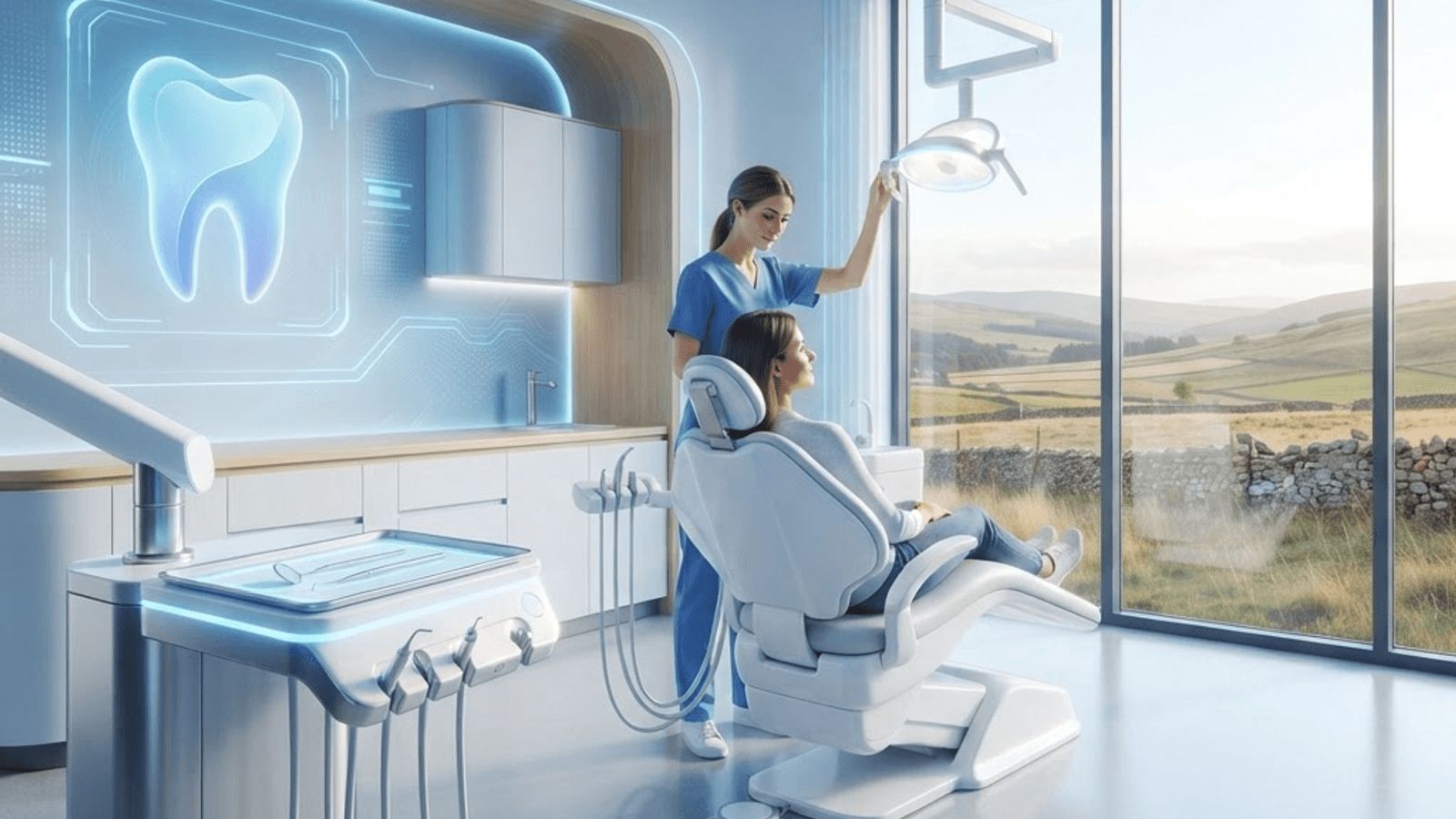
Why Eye Care Deserves More Attention Than It Gets
An eye test is one of the most informative routine health checks available, yet many people go years between appointments. A thorough examination assesses far more than whether you can read the bottom line of a chart. It measures intraocular pressure to screen for glaucoma, examines the retina for signs of diabetic damage and macular degeneration, checks the health of the optic nerve, and can reveal indications of high blood pressure and raised cholesterol. For a district like North Kesteven with an ageing rural population, that screening role is significant.
The district is served by a combination of national optical chains with branches in Sleaford and the Lincoln fringe, independent practices with deep local roots, and hospital ophthalmology departments handling surgical and specialist care. Together they provide a reasonably complete pathway from routine sight test through to cataract surgery and ongoing management of chronic eye conditions.
Ten Eye Care Providers in and Around the District
Specsavers is the most widely used optical brand in the country and has a strong Lincolnshire presence. Its appeal rests on accessible pricing, a large frame range at fixed price points, digital retinal photography as standard in most branches, and a hearing care service alongside optics. Home eye tests for those unable to attend a branch are a valuable addition in a rural district.
Boots Opticians combines optical services with the wider Boots health offer, which suits customers who prefer to manage several health needs in one visit. Its practices typically provide advanced retinal scanning, contact lens services and a structured approach to follow-up reminders.
Vision Express is known for its emphasis on clinical technology, including optical coherence tomography scanning that produces cross-sectional images of the retina. This level of detail can detect changes years before symptoms appear, and it has become a key differentiator in the optical market.
Scrivens Opticians and Hearing Care operates across the Midlands with a community focus and combined eye and hearing provision. For older customers managing both sight and hearing changes, the convenience of a single trusted provider is a genuine benefit.
Sleaford Eyecare represents the independent side of the market, where longer appointment times and continuity with the same optometrist are the main draws. Independents typically curate a more distinctive frame selection and take more time over complex prescriptions.
North Hykeham Opticians serves the growing southern Lincoln fringe, with a family orientation covering children's vision screening, myopia management and adult routine care.
Lincoln County Hospital Ophthalmology is the main referral destination for surgical and specialist treatment, handling cataract surgery, glaucoma management, medical retina clinics and emergency eye care. Referrals from local optometrists route here for most residents of the district.
Newmedica partners with the NHS to deliver ophthalmology services in community settings across England, including cataract surgery and glaucoma monitoring. Its model reduces waits by taking high-volume routine procedures out of the acute hospital environment.
SpaMedica operates on a similar basis, specialising in cataract surgery and providing transport support for patients who cannot easily travel, which matters considerably in rural parishes.
Optegra Eye Health Care completes the list as a private provider focused on refractive surgery, lens replacement and complex eye treatment for patients who choose to go outside the NHS pathway.
Understanding the Eye Examination
A standard sight test in the United Kingdom is a regulated clinical examination, not simply a retail step towards buying glasses. It includes measurement of visual acuity, refraction to determine the correct lens prescription, assessment of eye muscle coordination and binocular vision, examination of the external and internal eye, and screening checks appropriate to your age and history.
Many people are entitled to a free NHS sight test, including those aged sixty and over, children under sixteen, people with diabetes or glaucoma, close relatives of glaucoma patients aged forty and over, and those receiving certain benefits. Given how much the test covers, taking up that entitlement every two years, or annually if advised, is straightforward preventative healthcare.
Conditions Detected Early
Glaucoma is often called the silent thief of sight because peripheral vision loss progresses unnoticed until it is substantial and irreversible. Routine pressure checks and optic nerve assessment are the primary means of catching it early, when treatment with drops can preserve sight indefinitely.
Diabetic retinopathy affects the small blood vessels of the retina and is a leading cause of sight loss in working-age adults. Anyone diagnosed with diabetes is invited to annual retinal screening, and in Lincolnshire this is delivered partly through visiting screening services that reach local sites.
Age-related macular degeneration affects central vision and becomes more common with age. The wet form can progress rapidly but responds well to injection treatment if caught early, which makes prompt reporting of distorted or blurred central vision genuinely urgent.
Cataract, by contrast, develops slowly and is highly treatable. Modern surgery is a short day-case procedure with excellent outcomes, and community providers have significantly reduced waiting times in recent years.
Children's Vision
Undetected vision problems in children can affect reading, classroom confidence and coordination. Because children rarely realise their sight is unusual, they seldom complain. School vision screening catches some cases, but a full optometric examination is more thorough and is free for under-sixteens. Myopia management, using specialist spectacle lenses or contact lenses to slow the progression of short-sightedness, has become an important service as screen use has increased.
Choosing Frames and Lenses Sensibly
Lens technology has advanced considerably. Anti-reflective coatings reduce glare for night driving on unlit Lincolnshire roads, photochromic lenses adapt to changing light, and varifocals have improved markedly in field of view. Blue light filtering remains debated clinically but many screen users report subjective comfort benefits.
The most important factor is accurate measurement and fitting. A well-made lens in a poorly fitted frame will not perform as intended. Practices that take careful measurements, offer proper adjustment afterwards and invite you back if anything feels wrong deliver far better outcomes than those focused solely on the sale.
Final Thoughts
Eye care in North Kesteven is more capable than its rural setting might suggest, with national chains providing accessible routine testing, independents offering depth and continuity, and community surgical providers reducing the burden of travel for treatment. The single most useful thing any resident can do is simply book the test they have been putting off.
Want your brand featured in front of decision-makers? Publish a guest post or get a link insertion in our guides through AAMAX's guest post and link insertion service.
Helpful Links
 SponsoredAAMAX — Full-Service Digital Agency
Write for Us
Share your expertise with our readers. We welcome guest contributions from industry specialists.
Pitch your idea