Electronics and the Cambridge Technology Cluster
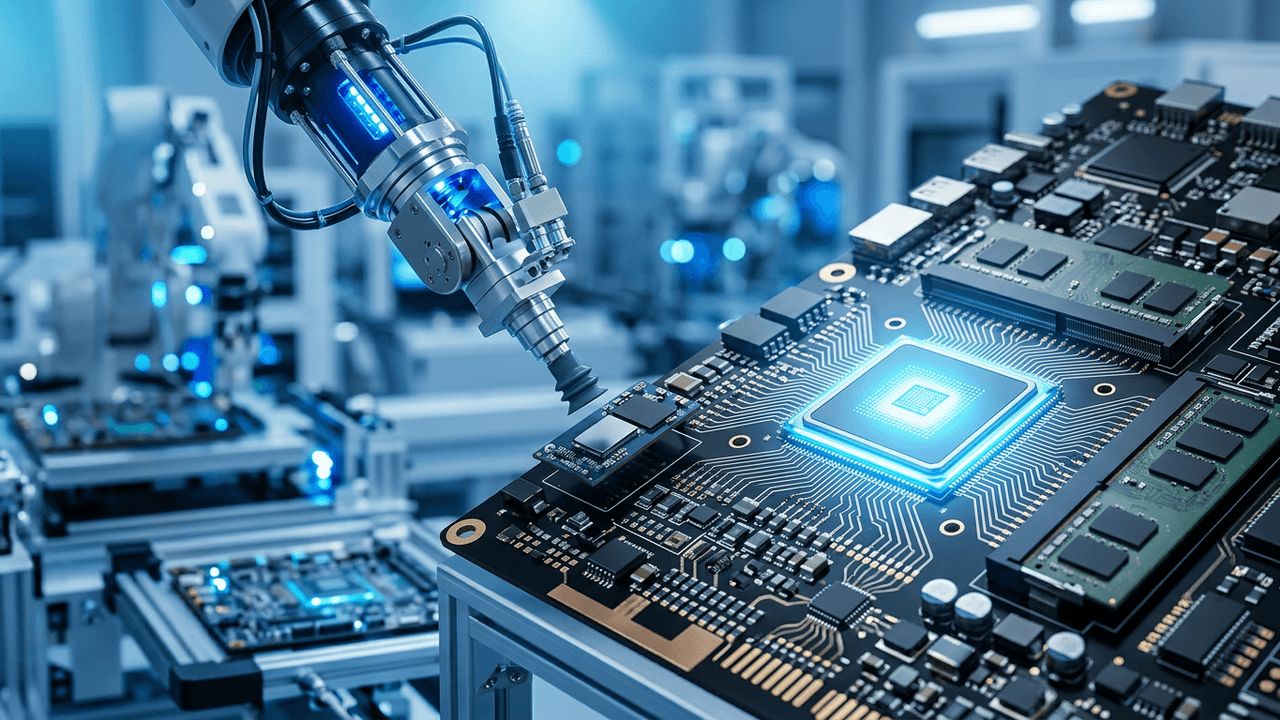
Few places in Europe have a stronger claim to electronics design heritage than the Cambridge area, and South Cambridgeshire has absorbed much of the resulting manufacturing activity. Semiconductor intellectual property, wireless communications, scientific instrumentation, sensors and embedded systems all have deep local roots, and the district's business and science parks host companies that turn these designs into physical products. The emphasis is firmly on high-value, low-to-medium volume production where engineering support, quality assurance and rapid iteration matter more than unit cost.
This produces a distinctive manufacturing ecosystem. Rather than large assembly plants, the district contains contract electronics manufacturers running flexible surface-mount lines, specialist test houses, cable and harness assemblers, enclosure and mechanical integrators, and design consultancies that take products from concept through certification. Many work on instruments destined for laboratories, medical devices, industrial control systems and communications infrastructure.
How to Assess an Electronics Manufacturer
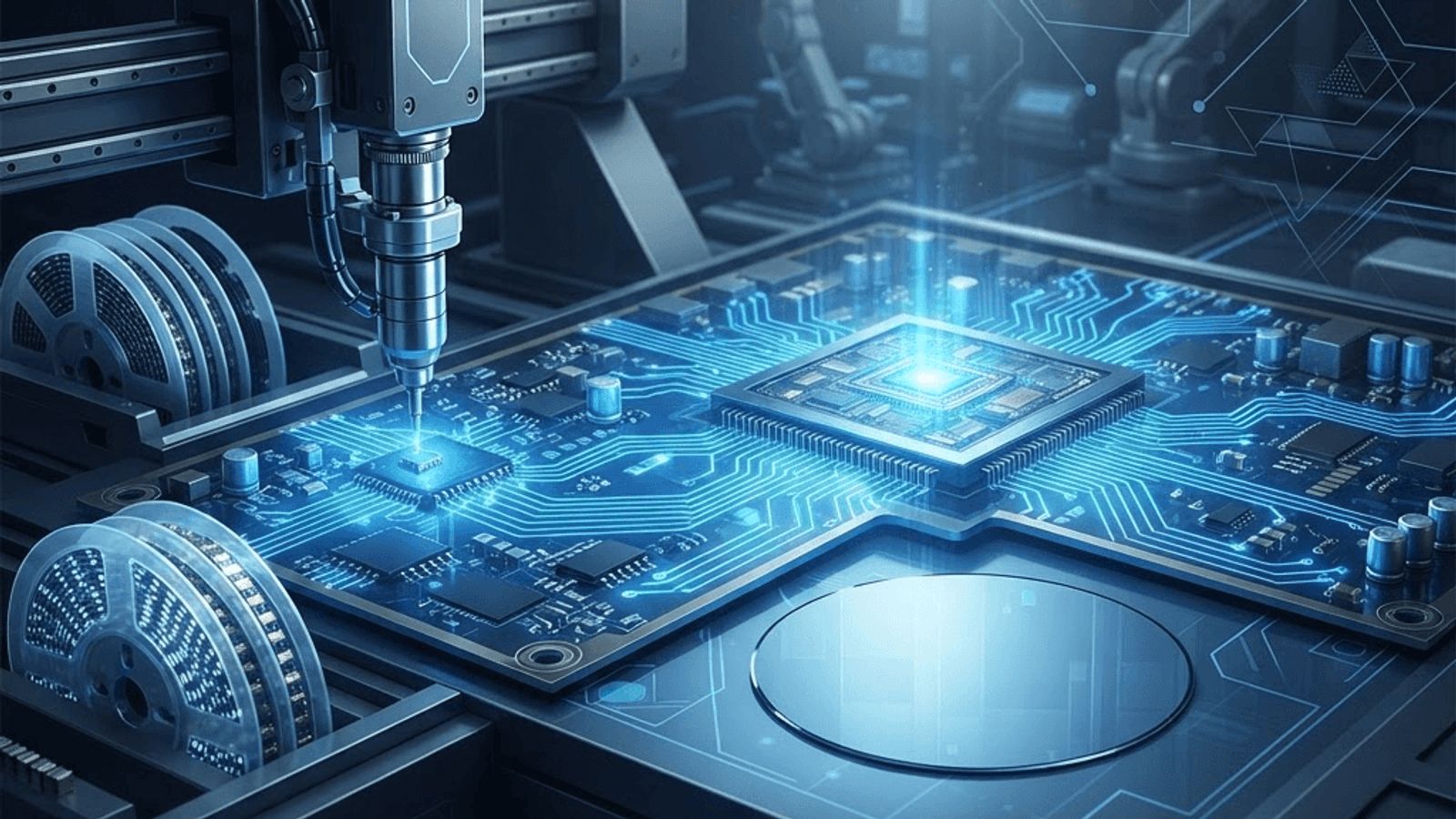
Technical capability should be examined in detail. For printed circuit board assembly, ask about minimum component sizes handled, fine-pitch and ball grid array capability, inspection methods including automated optical inspection and X-ray for hidden joints, and whether reflow profiles are developed per assembly. Quality systems matter: ISO 9001 as a baseline, ISO 13485 for medical devices, and aerospace or automotive standards where relevant. Traceability of components has become critical given counterfeit risk, so ask about approved distributor sourcing and lot tracking. Test capability, whether functional test development, boundary scan or environmental testing, distinguishes serious manufacturers from assembly-only operations.
The Top 10 Electronics Manufacturers in South Cambridgeshire
1. Granta Electronics Manufacturing
A contract manufacturer running multiple surface-mount lines with automated optical and X-ray inspection, conformal coating and functional test development. The company specialises in complex low-to-medium volume assemblies for instrumentation and medical clients, with strong engineering support during design transfer.
2. Shelford Instrumentation Systems
Designing and building scientific and analytical instruments, integrating precision electronics, optics, fluidics and embedded software. Much of the output serves research laboratories and diagnostic applications where measurement accuracy and calibration traceability are paramount.
3. Duxford Embedded Systems
Providing embedded hardware and firmware design through to production, covering microcontroller and system-on-module design, wireless connectivity, low-power optimisation and regulatory compliance testing for radio and electromagnetic compatibility approval.
4. Histon Semiconductor Test Services
Offering device characterisation, wafer-level and packaged part testing, reliability and burn-in services, failure analysis and qualification support for semiconductor developers who do not maintain their own test infrastructure.
5. Cambourne Cable & Harness Assembly
Manufacturing wiring harnesses, cable assemblies, connector terminations and control panels to defined build standards, with electrical continuity and insulation testing. Serves industrial machinery, laboratory equipment and vehicle applications.
6. Sawston Sensor Technologies
Developing and producing sensors for environmental, biomedical and industrial measurement, including thin-film and microfabricated devices, signal conditioning electronics and calibration services against traceable references.
7. Melbourn Power Electronics
Designing and building power conversion equipment, including switch-mode supplies, motor drives, battery management systems and grid-interface converters, with thermal design and efficiency optimisation as core competencies.
8. Papworth Enclosure & Integration
Providing mechanical integration for electronic products: sheet metal and machined enclosures, thermal management, ingress protection sealing, electromagnetic shielding, assembly and final product build with packaging and logistics support.
9. Fulbourn Prototyping Services
Focused on rapid turnaround, this company produces prototype printed circuit boards, quick-turn assemblies, hand-built engineering samples and small pilot batches, allowing design teams to iterate quickly before committing to production tooling.
10. Linton Rework & Repair Solutions
A specialist in rework, refurbishment and obsolescence management, including component replacement on fine-pitch packages, board repair, legacy product support and redesign to address end-of-life components in long-lifecycle equipment.
Supply Chain and Component Risks
Component availability has become the defining operational challenge in electronics manufacturing. Extended lead times on semiconductors, sudden obsolescence notices and counterfeit parts entering broker channels all create genuine risk. Effective manufacturers mitigate this through approved-source purchasing, strategic buffer stock on critical parts, design-stage advice on component selection to prefer widely available devices with multiple sources, and formal obsolescence monitoring across active bills of material. Buyers should ask specifically how a manufacturer handles a shortage notification, since substitution without engineering approval can compromise product performance or compliance.
Design for Manufacture
The largest cost savings in electronics production come from design decisions made before manufacturing begins. Panelisation and board outline choices affect assembly efficiency. Component footprint and courtyard spacing determine whether automated placement and inspection work reliably. Test point provision enables functional test rather than expensive manual fault-finding. Consistent component orientation and reduced part count lower placement time and error rates. Manufacturers in the district routinely offer design for manufacture reviews, and engaging with these early typically pays for itself several times over in reduced production cost and improved yield.
Compliance and Certification
Products placed on the market must meet applicable requirements covering electromagnetic compatibility, electrical safety, radio equipment where wireless is involved, restriction of hazardous substances, and waste electrical equipment obligations. Medical devices carry substantially heavier requirements around design control, risk management and clinical evaluation. Testing and documentation should be planned into the development timeline, since late-stage compliance failures usually require hardware changes and can delay launch by months.
Choosing a Manufacturer
Match capability to product complexity and volume, verify quality certifications, ask about component sourcing policy and test capability, and request a design for manufacture review as part of quotation. Visit the facility where possible, since assembly line condition and process discipline are readily apparent in person. South Cambridgeshire's electronics sector combines genuine engineering depth with flexibility, which suits technically demanding products particularly well.
Want your brand featured in front of decision-makers? Publish a guest post or get a link insertion in our guides through AAMAX's guest post and link insertion service.
Helpful Links
 SponsoredAAMAX — Full-Service Digital Agency
Write for Us
Share your expertise with our readers. We welcome guest contributions from industry specialists.
Pitch your idea