Electrical Work and Why Competence Is Non-Negotiable
Electricity is unforgiving of poor workmanship. A badly executed plumbing repair leaks; a badly executed electrical installation can cause fire or electrocution, sometimes years after the work was done. This is why electrical contracting is the most heavily regulated of the domestic trades and why verifying registration is essential rather than cautious.
Across Lisburn and Castlereagh, the workload reflects the local housing profile. Properties built before the 1970s often retain rewireable fuse boxes, no residual current protection, insufficient socket provision and, in some cases, deteriorating rubber or fabric-insulated cabling. Homes from the 1980s and 1990s typically need consumer unit upgrades to bring RCD protection up to current standards. Newer housing in Carryduff, Moira and the Lisburn fringe is generally compliant but increasingly needs capacity upgrades for electric vehicle charging, heat pumps and home working.
The Scope of Electrical Services
Domestic electrical work spans full and partial rewires, consumer unit replacement, additional sockets and lighting circuits, outdoor power and garden lighting, garage and outbuilding supplies, extractor fans and electric showers. Fault finding is a specialism in itself, with intermittent tripping and nuisance RCD operation requiring systematic testing rather than guesswork.
Testing and certification is a significant part of the trade. Electrical Installation Condition Reports are required for rental properties on a recurring basis and are strongly advisable for anyone buying an older home. Portable appliance testing serves landlords and businesses, and periodic inspection supports commercial compliance.
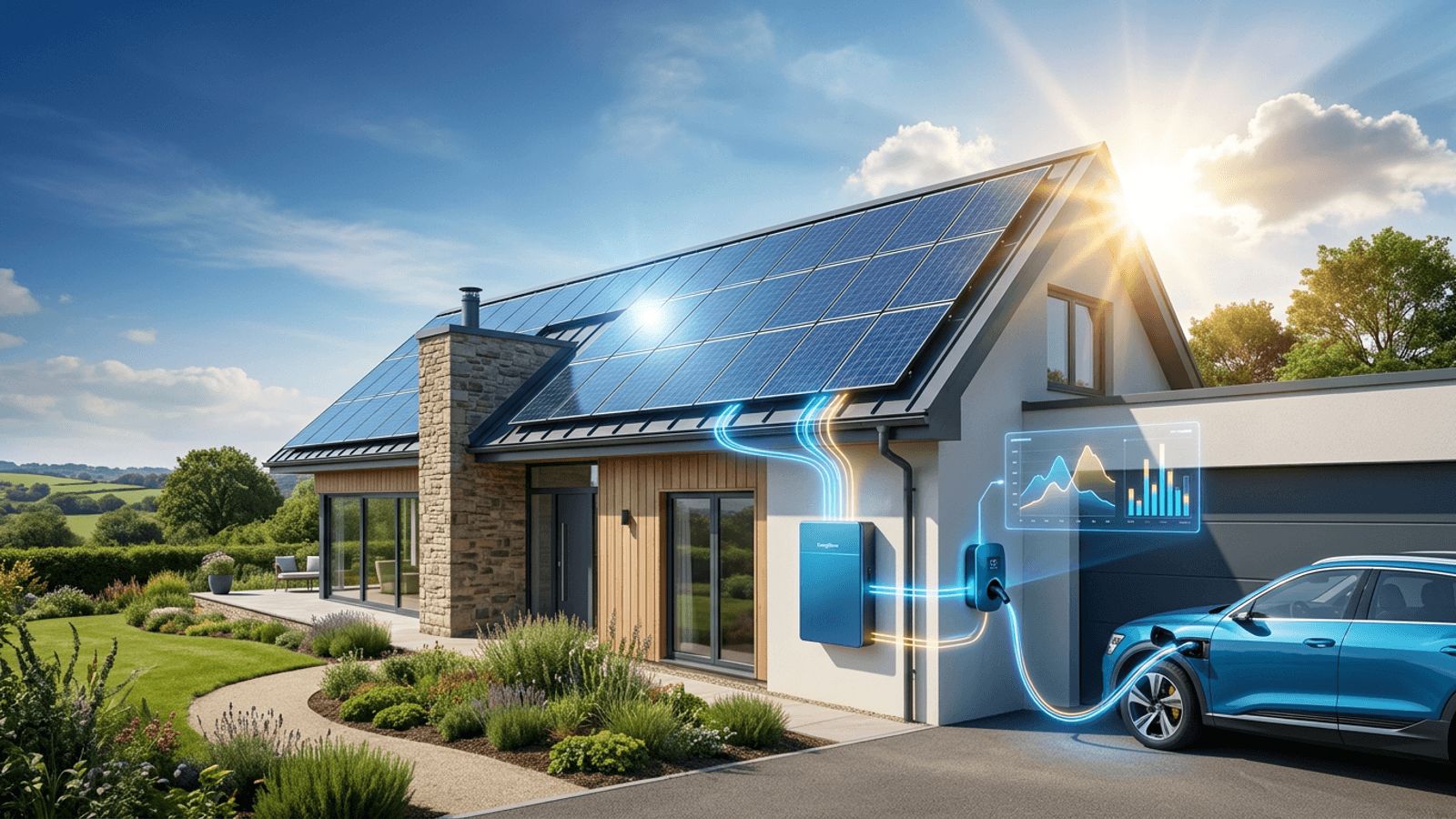
Electric vehicle charging has become one of the fastest-growing service lines. Installations require an assessment of the incoming supply capacity, earthing arrangements, load management to prevent overloading, and correct siting for cable safety. Solar photovoltaic installation and battery storage form a related growth area, involving DC systems, inverters, isolation, and grid connection notification.
Smart home and networking work covers automated lighting, smart thermostats, structured data cabling, wireless access points, integrated audio and CCTV power. Fire and safety systems include interlinked smoke and heat alarm installation, emergency lighting and carbon monoxide detection.
Commercial and industrial electrical services cover three-phase distribution, machine wiring, lighting design and LED retrofit, emergency lighting testing and planned maintenance for local businesses, schools and healthcare premises.
Leading Electrical Contractors Locally
Registered domestic and commercial electrical contractors such as Lagan Valley Electrical Services, Castlereagh Electrical Contractors and Hillsborough Electrical form the core of the market. Their defining feature is registration with a recognised scheme, allowing them to self-certify work and issue compliant certification, along with calibrated test equipment and documented inspection procedures.
EV charging and renewables specialists, including operations like Moira EV and Solar Solutions and Ravenhill Renewable Electrical, hold the additional qualifications required for charge point and solar PV installation. Their advantage is understanding load management and grid notification, which generalist electricians sometimes overlook.
Smart home and integration specialists such as Drumbo Smart Home Technology and Carryduff Home Automation focus on lighting control, networking and integrated systems, typically working alongside builders during renovation when cabling can be installed before plastering.
Testing and compliance specialists, exemplified by firms like Lisburn Electrical Testing Services, concentrate on condition reports, landlord certification and commercial periodic inspection, which requires methodical testing discipline more than installation speed.
Larger electrical and mechanical contractors, such as Knockmore Electrical Engineering, undertake commercial fit-outs, industrial installations and infrastructure work across the region.
Certification and Legal Requirements
Electrical work in domestic properties must comply with current wiring regulations and, where notifiable, with Building Control requirements. Registration with a competent person scheme such as NICEIC, ECA or a comparable body allows an electrician to certify their own work. On completion, you should receive either an Electrical Installation Certificate for new circuits or a Minor Electrical Installation Works Certificate for smaller alterations. Keep these documents; they are requested during property sales and insurance claims.
An Electrical Installation Condition Report is the diagnostic document for existing installations, grading observations by severity. Codes indicating danger present or potentially dangerous require prompt remedial action, while improvement recommendations can be planned. A report with no observations on a fifty-year-old installation should prompt scepticism rather than relief.
Insurance and guarantees matter too. Confirm public liability cover, and ask whether the scheme provider offers a workmanship warranty, which many do as part of registration.
EV Charging and Load Management
Electric vehicle charging deserves particular attention because it is where many local homes first encounter capacity limits. A typical domestic charger draws a sustained load comparable to an electric shower, and running it alongside a heat pump, electric oven and immersion heater can exceed the main fuse rating.
Competent installers carry out a maximum demand assessment, check the incoming supply and earthing arrangement, and where necessary fit load-managed chargers that automatically reduce output when household demand rises. They also address the specific earthing requirements for outdoor charging, either through an earth rod or a device that disconnects on detecting a fault condition.
Siting is practical rather than trivial. Cable routes should not cross walkways, the unit should be positioned for the vehicle's charge port, and weather protection matters in an exposed location.
Choosing an Electrician Wisely
Verify registration independently using the scheme's own register rather than accepting a logo. Ask which certificate you will receive on completion and confirm it before work starts. For a full rewire, request a written scope covering the number of circuits, socket and light positions, whether chasing and making good is included, and how long the property will be without power.
Be wary of quotes that seem disproportionately low for notifiable work, as the cost of proper testing and certification is a real and unavoidable component. Equally, be cautious of anyone who discourages certification or suggests it is unnecessary paperwork.
For older properties, consider a condition report before planning any major renovation. Discovering that the installation needs rewiring after the plastering is finished is an expensive sequence error, and good electricians will advise on ordering the work correctly.
Final Thoughts
Lisburn and Castlereagh has a strong base of registered electrical contractors, with genuine specialisation emerging around EV charging, solar and battery storage, smart home integration and compliance testing. The homeowners who fare best treat electrical work as a safety-critical discipline: they check registration, insist on certification, plan capacity for future electrification, and choose contractors on documented competence rather than availability or price alone.
Want your brand featured in front of decision-makers? Publish a guest post or get a link insertion in our guides through AAMAX's guest post and link insertion service.
Helpful Links
 SponsoredAAMAX — Full-Service Digital Agency
Write for Us
Share your expertise with our readers. We welcome guest contributions from industry specialists.
Pitch your idea