Electrical Services in the Havant Borough
Electrical installations have changed more in the past fifteen years than in the previous fifty. Electric vehicle charging, solar generation, battery storage, heat pumps, induction cooking and the general electrification of heating have transformed household electrical demand. At the same time, wiring regulations have tightened significantly, particularly regarding residual current protection and surge protection.
Havant's property mix means electrical contractors encounter the full range of installations, from pre-war houses still containing rewireable fuse boards and rubber-insulated cabling to new developments with smart home systems and integrated renewables. Knowing which specialism you need, and how to verify competence, protects both your property and your safety.
1. Domestic Electrical Contractors
General domestic electricians handle the bulk of household work: additional sockets and lighting points, fault finding, consumer unit replacement, extractor fans, outdoor power, and electrical work associated with extensions and kitchen or bathroom refurbishment. The best local operators combine technical competence with the practical skills to route cables neatly and make good afterwards, which matters considerably in occupied homes.
2. Full and Partial Rewiring Specialists
Rewiring is a major undertaking typically needed every thirty to forty years, or sooner where deteriorated cabling is found. Warning indicators include rubber or fabric-insulated cables, round pin sockets, rewireable fuse boxes, no earthing on lighting circuits and frequent breaker tripping. A full rewire involves lifting floors, chasing walls, replacing all cabling, accessories and the consumer unit, then making good. Specialists plan circuits around how the household actually uses the property, which is an opportunity most people only get once.
3. Electrical Inspection and Testing Providers
Periodic inspection produces an Electrical Installation Condition Report, which assesses an installation against current standards and grades any defects by severity. Landlords in England have a legal obligation to obtain a report at least every five years and provide it to tenants. Homeowners are advised to test every ten years. Commercial premises require both fixed wiring inspection and portable appliance testing as part of their broader health and safety duties. A thorough report is detailed and specific rather than a cursory tick sheet.
4. Consumer Unit and Distribution Board Upgrades
Replacing an old fuse box with a modern consumer unit is one of the highest-value safety improvements available. Current units are constructed in metal enclosures for fire containment and incorporate residual current devices providing shock protection, and increasingly arc fault detection and surge protective devices. Upgrade work requires testing the existing installation first, since a new board will reveal pre-existing faults such as borrowed neutrals or degraded insulation that must be resolved.
5. Electric Vehicle Charging Point Installers
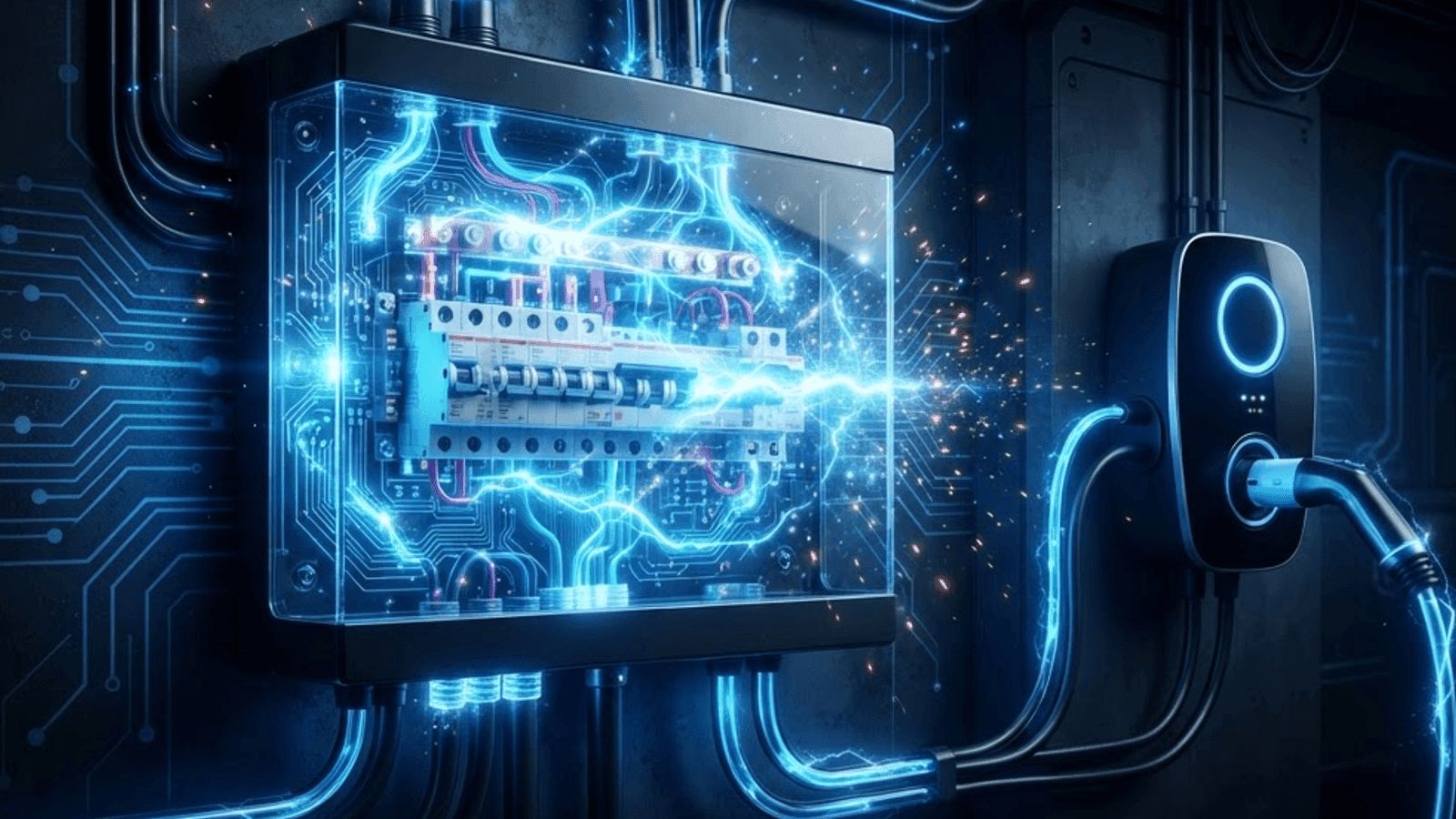
EV charge point installation has grown rapidly across the borough. Installation requires load assessment to confirm the incoming supply can accommodate the additional demand, appropriate earthing arrangements with either a dedicated earth rod or an integrated protection device, dedicated circuit provision and correct positioning for cable management. Installers require specific competence, and accreditation is necessary for access to any available funding. Smart chargers offering scheduled off-peak charging significantly reduce running costs and are now the default choice.
6. Solar Photovoltaic and Battery Storage Installers
Solar installation combines electrical work with roofing competence. Installers assess roof orientation, pitch, shading and structural capacity, design the array and inverter configuration, handle the grid connection notification process and commission the system. Battery storage allows self-consumption of generated energy and, on time-of-use tariffs, charging from the grid during cheap periods. Certified installation under recognised schemes is required for export payments and consumer protection.
7. Commercial and Industrial Electrical Contractors
Commercial electrical work covers three-phase distribution, motor control and variable speed drives, industrial machinery connection, emergency lighting systems, fire alarm installation and maintenance, and large-scale lighting schemes. Contractors serving Havant's industrial estates and commercial premises work to different standards and regulations from domestic installers, and must manage planned shutdowns carefully to minimise operational disruption.
8. Lighting Design and Installation Specialists
Lighting has evolved from a functional requirement into a design discipline. Specialists design layered schemes combining ambient, task and accent lighting, specify appropriate colour temperature and rendering quality, and integrate dimming and control systems. LED technology has transformed what is possible, with linear profiles, tunable white, colour changing and extremely compact fittings enabling effects that were previously impractical. Commercial lighting design also addresses regulatory requirements for illuminance levels and glare control in workplaces.
9. Smart Home and Building Automation Installers
Home automation integrates lighting, heating, security, audio, blinds and access control into unified systems controlled by app, wall panel or voice. Specialists design robust networks, install structured cabling that avoids reliance on congested wireless bandwidth, and configure the automation logic. For commercial clients, building management systems deliver energy monitoring, occupancy-based control and remote diagnostics that produce measurable operational savings.
10. Security, Fire Alarm and Data Systems Installers
Many electrical contractors extend into low-voltage systems: intruder alarms, CCTV with network video recording, access control, video door entry, fire detection and structured data cabling. Fire alarm installation in commercial premises must comply with recognised standards and requires design, commissioning and periodic maintenance by competent persons. CCTV installation carries data protection obligations regarding signage, retention periods and the privacy of neighbouring properties, which reputable installers advise on.
Certification and Verification
Most domestic electrical work in England falls under building regulations Part P, which requires either notification to building control or certification by an electrician registered with a competent person scheme. Registration means the installer has been assessed technically and is subject to ongoing audit, and it allows them to self-certify work and issue the certificate you will need when selling the property. Always ask for an Electrical Installation Certificate or Minor Works Certificate on completion. Unregistered work can create real difficulties during conveyancing.
Recognising Electrical Problems
Warning signs deserving prompt attention include breakers tripping repeatedly, scorch marks or discolouration around sockets and switches, a burning smell, flickering lights, sockets warm to the touch, buzzing from the consumer unit, and mild shocks or tingles from appliances or taps. Any of these indicates a fault requiring investigation. Never attempt to resolve them by repeatedly resetting a breaker, which is protecting you from a genuine problem.
Planning Electrical Work Sensibly
If you are renovating, plan electrical work early, because first-fix cabling must be installed before plastering. Think ahead about future requirements: provision for an EV charger, solar, a heat pump or a garden building is dramatically cheaper if cable routes and spare capacity are installed during other work. Specify more socket outlets than you think you need, as the cost per additional point during a rewire is small compared with adding them later. And consider lighting positions in relation to how you will actually furnish rooms rather than accepting a default central pendant.
Where the Sector Is Heading
Electrification is the dominant trend. As heating, cooking and transport all shift to electricity, household demand is rising substantially, and supply capacity upgrades are becoming more common. Smart metering and time-of-use tariffs are creating genuine financial incentives to shift consumption, which in turn drives demand for battery storage and intelligent control. Bidirectional vehicle charging, allowing an EV battery to support the home, is moving from trial to commercial availability. For Havant property owners, engaging an electrical contractor who understands these developments means an installation that remains fit for purpose for years rather than requiring rework within a short period.
Want your brand featured in front of decision-makers? Publish a guest post or get a link insertion in our guides through AAMAX's guest post and link insertion service.
Helpful Links
 SponsoredAAMAX — Full-Service Digital Agency
Write for Us
Share your expertise with our readers. We welcome guest contributions from industry specialists.
Pitch your idea