Choosing Care in a Countryside Setting
Choosing a care home is among the most difficult decisions a family makes. It usually arrives during a period of stress, often after a hospital admission or a gradual decline that has become unmanageable at home. Understanding the options in advance makes the process considerably less overwhelming.
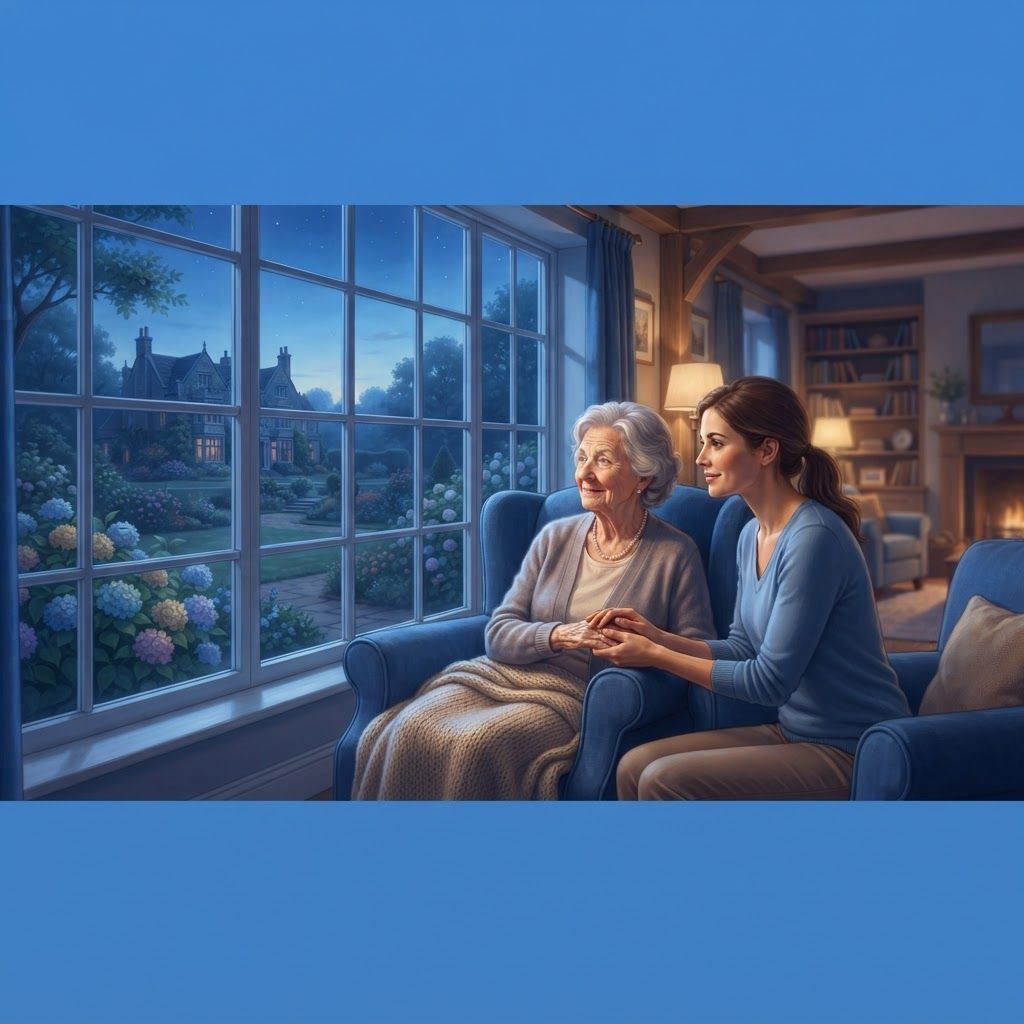
Wychavon has a substantial older population and a correspondingly well-developed care sector. Many homes occupy converted country houses and rural properties with grounds and views that genuinely improve quality of life for residents. The district's location also means families across Worcestershire and the wider Midlands can visit without excessive travel.
Understanding the Types of Care
Residential care provides accommodation, meals, personal care and social activity for people who can no longer manage independently but do not require nursing input. Staff assist with washing, dressing, medication prompting and mobility.
Nursing care includes everything residential care offers plus qualified nurses on site around the clock, suitable for people with medical needs such as wound care, complex medication regimes, catheter management or conditions requiring clinical monitoring.
Dementia care is delivered in settings specifically designed for cognitive impairment, with staff trained in dementia-specific approaches, secure outdoor space and environmental design that reduces confusion and agitation.
Respite care offers short-term stays, giving family carers a break or supporting recovery after hospital discharge. Day care allows people to remain at home while attending a setting for activity, meals and social contact. Domiciliary care brings support into the person's own home, an option many prefer to explore before considering residential placement.
Ten Care Providers Serving Wychavon
Vale View Care Home offers residential and nursing care in a converted country property near Evesham, with extensive gardens and a strong activities programme that residents help to plan.
Pershore Manor Care provides residential care with a focus on maintaining independence, encouraging residents to continue activities and routines they value.
Droitwich Spa Nursing Home delivers twenty-four hour nursing care, working closely with local general practices and community health services on complex needs.
Orchard House Dementia Care specialises entirely in dementia support, with a purpose-designed environment, secure gardens and staff trained in person-centred dementia approaches.
Severn Meadows Residential Home offers a smaller, family-run setting where the low resident numbers allow a notably personal style of care.
Bredon Hill Care Village combines independent living apartments with residential and nursing provision, enabling couples with different needs to remain close and residents to move between levels of support without leaving.
Evesham Respite Care Centre concentrates on short-term stays, supporting family carers and providing post-hospital recovery placements.
Wychavon Home Care Services delivers domiciliary support across the district, from occasional visits to comprehensive live-in care for people determined to remain at home.
Lenchwick Day Centre provides daytime activity, meals and social contact, reducing isolation for older people living alone in rural villages.
Avon Valley Nursing and Palliative Care completes the list, offering specialist end-of-life care with an emphasis on comfort, dignity and family involvement.
Trends in Elderly Care
Person-centred care has become the defining philosophy, shifting from institutional routine towards support built around individual histories, preferences and relationships. Good homes now record life stories in detail so that staff understand who a resident is rather than only what they need.
Technology is increasingly present, including falls detection, digital care records that improve continuity, and video calling that helps distant families stay involved. Sensibly applied, it increases safety without eroding privacy.
Intergenerational activity has grown, with homes building links to local schools and nurseries. Evidence suggests meaningful benefits for residents' mood and cognitive engagement.
Dementia design has advanced considerably, using colour contrast, clear sightlines, familiar domestic environments and accessible outdoor space to reduce distress and support independence.
Workforce challenges remain the sector's most significant pressure. Homes that invest in training, pay and retention deliver noticeably better continuity, and continuity of staff is among the strongest indicators of quality.
How to Assess a Care Home
Read inspection reports, but treat them as a starting point rather than a verdict. Visit in person, ideally more than once and at different times including a mealtime and an evening.
Observe interactions closely. Do staff know residents by name and speak with them warmly? Are residents engaged or sitting unoccupied in front of a television? Is the atmosphere calm? These impressions reveal more than any brochure.
Ask specific questions. What are the staffing levels on each shift, including nights? What is the staff turnover rate? How are care plans developed and reviewed? What happens if needs increase? How is medication managed? What activities run, and how are they adapted for individuals?
Check practical matters including fees, what they include, how increases are handled, and what triggers additional charges. Understand the funding position, including local authority support thresholds, NHS continuing healthcare and attendance allowance eligibility.
Involve the person moving wherever possible. Their preferences about location, room, routine and atmosphere should carry the greatest weight.
Supporting the Transition
Moving into care is a significant loss as well as a practical solution, and the adjustment period can be difficult. Personal possessions, familiar furniture and photographs help enormously in making a room feel like home.
Regular visiting matters, particularly in the early weeks. Establishing a rhythm gives residents something to anticipate. Sharing detailed information about routines, preferences and history helps staff provide genuinely individual care from the start.
Families should expect and ask for regular reviews, and should raise concerns early and directly. Good homes welcome that engagement rather than resisting it.
Care in Wychavon
The district's care homes benefit from settings that few urban facilities can match: gardens, countryside views and a quiet pace. Combined with a sector that has largely embraced person-centred practice, this makes Wychavon a reasonable place to seek care for an older relative.
The most useful advice is to start looking before the decision becomes urgent. Families who have visited homes, understood funding and discussed preferences in advance make far better decisions than those choosing under pressure in a hospital discharge meeting.
Want your brand featured in front of decision-makers? Publish a guest post or get a link insertion in our guides through AAMAX's guest post and link insertion service.
Helpful Links
 SponsoredAAMAX — Full-Service Digital Agency
Write for Us
Share your expertise with our readers. We welcome guest contributions from industry specialists.
Pitch your idea