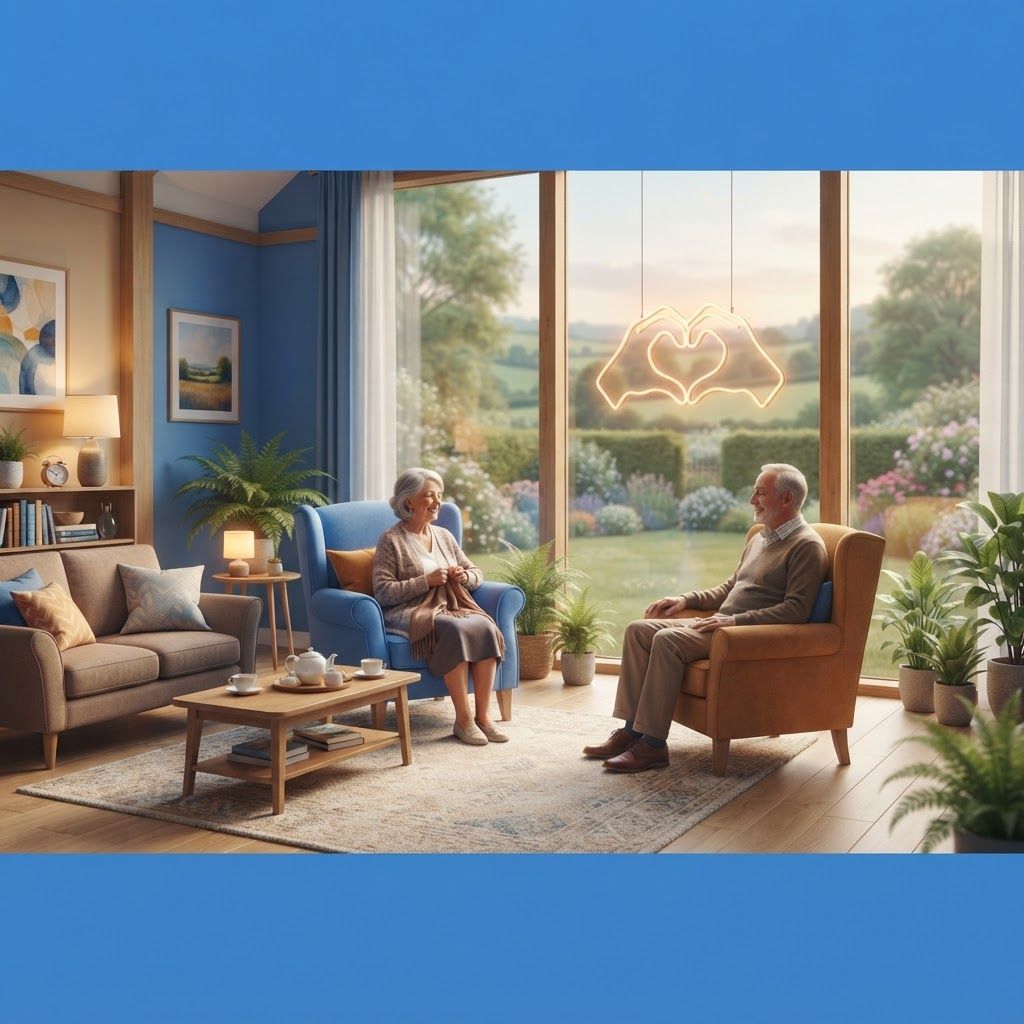
Understanding Elderly Care in the Borough
Tonbridge and Malling has an older population profile than the national average in several of its wards, and demand for elderly care is correspondingly strong. Provision across the borough includes residential care homes, nursing homes, specialist dementia units, retirement living schemes and domiciliary care services supporting people in their own homes. The quality of provision is generally good, but the range of options can feel overwhelming to families making a decision under pressure.
Kent's rural and semi-rural character shapes the local market. Many homes occupy converted period properties or purpose-built sites with substantial gardens, and outdoor space contributes meaningfully to residents' wellbeing. Proximity to Tonbridge, West Malling and the villages also matters, since regular family visiting is one of the strongest predictors of a resident's quality of life.
Types of Care Explained
Residential care provides accommodation, meals, personal care and support with daily living for people who can no longer manage independently but do not require nursing input. Nursing homes additionally employ registered nurses on site, supporting residents with complex medical needs, catheters, wound care, or conditions requiring clinical monitoring.
Dementia care may be delivered within either setting but requires specific environmental design, staff training and activity programming. Respite care offers short stays, giving family carers a break or supporting recovery after a hospital admission. Retirement living and extra care housing provide independent apartments with on-site support available as needs change.
The Top 10 Elderly Care Providers in Tonbridge and Malling
1. Tonbridge Residential Care Home
A well-established residential home close to the town, offering personal care in a domestic-scale environment. The emphasis is on maintaining independence where possible, with residents encouraged to participate in daily routines rather than having everything done for them. Proximity to town allows continued involvement in community life.
2. West Malling Nursing Home
Providing twenty-four hour nursing care alongside residential support, this home accommodates residents with complex health needs including advanced frailty, stroke recovery and palliative care. Registered nurses are on duty at all times, and the home works closely with community health teams and GP services.
3. Kings Hill Retirement Living Community
Purpose-built independent living apartments with communal facilities and support available on site. Residents maintain their own front doors and independence while having access to assistance as needs change. Social programming, shared dining options and secure grounds address the isolation that often accompanies later life.
4. Medway Valley Dementia Care Centre
Specialising in dementia care, this centre applies environmental design principles that support orientation and reduce agitation, including clear sightlines, memorable landmarks and secure outdoor access. Staff receive dementia-specific training, and person-centred approaches based on individual life histories shape daily care.
5. Aylesford Care and Support Home
A mid-sized home serving the Aylesford and Larkfield area, offering residential and respite care with an active programme of activities. Gardening, music, reminiscence sessions and visiting entertainment feature regularly, and the home maintains strong links with local community groups and schools.
6. Larkfield Extra Care Housing Scheme
Extra care housing bridges independent living and residential care, offering self-contained flats with on-site care staff available around the clock. Residents receive care packages tailored to their assessed needs, which can increase over time without requiring a move. Couples with differing care needs particularly benefit from this model.
7. Snodland Community Care Home
Serving the Medway valley community, this home provides residential care with a strong emphasis on local connection. Many residents have lived in the area their whole lives, and the home actively maintains those community ties through visits, outings and involvement from local organisations.
8. Borough Green Country House Care Home
Set in substantial grounds, this home combines residential and nursing care in a rural setting. Extensive gardens are used actively, with accessible pathways and seating areas allowing residents to spend time outdoors safely. The environment suits people who have lived rurally and would find an urban setting disorienting.
9. Domiciliary Care Agencies Serving the Borough
Home care agencies deliver personal care, medication support, meal preparation and companionship in people's own homes. For many older residents this delays or removes the need for residential care entirely. Packages range from a single daily visit to multiple calls per day, and live-in care is available for those needing continuous support.
10. Respite and Short-Stay Care Services
Short-stay provision across the borough supports family carers needing a break and older people recovering after hospital discharge. Respite stays also allow families and prospective residents to experience a home before committing to a permanent move, which is a genuinely useful way to test suitability.
Funding Care
Funding arrangements are often the most stressful part of the process. Local authority financial assessment determines whether the council contributes, based on capital and income thresholds. Where assets exceed the upper threshold, individuals self-fund. NHS Continuing Healthcare funding covers the full cost of care where the primary need is health-related rather than social, though eligibility criteria are strict and assessment can be contested.
Attendance Allowance is a non-means-tested benefit available to older people needing help with personal care, and it is frequently unclaimed. Independent financial advice from an adviser specialising in later life planning is worth obtaining before committing significant capital, particularly where property sale is involved.
What to Look for When Visiting
Visit unannounced if possible, and visit more than once at different times of day. Observe how staff interact with residents when they think nobody is watching. Are people addressed by name, spoken to as adults, and given time? Are residents up, dressed and engaged, or sitting passively in front of a television?
Check the most recent Care Quality Commission inspection report, but read the detail rather than just the headline rating. Ask about staff turnover, which is one of the strongest indicators of care quality, and about the ratio of permanent staff to agency cover. Enquire how care plans are reviewed and how families are involved in decisions.
Pay attention to smell, noise levels, food quality and whether residents appear to have choice about their day. Ask to see the activity programme and whether it accommodates people with limited mobility or cognition rather than only the most able residents.
Final Thoughts
Elderly care provision across Tonbridge and Malling includes residential and nursing homes, specialist dementia services, extra care housing and extensive domiciliary support, giving families genuine options. The most important advice is to start looking before a crisis forces a rushed decision, to visit thoroughly and repeatedly, and to involve the older person themselves in the choice wherever their capacity allows. Care that respects dignity and preserves identity is the standard worth holding out for.
Want your brand featured in front of decision-makers? Publish a guest post or get a link insertion in our guides through AAMAX's guest post and link insertion service.
Helpful Links
 SponsoredAAMAX — Full-Service Digital Agency
Write for Us
Share your expertise with our readers. We welcome guest contributions from industry specialists.
Pitch your idea