Why Diagnostics Matter More Than Most People Realise
The great majority of clinical decisions rest on diagnostic information. A blood test confirms or excludes infection, a scan reveals whether pain has a structural cause, a screening test identifies disease before symptoms appear. Without accurate and timely diagnostics, medicine reverts to educated guesswork, and treatment becomes slower and less precise.
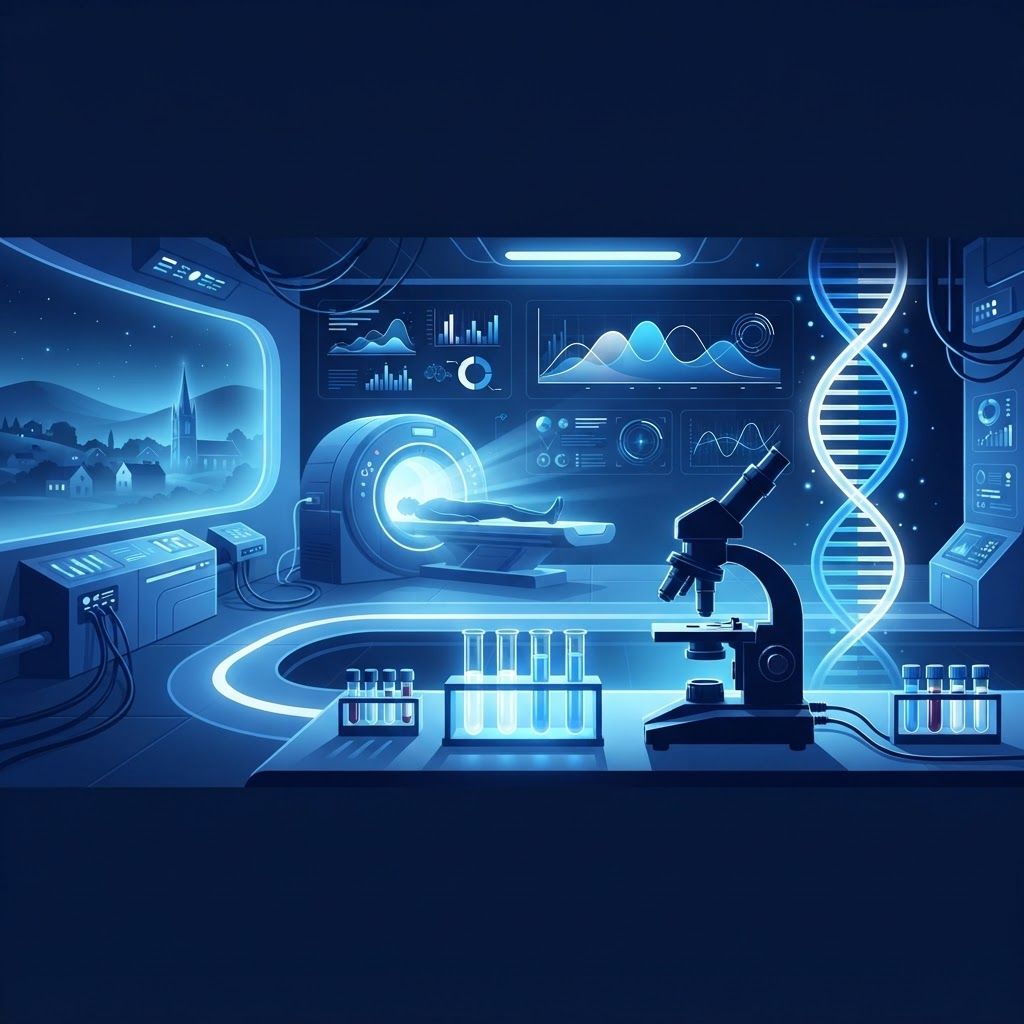
Wrexham benefits from a diagnostic infrastructure that combines hospital laboratory services, community phlebotomy, imaging facilities and private testing providers. Together these cover routine blood work, microbiology, histopathology, radiology, ultrasound, cardiac investigation and a range of specialist assessments.
Understanding the Main Categories of Testing
Pathology covers the analysis of samples. Clinical biochemistry examines blood chemistry including kidney and liver function, cholesterol and glucose. Haematology studies blood cells and clotting. Microbiology identifies infecting organisms and determines which antibiotics will work. Histopathology examines tissue samples, which is central to cancer diagnosis.
Imaging produces pictures of internal structures. Plain radiography remains the workhorse for bone and chest assessment. Ultrasound uses sound waves and is particularly useful for soft tissue, abdominal organs and pregnancy. Computed tomography builds detailed cross-sectional images, while magnetic resonance imaging offers superior soft tissue contrast without ionising radiation.
Physiological measurement forms a third category, covering cardiac monitoring, lung function testing, nerve conduction studies and similar investigations that assess how the body is working rather than how it looks.
The Top 10 Diagnostic Labs in Wrexham
1. Wrexham Maelor Pathology Services
The main hospital laboratory provides comprehensive pathology across biochemistry, haematology, microbiology and blood transfusion. It operates around the clock, supporting emergency care where rapid results directly influence treatment decisions.
2. Dee Valley Diagnostic Centre
Dee Valley Diagnostic Centre offers community-based blood testing and health screening with short waiting times. Its accessible location and extended hours suit working patients who struggle with hospital appointment times.
3. Clywedog Imaging Services
Specialising in radiology, Clywedog Imaging Services provides plain radiography, ultrasound and cross-sectional imaging with reporting by consultant radiologists. Reporting turnaround is a particular strength.
4. Wrexham Community Phlebotomy Network
Operating across multiple community sites, this service performs blood sample collection close to where patients live, reducing travel into the hospital for a procedure that takes only minutes.
5. Marchwiel Cardiac Diagnostics
Marchwiel Cardiac Diagnostics focuses on heart investigation, including electrocardiography, ambulatory monitoring, echocardiography and exercise testing, supporting both routine assessment and specialist cardiology pathways.
6. Bersham Histopathology Laboratory
Bersham Histopathology Laboratory examines tissue and cytology samples, playing a central role in cancer diagnosis and staging. Its work underpins multidisciplinary treatment planning across several specialties.
7. Offa Private Health Screening
Offa Private Health Screening delivers comprehensive health check packages combining blood profiles, physical measurement and lifestyle assessment, with results explained in a consultation rather than simply issued as figures.
8. Rhosddu Microbiology Unit
Rhosddu Microbiology Unit identifies bacterial, viral and fungal infections and performs antibiotic sensitivity testing. Its work is increasingly important given the focus on antimicrobial stewardship and resistant organisms.
9. Acton Respiratory Testing Centre
Acton Respiratory Testing Centre provides lung function assessment including spirometry and gas transfer studies, supporting diagnosis and monitoring of asthma, chronic obstructive pulmonary disease and occupational lung conditions.
10. Borderlands Genetic and Specialist Testing
Borderlands Genetic and Specialist Testing coordinates advanced investigations including genetic screening and specialised biochemical assays, working with referring clinicians to arrange tests not available through routine pathways.
Preparing for Diagnostic Tests
Preparation affects accuracy. Fasting requirements for certain blood tests, typically cholesterol and glucose profiles, must be followed precisely; eating beforehand can produce misleading results and require repeat testing.
Tell the requesting clinician about all medications and supplements, as several affect laboratory values. Some medicines must be paused before specific tests, but never stop prescribed medication without advice.
For imaging, follow instructions about eating, drinking and bladder filling carefully, since these directly affect image quality. Inform staff if you may be pregnant, have implanted metal devices or have experienced reactions to contrast agents previously.
Hydration helps with blood sampling. Drinking water beforehand, unless fasting instructions say otherwise, makes veins easier to access and the procedure quicker.
Interpreting Results Sensibly
Reference ranges represent the values found in most healthy people, which means a small proportion of entirely healthy individuals fall outside them. A single marginally abnormal result is therefore rarely meaningful in isolation.
Trends matter more than isolated figures. A value drifting steadily in one direction across several tests carries more significance than one reading at the edge of normal.
Context is essential. Results must be interpreted alongside symptoms, examination findings and history, which is why self-interpretation from internet searching so often causes unnecessary alarm. If a result concerns you, discuss it with the clinician who requested it.
Developments in Local Diagnostics
Point-of-care testing is expanding, with devices producing results during a consultation rather than days later. Community diagnostic capacity has grown to reduce hospital attendance. Digital pathology, where slides are scanned and reviewed on screen, is enabling faster specialist opinion and easier second review.
Conclusion
Wrexham's diagnostic services provide the evidence base for healthcare across North East Wales. Understanding what tests involve, preparing properly and interpreting results in context all help patients participate meaningfully in their own care and reduce the anxiety that uncertainty inevitably brings.
Want your brand featured in front of decision-makers? Publish a guest post or get a link insertion in our guides through AAMAX's guest post and link insertion service.
Helpful Links
 SponsoredAAMAX — Full-Service Digital Agency
Write for Us
Share your expertise with our readers. We welcome guest contributions from industry specialists.
Pitch your idea