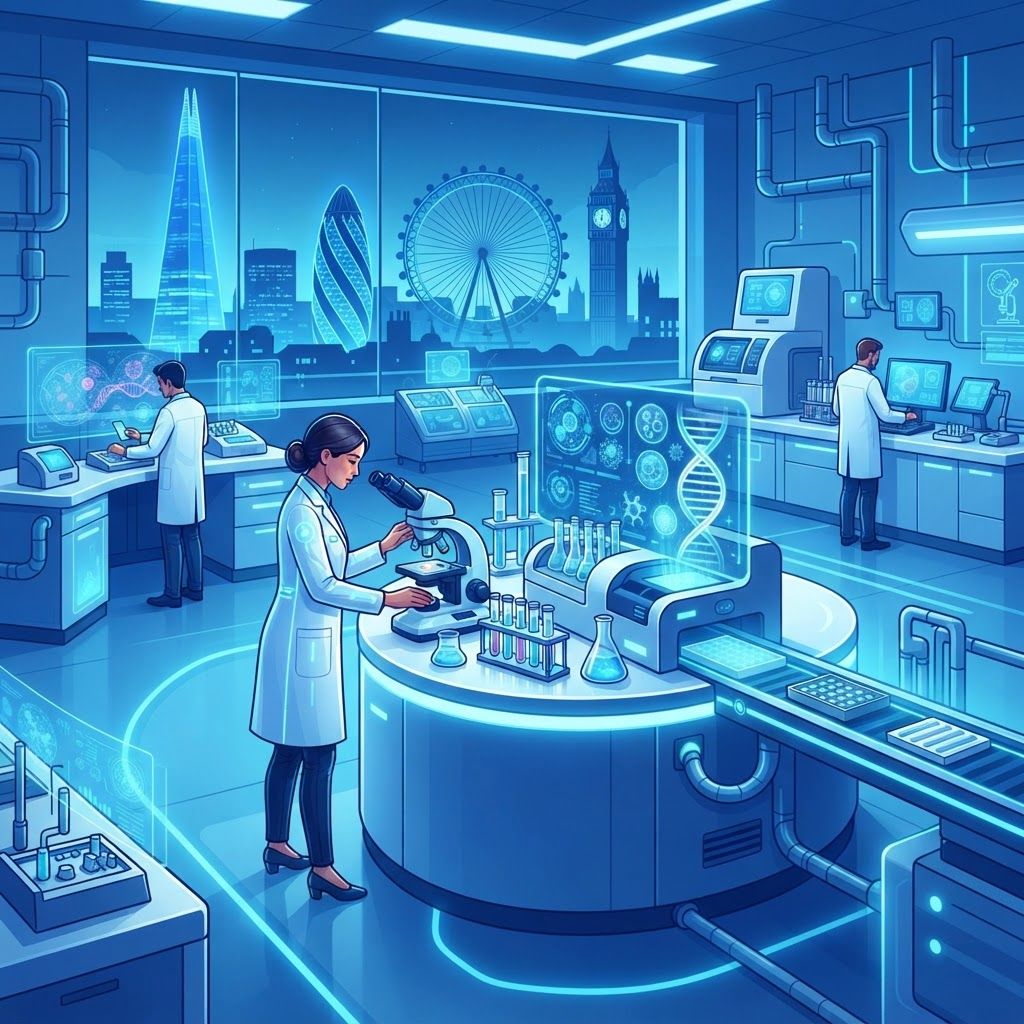
The Foundation of Modern Medicine
Diagnostic laboratories are among the most important, if often unseen, pillars of modern healthcare. Behind almost every accurate diagnosis and effective treatment lies careful testing and analysis, and Hackney is well served by laboratories that provide these essential services. From blood tests and imaging to advanced molecular analysis, diagnostic labs give clinicians the information they need to make informed decisions about patient care.
The importance of reliable diagnostics cannot be overstated. Early and accurate detection of conditions enables timely treatment, improves outcomes and can be life-saving. As medicine becomes increasingly personalised and data-driven, the role of high-quality diagnostic laboratories continues to grow, making them a vital resource for the borough's residents and healthcare providers alike.
Range of Diagnostic Services
Diagnostic labs serving Hackney offer a comprehensive range of tests. Pathology services analyse blood, urine and tissue samples to detect infections, monitor conditions and assess overall health. Haematology, biochemistry and microbiology form the core of routine testing, providing insight into everything from cholesterol levels to the presence of specific pathogens.
Imaging services, including X-rays, ultrasound and more advanced scans, allow clinicians to visualise the body and identify structural or functional problems. Increasingly, laboratories also offer genetic and molecular testing, supporting personalised medicine and the early detection of hereditary conditions. This breadth of provision ensures that patients can access the tests they need, often with rapid turnaround times.
Accuracy, Reliability and Accreditation
The value of a diagnostic laboratory rests on the accuracy and reliability of its results. Even small errors can have significant consequences, so leading labs adhere to rigorous quality standards and accreditation requirements. These frameworks ensure that testing processes are consistent, validated and subject to regular review.
Quality assurance involves careful sample handling, calibrated equipment and skilled technical staff who follow strict protocols. Accredited laboratories participate in external quality assessment schemes that benchmark their performance against recognised standards. For patients and clinicians, choosing an accredited lab provides confidence that results can be trusted and acted upon safely.
The Role of Technology
Technology plays a central role in modern diagnostics. Automated analysers process large volumes of samples with speed and precision, while sophisticated imaging equipment produces detailed views of the body. Advances in molecular diagnostics have revolutionised the detection of diseases, enabling faster and more sensitive testing than ever before.
Digital systems have transformed how results are managed and shared, allowing clinicians to access data quickly and securely. Electronic reporting reduces delays and errors, improving the overall efficiency of care. As artificial intelligence and data analytics are increasingly applied to diagnostics, laboratories are becoming ever more capable of delivering rapid, accurate and insightful results.
Convenience and Patient Experience
While accuracy is paramount, the patient experience also matters. The best diagnostic labs offer convenient locations, flexible appointment times and efficient processes that minimise waiting and discomfort. Clear communication about how and when results will be available helps reduce anxiety and keeps patients informed.
Many laboratories now provide online booking and secure access to results, enhancing convenience and putting patients more in control of their care. Compassionate, professional staff who explain procedures and answer questions further improve the experience. In a diverse borough like Hackney, accessible and considerate service ensures that testing is available to all who need it.
Trends in Diagnostic Testing
Diagnostic testing is advancing rapidly. Point-of-care testing, which delivers results quickly and close to the patient, is becoming more widespread, supporting faster decision-making. Genetic and personalised testing continues to expand, enabling treatments tailored to an individual's specific characteristics.
Digital integration and data analytics are improving both efficiency and insight, while home testing options are giving patients greater flexibility. These trends point toward a future in which diagnostics are faster, more accessible and more precise, further strengthening the role of laboratories in preventative and personalised healthcare.
Conclusion
Diagnostic laboratories are essential to effective healthcare in Hackney, providing the accurate testing and analysis that underpin sound clinical decisions. The finest labs combine rigorous quality standards, advanced technology and a commitment to convenient, patient-friendly service. As diagnostics continue to evolve toward greater speed, precision and personalisation, their importance to the community will only increase. For residents and clinicians alike, access to reliable diagnostic services is a cornerstone of good health, and the borough is well equipped to meet that need.
Want your brand featured in front of decision-makers? Publish a guest post or get a link insertion in our guides through AAMAX's guest post and link insertion service.
Helpful Links
 SponsoredAAMAX — Full-Service Digital Agency
Write for Us
Share your expertise with our readers. We welcome guest contributions from industry specialists.
Pitch your idea