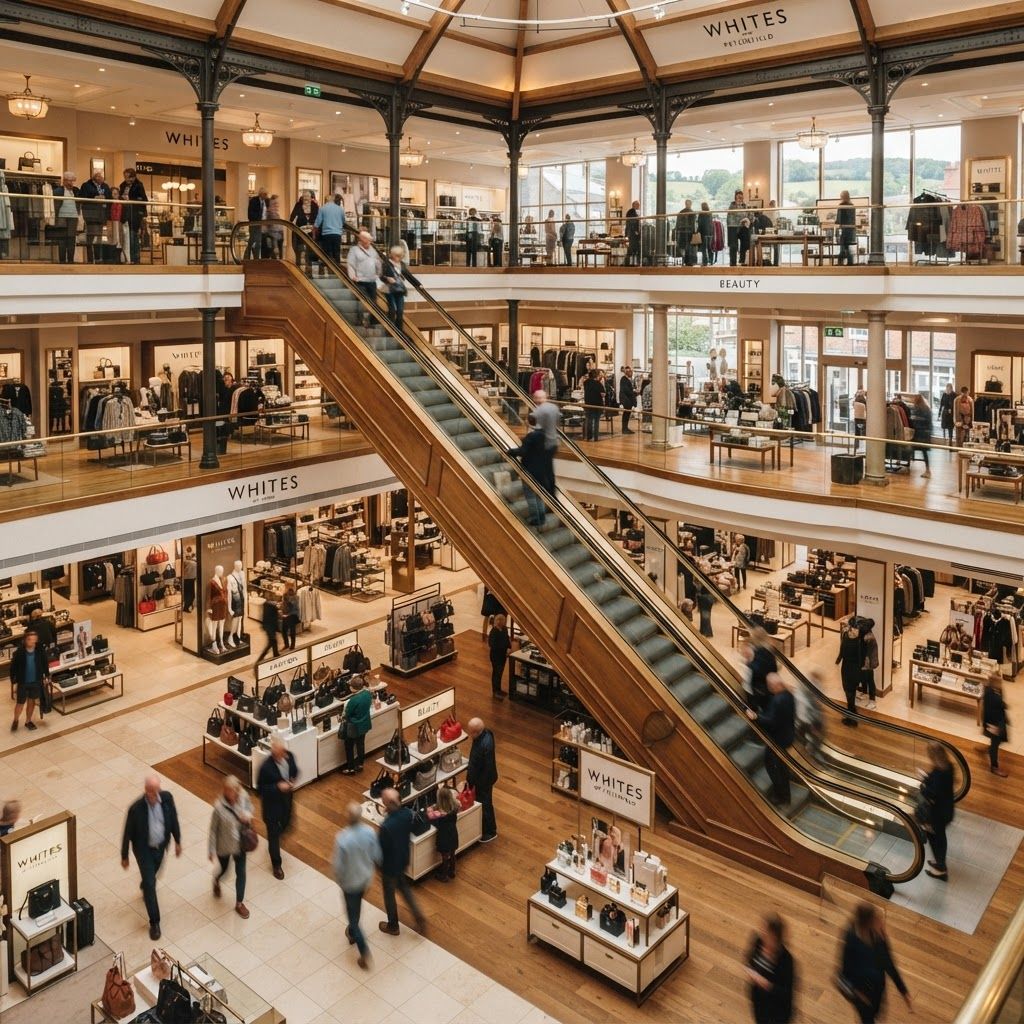
The Changing Role of the Department Store
The department store has had a difficult decade. Online retail, changing shopping habits and rising operating costs have reshaped a format that once anchored every town centre. Yet the underlying appeal remains genuine. Being able to compare clothing, homeware, beauty products and gifts in one visit, with staff available to help and returns handled in person, still suits many shoppers.
For residents of Redcar and Cleveland, department store shopping combines local options with larger stores in nearby Teesside centres, complemented by click-and-collect services that bring online ranges into physical locations. Understanding what each does well makes shopping trips more productive.
Ten Department Store Options for Local Shoppers
Marks and Spencer functions as a department store in practice, combining clothing, homeware, beauty and a strong food hall. Its food offer is a genuine differentiator, and the clothing ranges have improved considerably in fit consistency and fabric quality.
Debenhams now operates primarily as an online marketplace, but its beauty and branded fashion ranges remain relevant to shoppers who previously used the physical stores and continue to buy the same labels.
John Lewis is valued for service standards, extended guarantees on electrical goods and a well-curated homeware selection. For significant purchases such as appliances and furniture, the combination of knowledgeable advice and after-sales support justifies the price positioning for many buyers.
Next Home and Fashion stores operate at department store scale, covering clothing for all ages alongside furniture, lighting and soft furnishings. The integration of online ordering with in-store collection and returns is particularly well executed.
House of Fraser continues to offer branded fashion, beauty concessions and accessories, appealing to shoppers seeking mid to upper-tier labels in one location.
TK Maxx operates a different model, offering branded goods across fashion, homeware and beauty at discounted prices with constantly rotating stock. The treasure-hunt experience attracts regular visits, and the homeware section in particular offers strong value.
Primark covers fashion, homeware and accessories at the value end of the market with department store breadth. For seasonal items, children's clothing and basics, the price point is difficult to match.
Dunelm specialises in home departments including bedding, curtains, furniture, kitchenware and decor. Its made-to-measure curtain service and extensive soft furnishing ranges make it a practical first stop for home projects.
Boyes has a strong North East and Yorkshire presence, offering a genuinely broad mix of household goods, haberdashery, clothing and seasonal items at accessible prices. Its range of practical items that larger chains have dropped makes it unexpectedly useful.
Local independent department-style stores in and around the borough continue to serve communities with varied stock and personal service. These businesses often carry practical items and provide advice that national chains no longer offer.
How the Format Is Evolving
Experience has become a differentiator. Stores are allocating floor space to services such as beauty treatments, personal styling, cafes and click-and-collect desks rather than simply stacking more stock. The aim is to give people reasons to visit that online retail cannot replicate.
Concession models have expanded, with brands operating their own spaces within a larger store. This reduces inventory risk for the host retailer while giving shoppers access to specialist ranges and brand-trained staff.
Omnichannel integration is now essential. Shoppers expect to check stock online, reserve items, collect in store and return online purchases in person. Retailers that execute this smoothly gain a substantial advantage over those where online and physical operations feel disconnected.
Sustainability initiatives including clothing take-back schemes, refill stations and repair services are becoming more common, reflecting customer expectations and regulatory direction.
Getting the Most From Department Store Shopping
Use them for comparison shopping. The ability to see multiple brands side by side, assess fabric quality by hand and test furniture in person addresses the main weakness of online buying.
Take advantage of services. Personal shopping appointments, bra fitting, curtain measuring and made-to-measure services are often free and produce considerably better outcomes than guessing.
Check clearance sections and end-of-season reductions, which frequently offer genuine quality at reduced prices rather than specially produced sale stock.
Understand loyalty schemes properly. Points programmes, member pricing and early sale access can deliver meaningful value for regular shoppers, though they should not drive purchases that would not otherwise be made.
Combine trips efficiently. The core advantage of the format is covering multiple needs in a single visit, which saves both time and travel costs compared with visiting several specialist retailers.
Finally, verify return policies before buying, particularly for concession brands within a store, since these occasionally differ from the host retailer's standard terms.
Final Thoughts
Department store shopping in Redcar and Cleveland requires combining local options with larger stores in nearby centres and online ranges accessible through collection points. The format has contracted but retains real value for comparison shopping, personal service and handling multiple categories in one trip. Shoppers who use the services on offer and plan visits around several needs at once continue to get the most from what department stores do best.
Want your brand featured in front of decision-makers? Publish a guest post or get a link insertion in our guides through AAMAX's guest post and link insertion service.
Helpful Links
 SponsoredAAMAX — Full-Service Digital Agency
Write for Us
Share your expertise with our readers. We welcome guest contributions from industry specialists.
Pitch your idea