Department Store Retail in Ashford
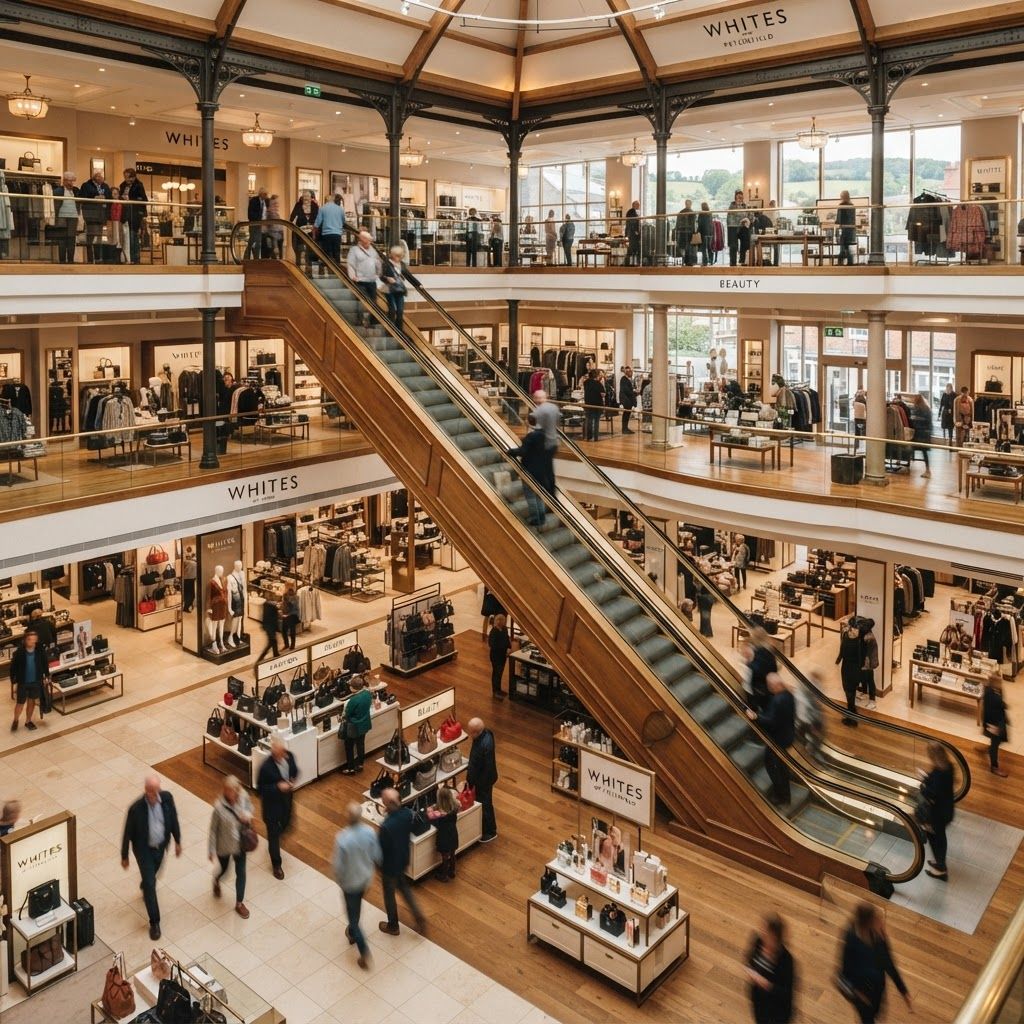
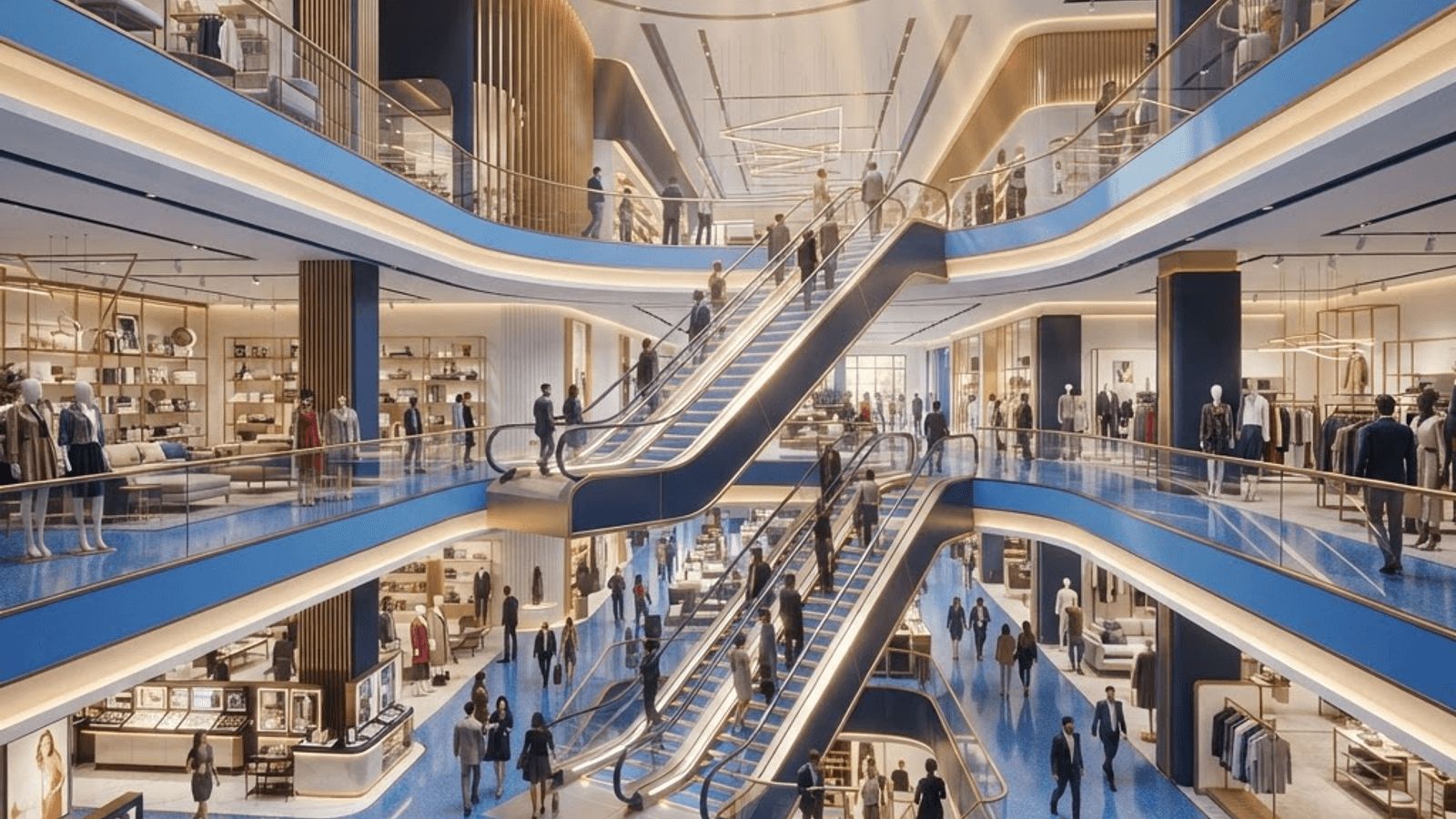
Department stores have faced more disruption than almost any retail format, yet the concept endures because it solves a genuine problem: buying several unrelated things efficiently in one visit, with the ability to see and compare products physically. In Ashford, this need is served by a combination of traditional multi-department retailers, outlet formats offering premium brands at reduced prices, and general merchandise stores covering everyday household needs.
Ashford's position in Kent, with good road and rail connections and a substantial catchment population, has kept the town commercially viable when comparable towns lost anchor retailers. The designer outlet in particular reframed what a department-style shopping trip means locally, offering multiple brands under one destination in a way that mirrors the traditional department store experience while operating on a different commercial model.
What Makes a Department Store Work
Range coherence matters more than range size. The best stores curate departments that genuinely complement one another, so a customer buying school uniform can also find shoes, stationery and lunch bags without leaving. Poorly curated stores feel like unrelated concessions sharing a roof.
Service quality is the second pillar and increasingly the differentiator against online retail. Fitting rooms with helpful staff, personal shopping, gift wrapping, alterations, click and collect and straightforward returns all provide reasons to visit physically. Stores investing in these consistently outperform those competing on price alone against internet sellers with lower cost bases.
Ten Leading Department Stores and Formats
Marks and Spencer functions as a classic department store for many Ashford shoppers, combining clothing, homeware, beauty and a substantial food hall with reliable quality standards throughout.
Debenhams style multi-department retail continues in the town through successor formats offering fashion, beauty concessions, homeware and accessories under a single roof.
Ashford Designer Outlet operates as a modern equivalent of the department store, bringing dozens of premium brands into one destination with substantial discounts and a strong food and leisure offer.
John Lewis represents the upper end of department store retail, valued for product knowledge, extended electrical guarantees, home design services and consistently strong customer service.
Next Home and Fashion combines clothing across all ages with a substantial homeware department, effectively delivering department store breadth in a single-brand format.
TK Maxx offers off-price retail across fashion, homeware, beauty and gifts, with a constantly changing stock model that rewards regular browsing with genuine finds.
Wilko style general merchandise stores serve everyday household needs across cleaning, hardware, garden, stationery and storage at accessible prices.
Boots functions as a health and beauty department store, combining pharmacy services with cosmetics counters, fragrance, electrical beauty and baby products.
Argos provides catalogue-based general merchandise across technology, furniture, toys and homeware, with rapid collection that suits planned purchases.
Independent Ashford Retail Collectives bring multiple small traders together in shared spaces, offering a curated, locally rooted alternative with distinctive stock.
How the Sector Is Evolving
The most significant change is the shift from selling products to hosting experiences. Successful department retail now incorporates cafés, beauty services, events, personal styling and click-and-collect hubs, treating footfall as valuable in itself rather than measuring only direct sales per square foot.
Concession models have also grown. Rather than buying stock outright, stores increasingly host brand-operated spaces, sharing risk and keeping ranges fresh. This gives shoppers access to brands that could not justify standalone stores in a town of Ashford's size.
Omnichannel integration has become essential infrastructure. Reserving online, collecting in store, returning online purchases physically and accessing stock across the wider chain from a single location all reduce the friction that once pushed customers entirely online. Stores handling this smoothly convert digital browsing into physical visits.
Making the Most of Department Store Shopping
Visit with a plan for larger shopping trips, particularly at outlet destinations where the scale can be overwhelming. Weekday mornings offer better parking, calmer fitting rooms and more attentive service than weekend peaks.
Use loyalty schemes properly, since many now offer personalised discounts and early sale access that materially beat generic promotions. For significant purchases such as furniture or electricals, ask about price matching, delivery arrangements and guarantee terms before buying, as these often differ meaningfully between retailers selling identical products.
Do not overlook the services. Alterations, gift wrapping, personal shopping appointments and beauty consultations are frequently free or inexpensive and represent value that online retail simply cannot match.
Final Thoughts
Department store retail in Ashford has adapted rather than declined, reshaping itself around outlet formats, concessions and service-led experiences. The stores profiled here offer genuine breadth and, importantly, reasons to shop in person. For customers who value seeing products before buying and getting knowledgeable help, the format continues to earn its place on the Kent retail map.
Want your brand featured in front of decision-makers? Publish a guest post or get a link insertion in our guides through AAMAX's guest post and link insertion service.
Helpful Links
 SponsoredAAMAX — Full-Service Digital Agency
Write for Us
Share your expertise with our readers. We welcome guest contributions from industry specialists.
Pitch your idea