The State of Dentistry in South Tyneside
Dental care in South Tyneside reflects a national picture of high demand and constrained NHS capacity, combined with a local population that has historically experienced poorer oral health outcomes than the English average. Children's tooth decay rates in parts of the North East remain a concern, and adult access to routine NHS dentistry has tightened considerably. Against that backdrop, the borough has developed a mixed landscape where established NHS family practices sit alongside a growing private and cosmetic sector across South Shields, Jarrow, Hebburn and the Boldons.
Understanding the difference between practice types is essential. NHS treatment operates on a banded charge structure covering clinically necessary work. Private treatment costs more but offers wider material choices, longer appointments and access to cosmetic and advanced restorative options that fall outside NHS scope.
NHS Family Dental Practices
Traditional NHS family practices remain the backbone of dental care in the borough. They deliver examinations, hygiene support, fillings, extractions, root canal treatment, dentures and crowns under the banded charge system. Their strength is affordability and clinical necessity focus. Where a practice is accepting new NHS patients, registering promptly is worthwhile, as availability changes quickly and lists fill fast.
Mixed NHS and Private Practices
Many South Tyneside practices operate a mixed model, providing NHS care for essential treatment while offering private options for cosmetic work, white fillings on back teeth, implants and orthodontics. This structure suits patients who want NHS affordability for routine care with the option to upgrade specific treatments. Transparency about which treatments fall into which category is the hallmark of a well-run mixed practice.
Private Cosmetic Dental Clinics
The cosmetic dentistry sector has grown substantially in South Shields and along the Tyne corridor. Services typically include composite bonding, professional whitening, porcelain veneers, smile design and full-mouth rehabilitation. Quality clinics invest in intraoral scanning, digital smile previews and high-grade laboratory partnerships. Patients should look for clinicians with documented postgraduate cosmetic training and extensive before-and-after case portfolios of their own work.
Dental Implant Clinics
Implant dentistry is one of the fastest-growing areas locally. Implants replace missing teeth with titanium fixtures placed into the jawbone, supporting crowns, bridges or stabilised dentures. Successful implant treatment depends on thorough planning, including CBCT three-dimensional imaging and careful assessment of bone quality and gum health. Reputable clinics discuss maintenance requirements honestly, since implants require ongoing hygiene care to remain healthy long term.
Orthodontic Practices
Orthodontics covers both NHS treatment for children meeting clinical need criteria and private adult treatment. Clear aligner systems have driven a significant increase in adult orthodontics, offering discreet correction of crowding and spacing. Fixed appliances remain superior for complex cases involving bite correction. Specialist orthodontists on the General Dental Council specialist list bring the deepest expertise for challenging cases.
Emergency and Urgent Dental Services
Urgent dental care is available across the North East through NHS access services for patients in acute pain, with swelling or after dental trauma. Many private practices also reserve daily emergency slots. Knowing the route to urgent care before it is needed prevents avoidable suffering and reduces the risk of infections escalating into serious complications.
Community Dental Services
Community dental services provide care for patients who cannot be treated in a general practice setting, including people with severe anxiety, learning disabilities, complex medical conditions and those requiring domiciliary visits. These teams offer sedation, longer appointment times and specialist behaviour management. They fill a critical equity gap in the borough's oral health provision.
Paediatric Dental Care
Children's dentistry deserves particular attention in South Tyneside given regional decay rates. Good paediatric practices emphasise prevention through fluoride varnish application, fissure sealants, dietary advice and positive early experiences that prevent lifelong dental anxiety. Supervised toothbrushing programmes in local schools and nurseries complement clinical care and have demonstrably improved outcomes in participating areas.
Dental Hygiene and Periodontal Services
Gum disease is the leading cause of adult tooth loss and is strongly linked to cardiovascular disease and diabetes control. Dedicated hygienist and periodontist services provide scaling, root surface debridement, maintenance programmes and advanced periodontal therapy. Direct access rules allow patients to see a hygienist without a dentist referral, which many South Tyneside residents use for regular maintenance.
Sedation and Anxiety Management Clinics
Dental anxiety prevents a meaningful proportion of the population from seeking care. Clinics offering inhalation sedation and intravenous sedation enable nervous patients to complete treatment they would otherwise avoid. Combined with careful communication and phased treatment planning, these services can transform a patient's relationship with dentistry.
Trends Shaping Local Dentistry
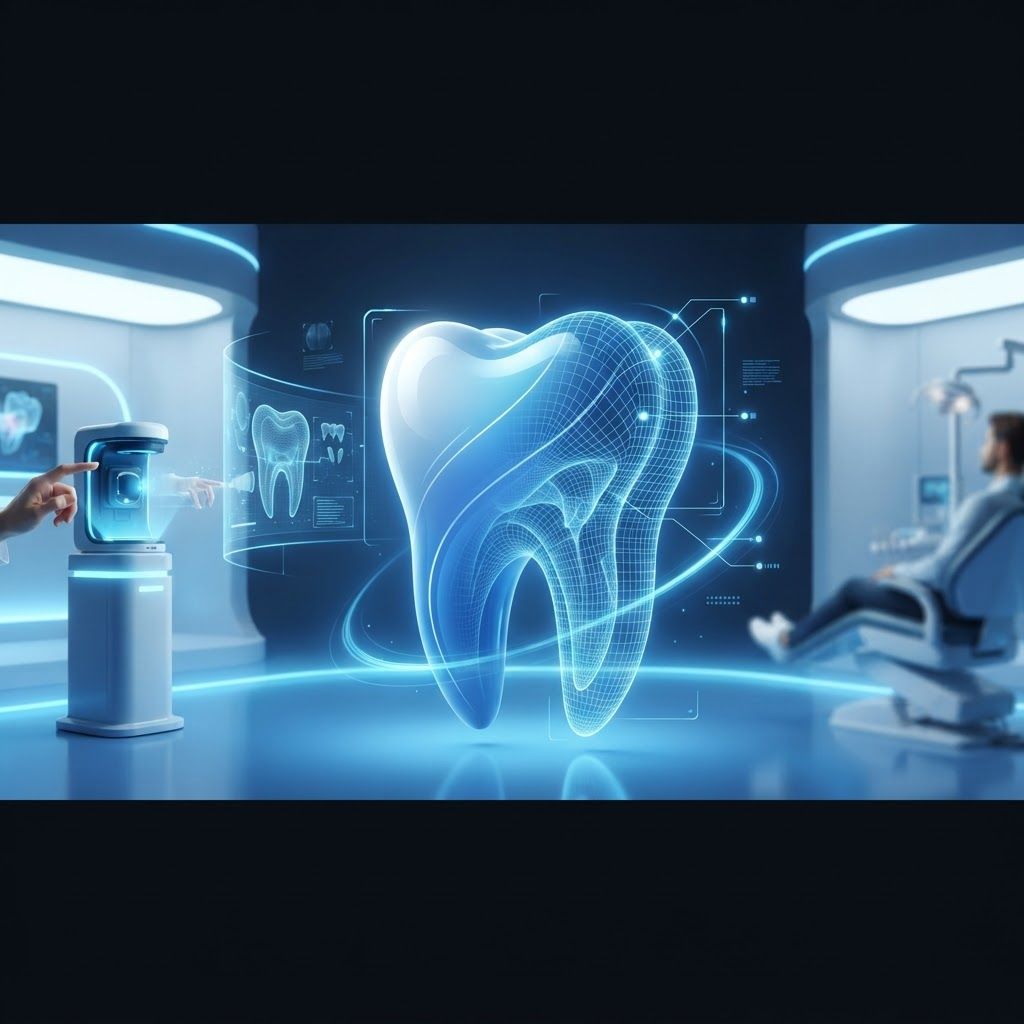
Digital dentistry is the dominant trend, with intraoral scanners replacing impression trays, chairside milling producing same-day crowns and 3D printing enabling rapid appliance manufacture. Preventive and minimally invasive philosophies are displacing older restorative approaches, prioritising enamel preservation. Membership plans, where patients pay monthly for routine care and treatment discounts, have grown rapidly as a middle path between NHS and full private pricing.
Choosing a Dental Practice
Verify General Dental Council registration for every clinician, confirm Care Quality Commission registration for the practice, and request written treatment plans with itemised costs before agreeing to work. For cosmetic or implant treatment, ask specifically about the clinician's training, case numbers and what happens if a restoration fails. A practice that welcomes those questions is almost always the right choice.
Want your brand featured in front of decision-makers? Publish a guest post or get a link insertion in our guides through AAMAX's guest post and link insertion service.
Helpful Links
 SponsoredAAMAX — Full-Service Digital Agency
Write for Us
Share your expertise with our readers. We welcome guest contributions from industry specialists.
Pitch your idea