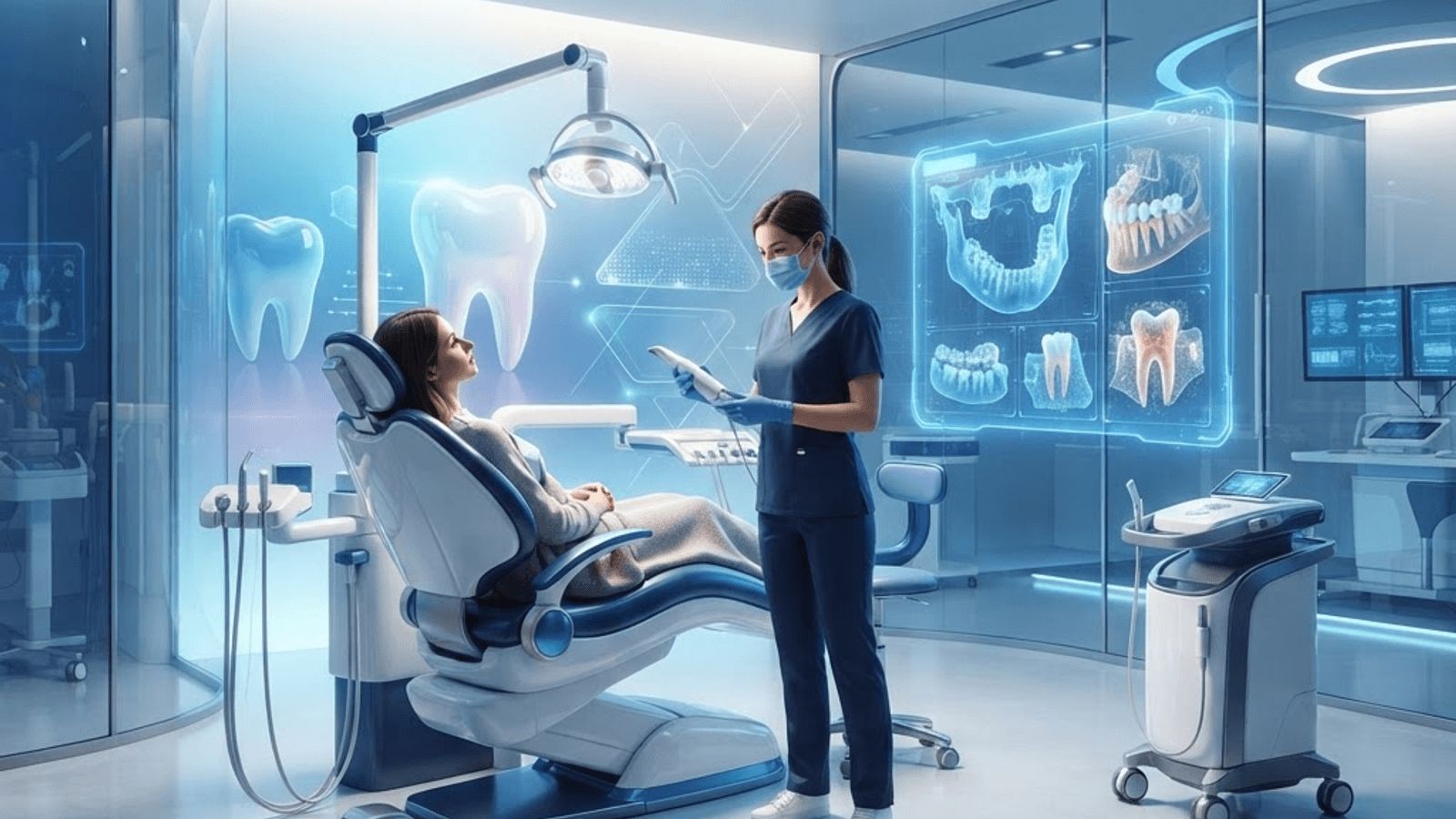
A Borough With Exceptional Dental Depth
Hammersmith and Fulham has one of the most competitive dental markets in London. Fulham Road, New Kings Road, Hammersmith Broadway, Parsons Green and Shepherd's Bush each support multiple practices, ranging from long-established family surgeries offering NHS treatment to high-specification private studios focused on implants, orthodontics and aesthetic dentistry. The borough's demographic profile explains the concentration: a large population of young professionals with disposable income, high aesthetic expectations and a willingness to invest in preventive and cosmetic care.
For residents, this creates real choice but also genuine confusion. Practices market themselves with overlapping language, and the difference between a competent general practice and a genuinely advanced clinic is not always visible from the outside. Understanding what actually differentiates dental providers, particularly in clinical governance, technology and treatment planning, makes the decision far more straightforward.
How Dental Care Is Organised Locally
NHS dentistry in the borough operates through contracted practices offering treatment across three banded charge levels covering examination and prevention, restorative work such as fillings and extractions, and complex treatment including crowns, bridges and dentures. Access to new NHS registrations has been constrained across London for several years, so residents seeking NHS care should enquire directly rather than assume availability.
Private dentistry dominates the borough's higher end. Practices commonly operate membership plans through providers such as Denplan or Practice Plan, spreading the cost of routine examinations and hygiene appointments across monthly payments. Larger corporate groups with a presence in or near the borough include Bupa Dental Care, Rodericks Dental Partners, Portman Dental Care, Dentex and mydentist, each bringing standardised clinical protocols, cross-referral to specialists and structured continuing professional development. Specialist and boutique names associated with West and Central London high-end dentistry include Marylebone-based and Chelsea-based referral practices that borough residents frequently use for implantology, endodontics and orthodontics.
Ten Dental Providers Worth Considering
A practical shortlist for the borough would include Bupa Dental Care for consistent multi-site access and insurer integration, mydentist for broad NHS and private availability, Rodericks Dental Partners and Portman Dental Care for well-equipped private practices with specialist referral pathways, Dentex-affiliated clinics for clinician-led private care, the established independent family practices along Fulham Road and New Kings Road for continuity and personal service, Parsons Green and Shepherd's Bush neighbourhood surgeries for convenience and family-friendly scheduling, dedicated orthodontic providers offering clear aligner treatment such as Invisalign-certified practices, implant-focused clinics with in-house CBCT imaging and guided surgery capability, hygienist-led preventive practices for periodontal maintenance, and emergency dental services offering same-day access for acute pain and trauma.
Technology That Genuinely Changes Outcomes
Digital intraoral scanning has replaced conventional impressions in most advanced practices. Beyond comfort, scanning improves accuracy for crowns, aligners and implant restorations and allows patients to see their own dentition in detail during planning conversations. Cone beam computed tomography, a low-dose three-dimensional imaging technique, is now considered standard for implant planning and complex root canal assessment, and its presence on site is a reasonable proxy for clinical seriousness.
Clear aligner orthodontics has transformed adult treatment uptake, which matters in a borough where a high proportion of patients are professionals unwilling to wear fixed appliances. Digital treatment planning allows outcomes to be simulated before commitment. Chairside milling and three-dimensional printing enable same-visit restorations in some practices, reducing appointments considerably.
Equally important, though less visible, is preventive technology and protocol. Practices that invest in structured periodontal assessment, air polishing, fluoride and remineralisation programmes and dietary counselling reduce the need for restorative intervention over a lifetime. Prevention remains the most cost-effective dentistry available.
Trends in the Local Market
Aesthetic dentistry continues to grow strongly, driven by video calls, social media and a general normalisation of tooth whitening, composite bonding and ceramic veneers. A responsible practice will discuss the irreversibility of enamel reduction and offer additive alternatives where clinically appropriate, and residents should be wary of any provider that treats veneers as a default answer.
Facial aesthetics offered alongside dentistry has also expanded, with dentists well placed anatomically to deliver injectable treatments. Regulation in this space has tightened, and patients should confirm practitioner qualifications and indemnity.
Finally, membership and subscription models have become the dominant private payment structure. They improve attendance at preventive appointments, which is clinically beneficial, but residents should read what is actually included, particularly regarding restorative work, radiographs and emergency cover.
Choosing a Practice
Begin with the examination. A thorough new-patient appointment should include soft tissue and oral cancer screening, periodontal charting with pocket depth recording, occlusal assessment, radiographs where justified and a written treatment plan with costs. If any of these are absent, the practice is not examining comprehensively.
Ask how the practice handles complexity. Does it refer to specialists for surgical extractions, implants and endodontics, or attempt everything in house regardless of experience? Referral is a sign of good judgment rather than limitation. Confirm out-of-hours arrangements, since dental pain does not respect opening hours, and establish whether hygienist appointments are available at the frequency your gum health requires.
For families, check paediatric familiarity and whether the practice offers fluoride varnish and fissure sealants. For anxious patients, ask specifically about sedation options and appointment pacing, as some borough practices have particular expertise in nervous patient management.
Final Thoughts
Dental care in Hammersmith and Fulham ranges from accessible NHS and family practices to some of the most technologically advanced private studios in London. The determining factors in a good outcome are the thoroughness of assessment, the honesty of treatment planning and the strength of preventive protocol rather than the polish of the waiting room. Residents who evaluate practices on those grounds, and who commit to regular hygiene maintenance, generally find they spend less on dentistry over a lifetime while keeping their own teeth considerably longer.
Want your brand featured in front of decision-makers? Publish a guest post or get a link insertion in our guides through AAMAX's guest post and link insertion service.
Helpful Links
 SponsoredAAMAX — Full-Service Digital Agency
Write for Us
Share your expertise with our readers. We welcome guest contributions from industry specialists.
Pitch your idea