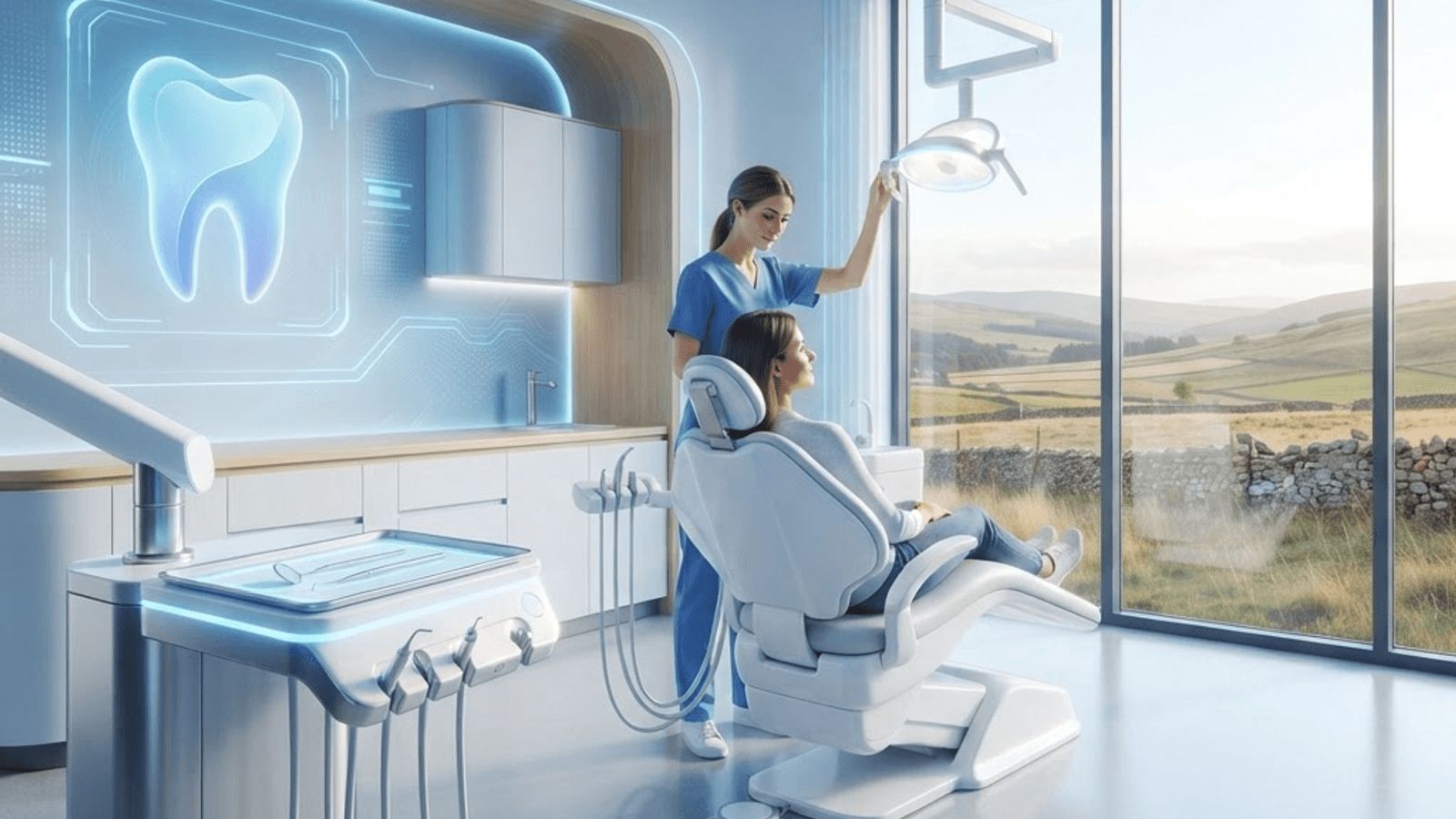
Dental Care in East Lothian Today
Dentistry in Scotland operates differently from other parts of the United Kingdom, with its own NHS arrangements and charging structures. Children and certain other groups receive NHS dental care without charge, while adults pay a proportion of costs for NHS treatment. Many practices offer both NHS and private options, and understanding the distinction helps considerably when choosing where to register.
Access has become a live issue across Scotland. NHS dental registration has tightened in many areas, with practices limiting new patient intake. East Lothian residents have generally fared better than some regions, but availability varies between towns and it pays to enquire widely rather than assume.
What Modern Dentistry Involves
Routine care still centres on examination, cleaning and prevention, but the range of available treatment has expanded enormously. Digital radiography produces images with lower radiation exposure. Intraoral scanners have largely replaced uncomfortable impression materials. Computer-aided design and manufacturing allow crowns to be produced in a single visit at some practices.
Preventive dentistry has rightly taken priority. Fluoride application, fissure sealants for children, dietary advice and oral hygiene instruction prevent far more suffering than any restorative technique. Practices that invest in prevention deliver better long-term outcomes for their patients.
Cosmetic dentistry has grown substantially, covering whitening, veneers, orthodontic alignment and implant restoration. Demand has risen notably, though reputable practitioners emphasise health before appearance and decline treatments that would compromise sound tooth structure unnecessarily.
The Top 10 Dental Clinics in East Lothian
1. Haddington Dental Practice serves the county town with combined NHS and private provision, offering general dentistry alongside hygienist services and a well-established preventive programme for children.
2. Musselburgh Family Dental focuses on family care across all ages, with practitioners experienced in treating anxious patients and young children requiring a gentle introduction to dentistry.
3. North Berwick Dental Studio offers a private practice environment with emphasis on cosmetic and restorative work, including implant placement and full-mouth rehabilitation.
4. Dunbar Coastal Dentistry provides general dental services to the eastern communities, with evening appointments that suit working patients unable to attend during the day.
5. Tranent Community Dental maintains substantial NHS provision, serving a large local population with routine and emergency dental care.
6. Gullane Orthodontic Centre specialises in tooth alignment for children and adults, offering both conventional fixed appliances and clear aligner systems.
7. Tyne Valley Oral Surgery handles referrals for surgical extractions, implant placement and other procedures beyond the scope of general practice.
8. Prestonpans Dental Health combines general dentistry with a strong hygienist-led periodontal programme, addressing gum disease that remains a leading cause of tooth loss.
9. East Lothian Emergency Dental Service provides urgent care for pain, trauma and acute infection, including arrangements for patients not registered with a local practice.
10. Aberlady Sedation Dentistry treats severely anxious patients using sedation techniques, enabling care for people who would otherwise avoid dentistry entirely.
Trends in Dental Practice
Digital workflows have transformed laboratory work, with scans transmitted electronically and restorations manufactured to precise specifications. Fit quality has improved and turnaround times shortened.
Minimally invasive approaches have replaced older philosophies of extensive preparation. Modern adhesive materials allow smaller restorations that preserve more natural tooth, improving long-term prognosis.
Clear aligner orthodontics has expanded adult treatment considerably, though professional bodies stress the importance of proper clinical supervision rather than remote arrangements without examination.
Awareness of the links between oral health and general health continues to grow, particularly regarding gum disease, cardiovascular disease and diabetes. Dentists increasingly discuss these connections with patients.
Choosing a Dental Practice
Check availability first, asking specifically whether NHS registration is open if that matters to you. Policies change, so enquire directly rather than relying on outdated information.
Consider practical factors including location, parking, opening hours and emergency arrangements. A practice you can reach easily is one you will actually attend.
Ask about the approach to prevention. Practices that allocate proper time to hygienist appointments and preventive advice tend to deliver better long-term results than those focused mainly on treatment.
Discuss costs transparently before treatment. Reputable practices provide written estimates and explain the differences between NHS and private options without pressure.
Trust your impression of the environment and staff. Dental anxiety is extremely common, and a practice where you feel comfortable is one you will attend regularly rather than avoid until problems become serious.
Prioritising Oral Health
Regular dental attendance remains one of the most effective health investments available. Problems detected early are simpler, cheaper and less uncomfortable to treat than those left until they cause pain.
East Lothian offers a reasonable spread of dental provision across its towns, combining NHS access with private options and specialist referral pathways. Registering with a practice and attending as recommended is straightforward, and the alternative rarely ends well.
Caring for Your Teeth Between Visits
Professional care accounts for only a small fraction of oral health outcomes. What happens daily at home determines far more. Brushing twice a day with fluoride toothpaste, spitting rather than rinsing afterwards so the fluoride remains in contact with the enamel, and cleaning between teeth with floss or interdental brushes cover the essentials.
Diet plays an equally important role, and the frequency of sugar intake matters more than the total quantity. Each exposure triggers a period of acid attack on enamel, so grazing on sweet snacks throughout the day causes more damage than the same amount consumed at once.
Children benefit particularly from established routines. Supervised brushing until around age seven, avoiding sugary drinks in bottles and early introduction to the dental practice all reduce the likelihood of problems requiring treatment later.
Smoking and heavy alcohol consumption significantly increase risks of gum disease and oral cancer. Dentists routinely screen for early signs during examination, which is another reason regular attendance matters even when nothing feels wrong.
Want your brand featured in front of decision-makers? Publish a guest post or get a link insertion in our guides through AAMAX's guest post and link insertion service.
Helpful Links
 SponsoredAAMAX — Full-Service Digital Agency
Write for Us
Share your expertise with our readers. We welcome guest contributions from industry specialists.
Pitch your idea