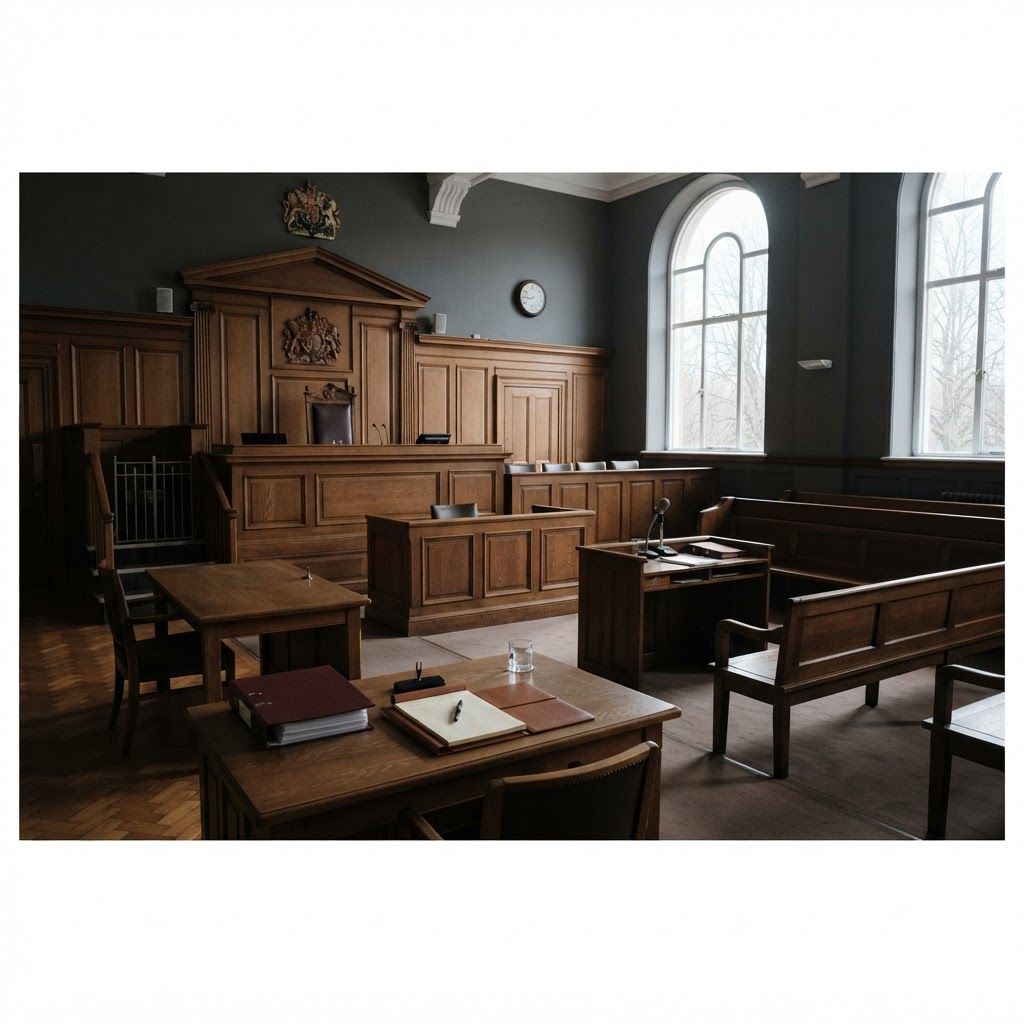
Criminal Defence in Barnsley: The Practical Reality
Criminal law is the area where the consequences of poor representation are most immediate and most severe. A criminal conviction can affect employment, professional registration, travel, immigration status and family life for years. In Barnsley, cases typically begin with police involvement in the town or surrounding districts and progress through the magistrates' court, with more serious matters committed to the Crown Court.
The single most important point about criminal defence is timing. The right to free and independent legal advice at a police station applies to everyone, regardless of means, at any hour. That advice is available before and during interview, and it is the stage at which a case is most often shaped. Accounts given in interview become evidence, and the decision whether to answer questions, provide a prepared statement or remain silent carries significant consequences that require professional input.
How Criminal Proceedings Progress
Most cases begin with arrest or a voluntary interview under caution. A voluntary interview carries the same legal weight as one following arrest, and the same right to representation applies. Following interview, police may release without charge, release under investigation, issue a caution, or charge and bail the individual to court.
Cases then divide by seriousness. Summary offences are tried in the magistrates' court. Indictable-only offences go to the Crown Court before a judge and jury. Either-way offences can be heard in either venue, and the choice involves genuine tactical considerations around sentencing powers and trial process that a defence solicitor will advise on.
At court, a defendant enters a plea. A guilty plea entered at the earliest opportunity attracts a greater reduction in sentence, which is a substantial factor. A not guilty plea leads to case management directions, service of prosecution evidence, defence statements, and eventually trial. Throughout, defence work involves scrutinising disclosure, challenging admissibility, identifying procedural failures and instructing experts where needed.
Sentencing follows guidelines that assess culpability and harm, then apply aggravating and mitigating factors. Effective mitigation, supported by evidence of personal circumstances, rehabilitation efforts and character, materially affects outcomes.
Ten Criminal Defence Practices Serving Barnsley
1. Cudworth Criminal Defence — A dedicated criminal practice offering twenty-four hour police station attendance, magistrates' court advocacy and Crown Court representation. They handle the full range of offences including violence, dishonesty, drugs and public order matters. Their duty solicitor presence and out-of-hours availability make them a common first call.
2. Barnsley Crown Court Advocates — Focused on serious and complex Crown Court work including trials for violence, sexual offences, serious drugs matters and organised crime allegations. They maintain strong relationships with specialist counsel and instruct forensic, medical and digital experts where the evidence requires challenge.
3. Dearne Valley Criminal Law — A well-established practice serving the eastern communities, handling magistrates' court work, youth court proceedings and appeals. Their youth justice work is notable, with solicitors experienced in the distinct procedures and welfare considerations applying to defendants under eighteen.
4. Oakwell Motoring Offence Defence — Specialists in road traffic law covering drink and drug driving, speeding, careless and dangerous driving, failure to provide specimens and totting-up disqualification. They frequently argue exceptional hardship to avoid disqualification and challenge procedural failures in evidential breath testing.
5. Penistone Road Fraud & Financial Crime — Handling allegations of fraud, false accounting, money laundering, benefit fraud and business-related offences. This work is document-intensive, and their strength lies in forensic analysis of financial records and effective challenge to prosecution expert evidence.
6. Stairfoot Police Station Representation — Concentrating on the investigative stage, providing accredited representatives and solicitors for interviews under caution, identification procedures and bail representations. Their emphasis on early intervention frequently results in cases concluding without charge, which is the best possible outcome for a client.
7. Barnsley Youth Justice Defence — Dedicated to representing children and young people in the youth court and, where necessary, the Crown Court. They work with youth offending services, education providers and families to construct alternatives to custodial disposal and to address underlying causes of offending.
8. Wombwell Appeals & Case Review — Focused on appeals against conviction and sentence, applications to the Crown Court and Court of Appeal, and reviews of potentially unsafe convictions. They also handle applications relating to confiscation proceedings and restraint orders under proceeds of crime legislation.
9. Yorkshire Regulatory & Professional Defence — Defending individuals and businesses facing regulatory prosecution including health and safety offences, environmental breaches, food safety matters, licensing prosecutions and trading standards allegations. They also represent professionals facing disciplinary proceedings alongside criminal charges.
10. Barnsley Legal Aid Criminal Team — Maintaining criminal legal aid contracts and providing representation for eligible clients through the means and interests of justice tests. Their continued legal aid provision is significant given pressures on publicly funded criminal defence, and they also offer competitive private rates.
Trends in Criminal Defence
Digital evidence now dominates many cases. Mobile phone data, messaging applications, cell site analysis, vehicle telematics, doorbell and body-worn camera footage and social media records feature routinely. Defence practices increasingly need capability to interrogate this material properly, since volume alone can obscure exculpatory content.
Court backlogs remain a serious issue, with Crown Court trials sometimes listed many months after charge. This affects defendants on bail and in custody alike, and it has increased the importance of early case assessment and realistic advice on plea.
Disclosure continues to generate concern. Defence practitioners must actively pursue unused material rather than assume prosecution compliance, and failures in disclosure have led to significant case collapses nationally.
What to Do If You Are Arrested or Interviewed
Ask for a solicitor immediately and do not answer substantive questions until you have received advice. This applies equally to voluntary interviews. The right is free at the police station and requesting it carries no adverse inference.
Do not discuss the allegation with anyone other than your solicitor. Preserve any material that may assist, including messages, receipts, travel records and contact details of witnesses. Write down your recollection of events while it is fresh, but share it with your solicitor rather than others.
Attend all court and bail appointments without fail, since breach creates a separate offence and undermines credibility. Keep your solicitor informed of any change of address or circumstance.
Conclusion
Barnsley has capable criminal defence provision covering police station work, magistrates' and Crown Court advocacy, motoring and regulatory offences, youth justice and appeals. The decisive factor is engaging representation immediately, because the earliest stages of a case often determine its eventual outcome. Choose a practitioner with genuine experience in the relevant offence type and confirm their availability when you need it most.
Want your brand featured in front of decision-makers? Publish a guest post or get a link insertion in our guides through AAMAX's guest post and link insertion service.
Helpful Links
 SponsoredAAMAX — Full-Service Digital Agency
Write for Us
Share your expertise with our readers. We welcome guest contributions from industry specialists.
Pitch your idea