The Cosmetics Market in South Tyneside
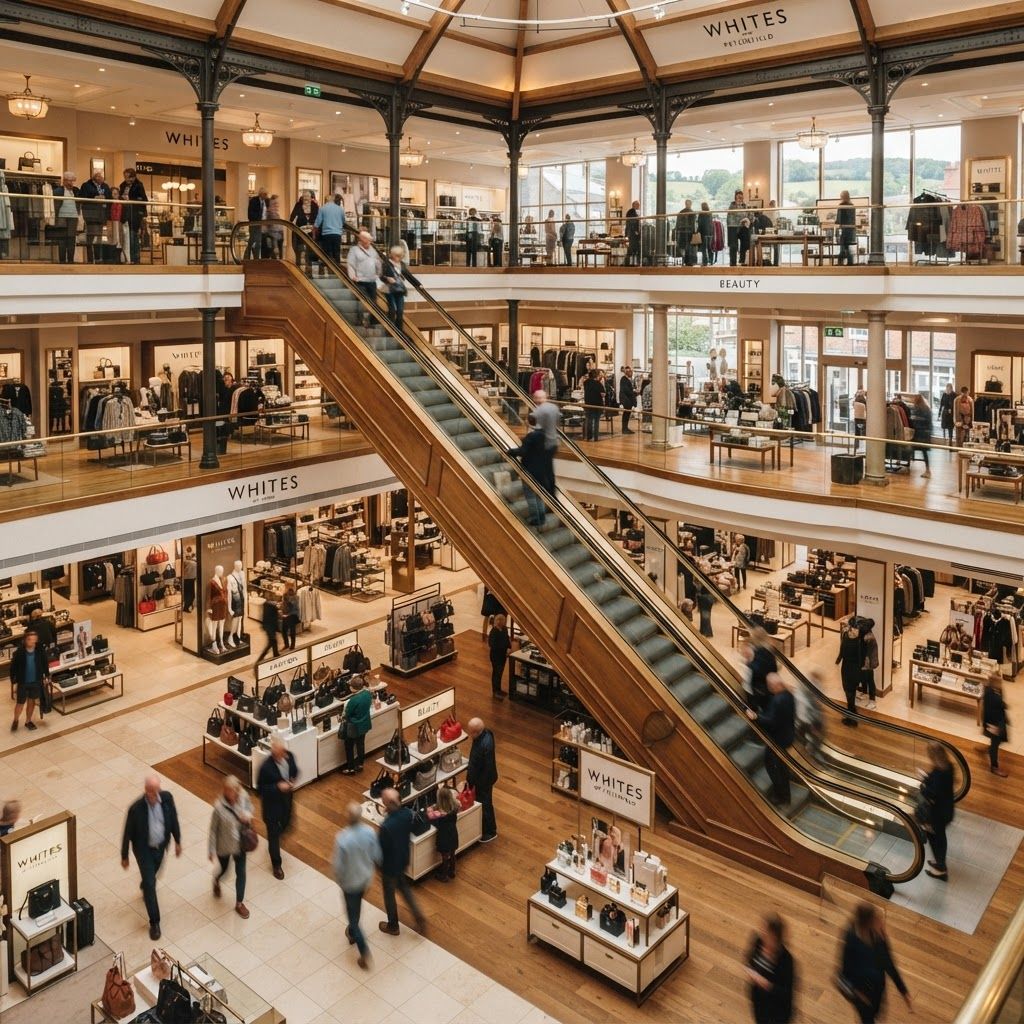
Cosmetics retail in South Tyneside spans several channels. Pharmacy chains and supermarkets in South Shields, Jarrow and Boldon carry mass-market brands. Beauty specialists and department store counters in Newcastle and the Metrocentre provide premium ranges with trained consultants. Independent salons and clinics across the borough stock professional skincare, and online retail supplies everything else, including brands with no physical presence in the region.
Local conditions shape what works. The North East coastal climate brings wind, salt air, cold winters and long periods of low humidity indoors from heating, all of which compromise the skin barrier. That makes hydration, barrier repair and broad-spectrum sun protection more important here than many people assume, and it explains why skincare-led cosmetics have grown so strongly in the region.
Ten Cosmetics Brands Worth Knowing
1. The Ordinary
This brand transformed the market by selling single active ingredients at transparent concentrations and low prices. Niacinamide, vitamin C derivatives, retinoids, hyaluronic acid and exfoliating acids are all available inexpensively, which allows a properly targeted routine on a modest budget. It requires a little learning, since combining actives incorrectly can irritate skin, but the value is exceptional.
2. CeraVe
Developed with dermatological input, CeraVe focuses on ceramides, hyaluronic acid and gentle cleansing. Its cleansers and moisturisers are widely recommended for compromised skin barriers, eczema-prone skin and post-treatment care. For anyone dealing with the dryness that a North East winter produces, it is a reliable foundation.
3. La Roche-Posay
A pharmacy skincare brand with strong dermatological credibility, La Roche-Posay is known for sensitive skin formulations, effective sunscreens and its acne and rosacea ranges. Its thermal spring water base and minimal fragrance approach make it a sensible choice for reactive skin.
4. Charlotte Tilbury
Founded by a British makeup artist, this brand combines skincare-informed formulas with colour cosmetics designed for real-world wear. Its complexion products, cream blushes and eyeshadow palettes are widely praised for flattering finishes, and the shade offering has broadened considerably. It is a popular choice for weddings and occasion makeup across the region.
5. Fenty Beauty
Fenty is credited with forcing an industry-wide expansion of foundation shade ranges. Beyond that legacy, its complexion products, highlighters and lip ranges are technically strong and perform well in humid and cold conditions alike. Its inclusivity remains a genuine differentiator rather than a marketing position.
6. NARS
NARS has a long-standing reputation for pigment quality in blushes, bronzers and lip products, and for foundations with reliable longevity. Its formulations tend to suit people who want buildable, professional-standard results, and its products are frequently used by makeup artists working in the region.
7. MAC Cosmetics
MAC remains a professional standard, particularly for lip colour, foundation range breadth and event makeup. Counter service with trained artists is valuable for anyone learning technique or matching a foundation shade accurately, which is difficult to do reliably online.
8. Rimmel and Maybelline
Mass-market brands available in every supermarket and pharmacy in the borough deliver strong performance at accessible prices. Mascaras, brow products, concealers and lip liners from these ranges frequently compete directly with premium equivalents, making them sensible choices for everyday use and for building a first makeup collection.
9. Lush
With a strong British ethical positioning, Lush focuses on handmade products, minimal or naked packaging, and vegetarian and vegan formulations. Its bath, haircare and skincare ranges appeal to shoppers prioritising packaging reduction and cruelty-free credentials, and its stores function as an experience as much as a shop.
10. Professional Salon and Clinic Skincare Ranges
Cosmeceutical brands sold through salons and aesthetic clinics across South Tyneside offer higher active concentrations under professional guidance. Because they are dispensed following consultation, they suit clients addressing specific concerns such as pigmentation, acne scarring or advanced ageing where a supervised regimen delivers better outcomes than self-selection.
Building an Effective Routine
Simplicity outperforms complexity. A gentle cleanser, a moisturiser suited to your skin type and a daily broad-spectrum sunscreen constitute a complete foundational routine. Sun protection matters year round in the North East, since ultraviolet A radiation, which drives photoageing, penetrates cloud cover and glass.
Actives should be introduced one at a time, at low concentration, every second or third night initially. Retinoids and exfoliating acids both increase sensitivity, so combining them aggressively causes the irritation that many people mistake for a product not working. Patch testing on the inner forearm for several days before facial use is a sensible precaution, particularly for anyone with reactive skin.
Reading Labels and Understanding Claims
Ingredient lists are ordered by concentration down to one percent, which gives a rough indication of formulation priorities. Terms such as natural, clean and chemical-free carry no regulatory definition and should not be treated as safety indicators. Conversely, dermatologically tested, non-comedogenic and hypoallergenic have limited standardisation and are best treated as guidance rather than guarantee.
Cosmetics sold in the United Kingdom must meet safety regulations including ingredient restrictions and a safety assessment, so buying from established retailers protects against counterfeit products, which are a genuine risk on unregulated online marketplaces.
Sustainability and Ethical Considerations
Packaging is the sector biggest environmental issue. Refillable compacts, solid formats such as shampoo bars, recyclable glass and aluminium, and takeback schemes for empties all reduce impact. Cruelty-free certification, palm oil sourcing and microplastic-free formulations are increasingly common purchase criteria, and several of the brands above have made measurable commitments in these areas.
Final Thoughts
Cosmetics shoppers in South Tyneside have access to the full spectrum, from inexpensive single-ingredient actives to professional clinic ranges and artist-led colour cosmetics. The most effective approach is to build a simple, barrier-supportive skincare base suited to the local climate, add targeted actives cautiously, and treat colour cosmetics as the enjoyable layer on top rather than a substitute for skin health.
Want your brand featured in front of decision-makers? Publish a guest post or get a link insertion in our guides through AAMAX's guest post and link insertion service.
Helpful Links
 SponsoredAAMAX — Full-Service Digital Agency
Write for Us
Share your expertise with our readers. We welcome guest contributions from industry specialists.
Pitch your idea