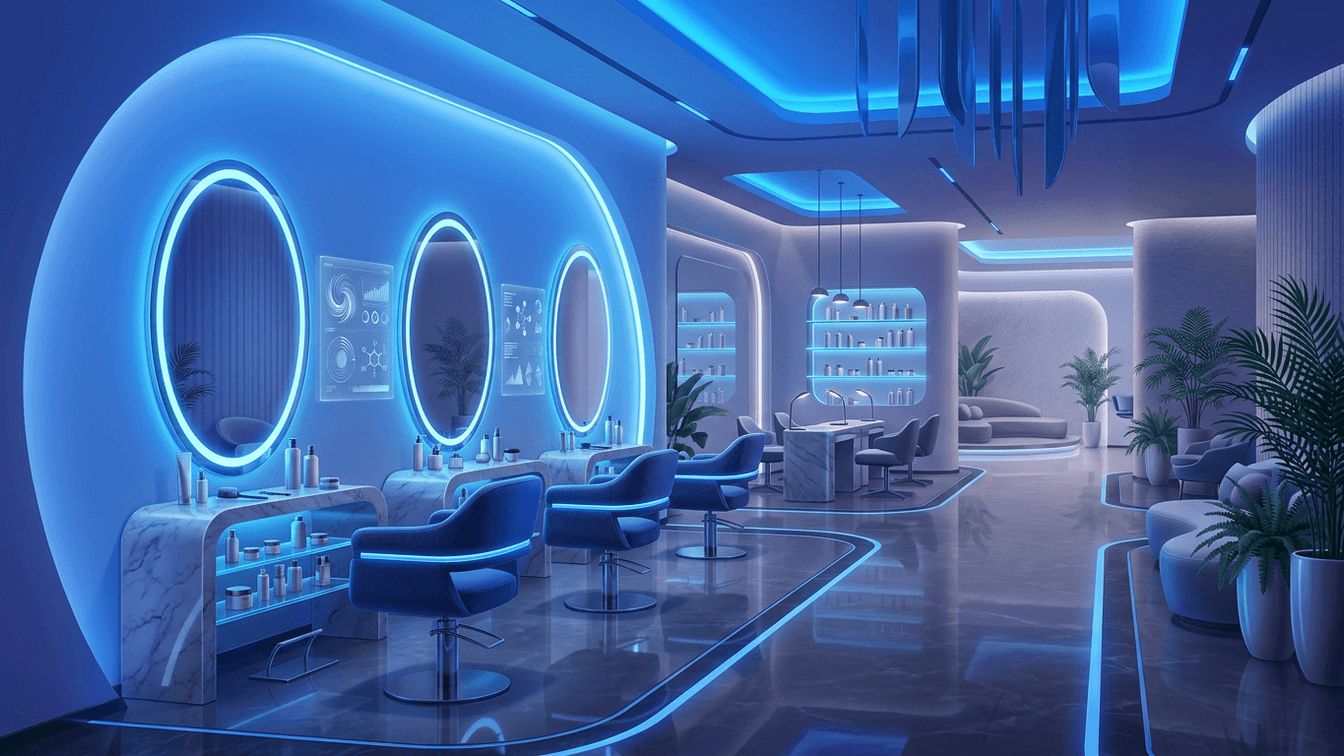
The Aesthetic Sector in Thurrock
Cosmetic treatment in the United Kingdom has changed shape dramatically over the past decade. Surgical procedures have grown steadily, but non-surgical treatments have exploded, and Essex has been at the centre of that cultural shift. Thurrock, with its strong retail corridors, young demographic profile and easy connections into London, has developed a busy aesthetic market spanning full surgical providers, doctor-led injectable clinics, advanced skin and laser centres and medical aesthetic practices attached to dental or general medical settings.
That growth brings both opportunity and risk. Cosmetic surgery in this country is tightly regulated, requiring registered surgeons operating in inspected facilities. Non-surgical treatment has historically been far less controlled, which is precisely why understanding qualifications and regulation matters more here than in almost any other area of consumer healthcare.
Surgical Versus Non-Surgical: Knowing the Difference
Surgical procedures include breast augmentation, reduction and uplift, abdominoplasty, liposuction, rhinoplasty, blepharoplasty, facelift and gynaecomastia correction. These require a consultant plastic or cosmetic surgeon with recognised specialist registration, a properly equipped and inspected surgical facility, anaesthetic support and structured aftercare. Recovery is measured in weeks, results are long lasting, and risk is real and must be discussed honestly.
Non-surgical treatment covers botulinum toxin injections, dermal fillers, skin boosters, chemical peels, microneedling, laser hair removal, laser resurfacing, radiofrequency skin tightening, thread lifts and body contouring devices. Downtime is minimal, results are typically temporary, and cost per treatment is far lower. The critical point is that these are still medical procedures. Injectables in particular can cause vascular occlusion, tissue necrosis, infection and blindness in rare cases, which is why practitioner qualification and access to emergency management drugs matter enormously.
A third category, medical skin care, sits alongside both. Prescription-strength treatment for acne, rosacea, pigmentation, scarring and ageing skin often delivers better long-term results than one-off procedures, and the best clinics build treatment plans rather than selling isolated appointments.
The Top 10 Best Cosmetic Surgery Clinics in Thurrock
1. Transform is one of the longest established cosmetic surgery names in the United Kingdom, offering the full surgical range alongside non-surgical treatments through consultant-led pathways. Its strengths are structured consultation processes, patient coordinators who guide clients through decision-making, and well-defined aftercare protocols, all backed by significant procedural volume.
2. The Harley Medical Group brings decades of experience and a similarly comprehensive surgical portfolio accessible to Thurrock residents. It is known for thorough pre-operative assessment, clear cooling-off periods before surgery and detailed discussion of realistic outcomes, which are hallmarks of responsible practice in this sector.
3. Nuffield Health approaches cosmetic surgery from a clinical rather than commercial direction, delivering procedures within a broader private healthcare environment with strong governance, consultant expertise and integrated recovery support. For patients who prioritise clinical setting and safety infrastructure above all, this model is highly reassuring.
4. Sk:n Clinics is a leading name in medical skin treatment, specialising in laser hair removal, acne and acne scarring, pigmentation, thread veins, mole assessment and skin resurfacing. Its dermatologist and nurse-led approach and consistent treatment protocols across locations make it a dependable choice for skin conditions rather than purely cosmetic enhancement.
5. Essex Aesthetics Clinic represents the doctor-led injectable clinic model that now dominates non-surgical treatment. Botulinum toxin, dermal fillers, skin boosters and profile balancing delivered by medically qualified prescribers, with proper facial assessment and access to reversal agents, is the safest way to access these treatments.
6. Grays Cosmetic and Skin Clinic serves the borough centre with a combination of injectables, chemical peels, microneedling and medical grade skincare. Clinics of this scale often provide the most personalised service, with the same practitioner managing your treatment plan over years and adjusting it as skin changes.
7. Lakeside Medical Aesthetics benefits from the accessibility of the retail district, offering convenient consultations and treatments for a client base that includes many working professionals. Advanced device-based treatments such as radiofrequency microneedling and laser resurfacing typically feature alongside injectable services.
8. Chafford Skin and Laser Studio focuses on technology-led skin improvement, including laser hair removal, pigmentation treatment, vascular lesion management and non-ablative resurfacing. Device quality and operator training are the two variables that determine results in this category, so clinics investing in medical-grade platforms consistently outperform beauty salons using lower-powered equipment.
9. Thurrock Dental and Facial Aesthetics reflects a common and clinically sensible combination. Dentists possess exceptional knowledge of facial anatomy, and practices offering facial aesthetics alongside cosmetic dentistry can address the whole lower face, from smile design to lip balance and jawline definition, within one coherent plan.
10. Corringham Advanced Skin Therapy completes the list with a treatment-plan approach centred on skin health rather than dramatic intervention. Prescription skincare, gradual resurfacing programmes, hydration treatments and long-term maintenance suit clients who want visible improvement without the appearance of having had work done.
Trends Defining the Sector
The dominant trend is a move towards subtlety. Overfilled faces have fallen firmly out of fashion, replaced by demand for natural results, structural support, skin quality improvement and preventative treatment started earlier at lower doses. Practitioners increasingly refuse requests that would produce disproportionate outcomes, which is a healthy development.
Second, regulation is tightening. Growing consensus around licensing for non-surgical cosmetic procedures, restrictions on treatment of under-eighteens and stricter advertising standards are all moving the market towards medical accountability. Clients benefit by choosing practitioners already operating to those higher standards.
Third, skin health has overtaken volume as the primary focus. Polynucleotides, biostimulatory injectables, energy-based devices and clinical skincare all aim to improve tissue quality rather than simply add fullness, reflecting a better understanding of how faces actually age.
Fourth, psychological screening is being taken more seriously. Reputable clinics now assess motivation and expectation carefully, decline patients whose goals suggest body dysmorphic concerns, and insist on reflection periods before surgery. This is one of the clearest markers separating ethical providers from purely commercial ones.
How to Choose Safely
For surgery, verify that your surgeon holds specialist registration in plastic surgery and that the facility is independently inspected and registered. Ask how many times the surgeon performs your specific procedure each year, request to see their own before and after portfolio, and confirm who will manage complications and revisions, and at whose cost.
For non-surgical treatment, ask whether the practitioner is a doctor, dentist, nurse or pharmacist prescriber, what training they hold in the specific treatment, whether hyaluronidase is on site for filler emergencies, and what happens if something goes wrong. Insist on a consultation separate from treatment, refuse pressure to decide immediately, and be deeply sceptical of heavy discounting, package deals and treatment at non-clinical venues.
Final Thoughts
Thurrock residents have access to a genuinely wide spectrum of cosmetic provision, from established national surgical groups and clinically governed private hospitals to doctor-led injectable clinics, medical skin specialists and device-based studios. The most important decision is not which treatment to have but who performs it. Prioritise qualification, facility standards, honest consultation and complication management over price and convenience, and treat any clinic willing to operate without proper assessment as a reason to walk away.
Want your brand featured in front of decision-makers? Publish a guest post or get a link insertion in our guides through AAMAX's guest post and link insertion service.
Helpful Links
 SponsoredAAMAX — Full-Service Digital Agency
Write for Us
Share your expertise with our readers. We welcome guest contributions from industry specialists.
Pitch your idea