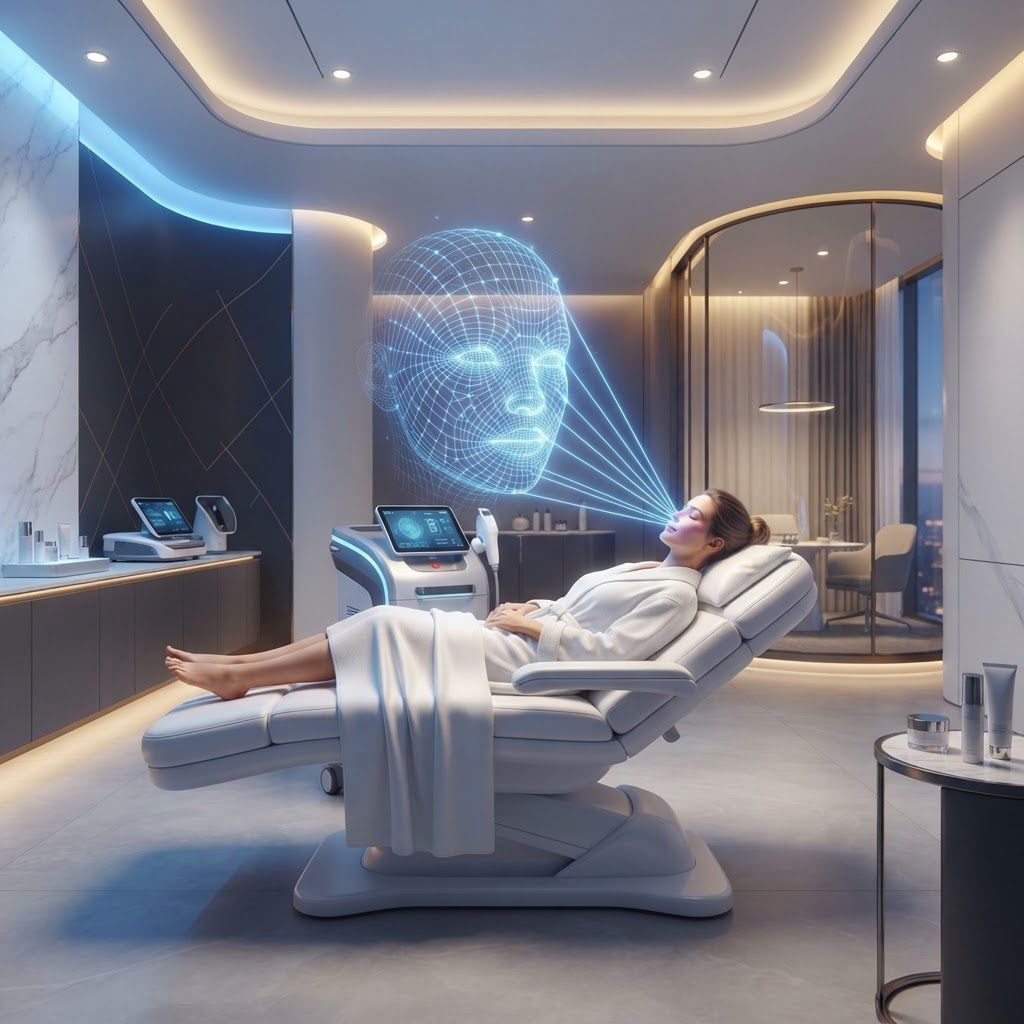
The Aesthetic Sector in South Tyneside
Demand for cosmetic and aesthetic treatment across the North East has grown substantially over the past decade, driven by wider social acceptance, improved non-surgical technology and greater price transparency. South Tyneside residents access this market through a mix of local aesthetic clinics in South Shields and the surrounding towns, and surgical hospitals in Newcastle, Gateshead and Sunderland where operating facilities and consultant surgeons are based.
The critical thing for any prospective patient to understand is the regulatory divide. Surgical procedures must take place in facilities registered with the Care Quality Commission, performed by surgeons on the General Medical Council specialist register. Non-surgical treatments such as injectables occupy a far less regulated space, which is precisely where most avoidable harm occurs. Choosing a medically qualified practitioner is the single most important safety decision.
Private Surgical Hospitals
Private hospitals in the wider Tyne and Wear area provide the operating theatres, anaesthetic teams, overnight facilities and post-operative care required for cosmetic surgery. These CQC-registered facilities host consultant plastic surgeons who typically also hold NHS appointments. Procedures commonly performed include breast surgery, abdominoplasty, liposuction, rhinoplasty, blepharoplasty and facelift surgery.
Consultant Plastic Surgery Practices
Individual consultant plastic surgeons operate private practices serving South Tyneside patients, offering consultation locally and surgery at registered hospital sites. The most reliable indicator of quality is membership of the British Association of Aesthetic Plastic Surgeons or the British Association of Plastic, Reconstructive and Aesthetic Surgeons, combined with GMC specialist registration in plastic surgery.
Medical Aesthetics Clinics
Medical aesthetics clinics led by doctors, dentists or nurse prescribers provide botulinum toxin, dermal fillers, skin boosters, polynucleotides and profhilo treatments. Prescriber involvement is a legal requirement for toxin treatments, and clinics where a qualified prescriber conducts the face-to-face consultation operate to a materially higher standard than those relying on remote prescribing.
Advanced Skin and Dermatology Clinics
Skin-focused clinics deliver medical-grade chemical peels, microneedling, prescription skincare regimes and treatment for acne, rosacea, pigmentation and scarring. Where a consultant dermatologist is involved, patients also benefit from mole checking and skin cancer surveillance, which is a valuable secondary function given rising skin cancer incidence.
Laser Treatment Centres
Laser clinics provide hair removal, vascular lesion treatment, pigmentation correction, skin resurfacing and tattoo removal. Laser technology varies enormously in quality and suitability for different skin types, and patch testing plus proper Fitzpatrick skin typing are essential safety steps. Clinics registered with their local authority for laser use and operating with trained practitioners are the appropriate choice.
Body Contouring and Non-Surgical Fat Reduction
Non-surgical body treatments including cryolipolysis, radiofrequency, HIFU and injectable fat dissolving have expanded rapidly. Results are moderate rather than transformative, and reputable clinics are honest about this. Injectable fat dissolving in particular carries real risk when administered by untrained practitioners, and patients should be cautious about who performs it.
Hair Restoration Clinics
Hair transplant and restoration services covering FUE transplantation, PRP therapy and medical management serve growing demand across the North East. Quality varies substantially in this sector, and patients should insist on seeing the surgeon's own case results, understand exactly who will perform each stage of the procedure, and be wary of unusually low pricing that often signals overseas or technician-led work.
Cosmetic Dentistry and Facial Aesthetics
Many dental practices in South Tyneside now offer facial aesthetics alongside cosmetic dentistry, combining smile design with skin and injectable treatment. Dentists have strong anatomical knowledge of the facial region and are prescribers, which makes dental-led aesthetics a reasonable option provided the clinician has completed recognised aesthetic training.
Post-Weight-Loss and Reconstructive Services
The rise in bariatric surgery and pharmacological weight loss has increased demand for body contouring after significant weight reduction, including abdominoplasty, brachioplasty and thigh lift. Some of this work may be available through NHS pathways where there is documented functional or medical need, and exploring that route before committing to private surgery is sensible.
Aftercare and Complication Management Services
An often overlooked category, complication management services treat problems arising from previous treatment, including filler complications requiring dissolution, vascular occlusion, infection and unsatisfactory surgical outcomes. The existence of this sector underlines why choosing a practitioner with proper aftercare arrangements matters more than saving money at the point of treatment.
Regulatory Trends and Patient Safety
The regulatory environment is tightening. Botulinum toxin and filler treatment for under-eighteens is now prohibited, and a licensing scheme for non-surgical cosmetic procedures in England is progressing, which will bring practitioner standards and premises requirements into law. Industry registers including Save Face and the Joint Council for Cosmetic Practitioners provide accredited practitioner listings that patients can check independently.
Choosing Safely
Verify GMC, GDC or NMC registration for any practitioner. Insist on a face-to-face consultation with the person who will perform the treatment, a written treatment plan, a cooling-off period and clear documentation of risks. Ask specifically what happens if a complication occurs, who manages it and whether it is included in the price. Reputable practitioners decline unsuitable patients, and a willingness to say no is one of the strongest signals of professional integrity in this field.
Want your brand featured in front of decision-makers? Publish a guest post or get a link insertion in our guides through AAMAX's guest post and link insertion service.
Helpful Links
 SponsoredAAMAX — Full-Service Digital Agency
Write for Us
Share your expertise with our readers. We welcome guest contributions from industry specialists.
Pitch your idea